Why policy choices decide whether parking helps or hinders growth
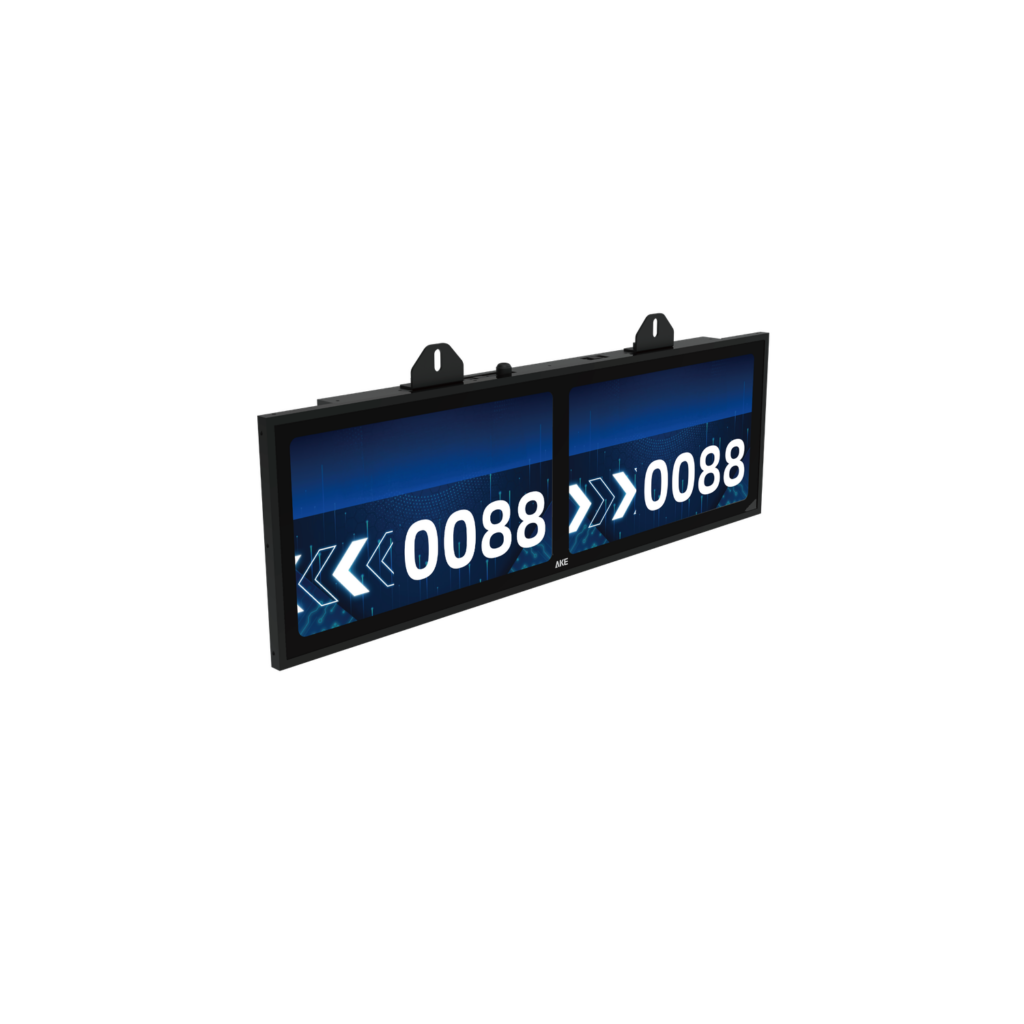
When local regulations set standards for data, visibility and enforcement, businesses get predictable capacity; when they don’t, parking becomes an unpredictable cost center. That’s why municipal procurement needs to favor systems that deliver clear, auditable signals — hardware that shows availability in real time and software that records who used which space when. A bright, readable car parking display is more than signage; it’s a policy instrument that translates regulation into daily behavior.

The problem: unmanaged parking throttles economic activity
Unchecked curb and lot access creates queues, frustrates customers and forces businesses to subsidize long stays. That friction reduces turnover for retailers, increases dwell time for deliveries and inflates operating costs for logistics hubs. Every dollar spent on avoidable congestion is a dollar not invested in growth. Policymakers who ignore how parking is monitored and priced often inherit stalled commerce and higher public enforcement bills.
Experience, evidence and a clear anchor
From working with municipal parking authorities and advising airport operators, I’ve seen the same pattern: visible guidance and accountable metrics change behavior. Academic and planning literature supports that approach — Donald Shoup’s finding that cruising for parking can account for up to 30% of urban traffic underscores the scale of the problem, and it explains why precise indicators like led parking lot signs matter to both citizens and regulators. Practical deployments that include rigorous installation standards, service contracts and transparent reporting consistently outperform improvised setups.
Policy levers that enable scalable business outcomes
Set clear device and data requirements in contracts: require standardized APIs for occupancy, enforce uptime SLAs for displays and mandate anonymized usage reporting. Tie permit and pricing rules to measurable metrics: dynamic pricing only when occupancy and turnover data meet audit thresholds. Encourage public-private data sharing so ride-hailing platforms and delivery fleets can route efficiently. These moves shift parking from an expense into a managed asset that supports higher throughput and predictable revenue.
Common mistakes that derail deployment
Buying lowest-cost hardware without a maintenance plan; treating displays as decorative rather than regulatory instruments; hoarding data in incompatible silos; and failing to define KPIs that align municipal goals with business needs. Fixes are simple: require lifecycle support in procurements, mandate open interfaces, publish occupancy and revenue KPIs, and assign a single accountable owner for data quality.
Comparing approaches: what scales and what stalls
Hardware-first rollouts that ignore software integrations create visible progress but fail on analytics. Software platforms without proven field-grade displays and sensors deliver analytics that lack credibility. Cloud-hosted systems with edge redundancy and standardized displays strike the balance: they give regulators real-time oversight and businesses reliable signals for operations. Choose platforms that publish compliance evidence and integration documentation rather than closed black boxes.
Where this leads: practical policy that lets business grow
Sound parking policy frames technical requirements and accountability so companies can invest with confidence. When devices and data are reliable, businesses increase turnover, reduce delivery delays and scale operations into new locations without hidden parking costs. Systems proven in regulated environments show that coordinated standards, enforceable service commitments and clear reporting produce measurable growth — an outcome shown in municipal pilots and commercial rollouts. That practical certainty is exactly what established providers such as AKE Parking deliver, blending visible guidance, enforceable service levels and compatible data pipelines so parking becomes a tool for growth rather than a barrier.