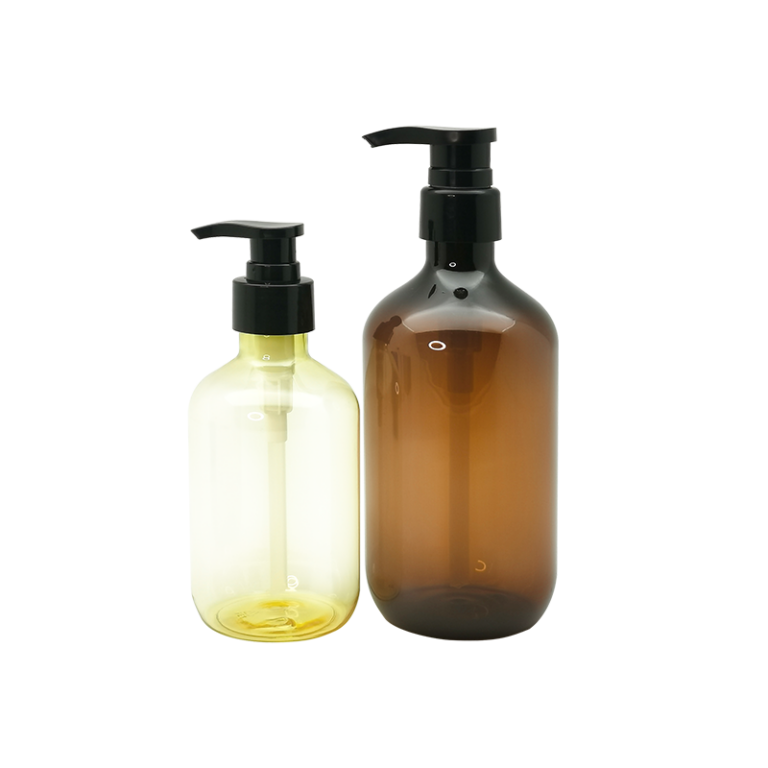
Introduction: The “Simple” Pump That Outsmarts Your Patience
Let’s be blunt: the quickest way to ruin a premium product is a cheap dispenser pretending to be clever. A pet pump bottle seems harmless on the counter—until it burps, leaks, or starves your hand cream at the worst moment. Picture the scene: you’re late, you press down, and the pump sighs like it did overtime. In field checks, brands report double-pumping rates above 25% with thick formulas, and user complaints spike when dose size drifts by more than 10%. And we still call it “just packaging”? The actuator geometry, spring grade, and viscosity play tug-of-war, while your patience pays the price. The irony is rich (and sticky): we obsess over formulas, then trust a 50-cent mechanism to deliver them with finesse. So what exactly is going wrong, and why do so many kits fail after a few weeks of use? Is it design, factory controls, or the myths we keep buying into?
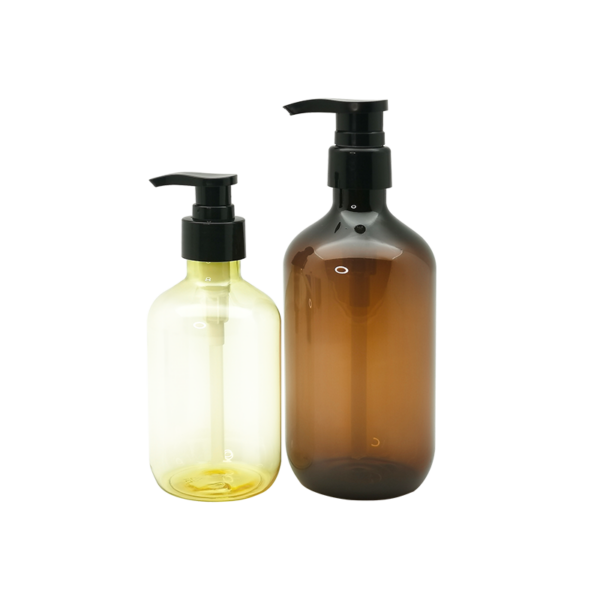
Here’s the rub: the problems are real, repeatable, and preventable—if you stop treating pumps like an afterthought. Let’s step past the glossy photos and go where the failures hide.
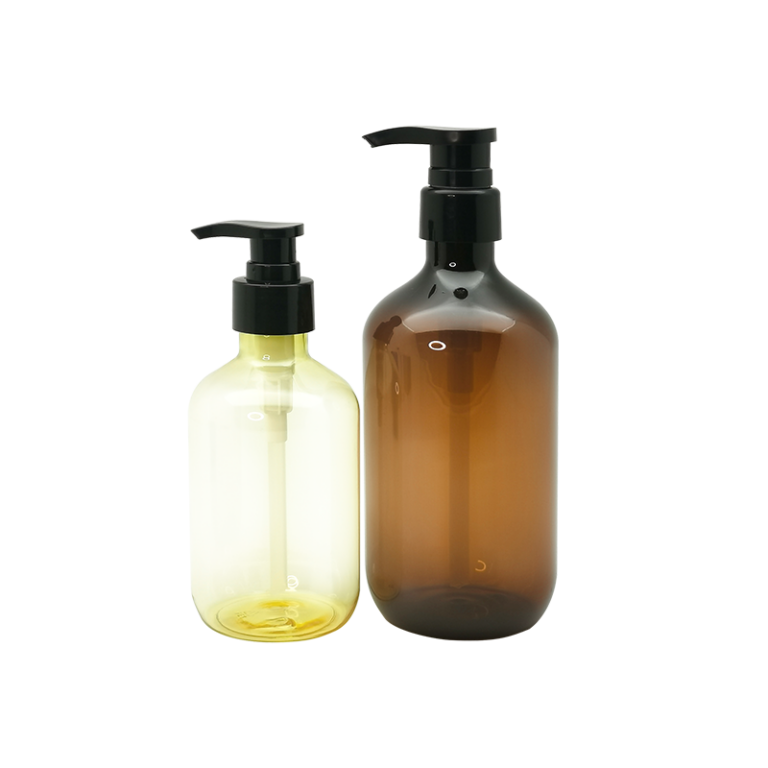
User Pain Points Your Supplier Brochure Forgot to Mention
Why do “simple” pumps fail?
Partnering with a pet pump bottle supplier sounds straightforward, but the pain shows up in use, not in quotes. Users meet three quiet failures first: inconsistent dosing, air ingress, and drift in closure torque. Thick serums need a tighter seal and a stronger return spring, yet the same head is often sold across three viscosities “for convenience.” That’s how dose variance creeps up. Inside the head, tolerance stack-up changes the travel path just enough to starve the chamber. Once air sneaks past the dip tube seat, priming takes more strokes, and satisfaction drops fast. Look, it’s simpler than you think: wrong spec, wrong result—no magic workaround.
Then there’s the match between bottle and pump. Threads look the same, but one turn too loose and you invite leaks. One turn too tight and stress cracks show up in transit. Users read that as “cheap,” when it’s actually preventable with better gauges and thread calibration. Marketing loves “universal fit”; engineering calls it risk. And internal parts? A flimsy backflow valve or uneven spring plating can corrode in humid bathrooms—funny how that works, right? When an actuator sticks after 2,000 cycles, the failure isn’t random; it’s a spec issue that QC never measured, or a test that never ran. The fix starts with usage profiles, not price grids.
Comparative Insight: What Better Engineering Looks Like Next
What’s Next
Let’s pivot to what actually improves the experience—and keeps returns down. New pump designs use tighter check-valve geometry and smoother bore finishes to cut priming time. Airless systems reduce backflow and oxygen exposure, which matters for active serums. On the materials side, mono-material pump heads simplify the recycle stream, and PET bodies with PCR content meet eco targets without killing clarity. Inside the factory, SPC and shot-weight monitoring tame variation at the source. If your chosen pet pump bottle factory can’t show control charts for key dimensions, you’re betting on luck. That’s not a strategy—unless your KPI is “oops.”
Compare two paths. Path A: legacy pump, “fits most,” minimal tests, nice price. Good until summer heat warps seals or thicker winter formulas stall at the dip tube. Path B: mapped viscosity range, verified dose accuracy, and torque windows validated across the cap, neck, and liner. Yes, Path B costs a bit more upfront, but it trades mystery for math. The result is fewer clogs, fewer leaks, and fewer customer support tickets—plus cleaner shelf life curves. Summing up the earlier mess: users hate double-pumping, drift, and sticky heads; you fix that with better valve design, real torque windows, and process controls that don’t blink. Advisory close, then: test what you intend to ship, not a kinder, gentler lab sample.
Before you choose, anchor on three metrics: 1) dose accuracy variance within ±5% across the bottle’s life, 2) leak rate after 24 hours inverted at 40°C under target closure torque, and 3) cycle life above 10,000 strokes with a high-viscosity test fluid. Measure these, and the rest follows. And if you want a name to hold to that bar without the noise, there’s NAVI Packaging.