You’re facing too many specs and promises
You want a bright, reliable sign that won’t fail on opening night or fade after a season; what you don’t need is jargon. Start by naming the real problem: durability, visibility, or follow-up service. If your project sits on a busy facade, consider an outdoor led screen now—planning around location solves many later headaches. Keep your goal simple: choose a supplier who gives data you can test and people you can reach.
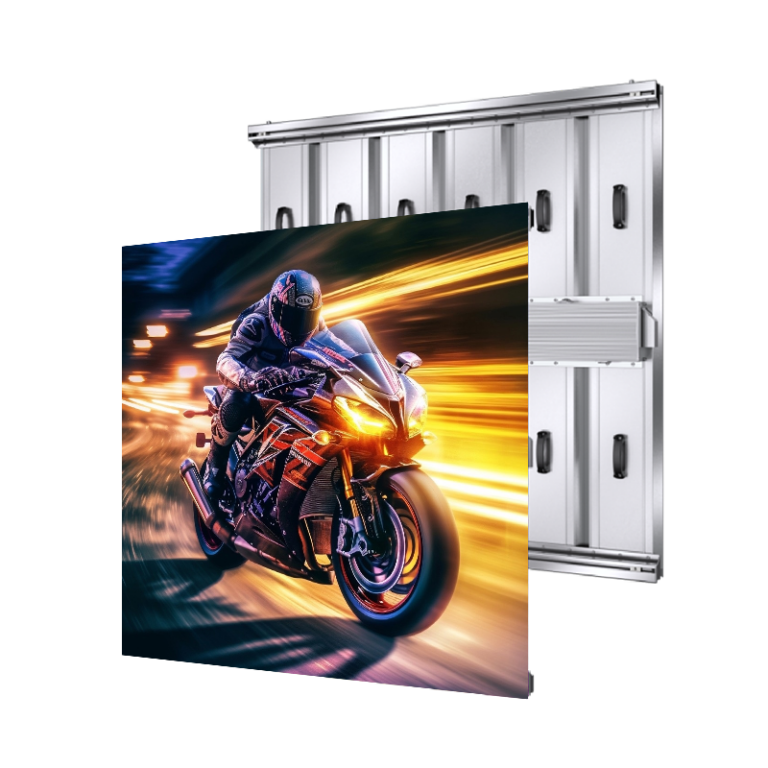
Diagnose what usually goes wrong
Bright but unreliable products, poor thermal design, and missing spare parts are the top failures I see. When a display dims after rain or shows color shifts under sunlight, the root is usually an inadequate enclosure rating, low-quality LEDs, or weak quality control. Treat claims about lifetime and brightness as hypotheses until you verify them with samples or site references.
Concrete criteria to compare
Compare these items directly and ask for proof: measured brightness (cd/m²), IP rating and corrosion resistance, typical pixel pitch for viewing distance, module serviceability, mean time between failures, and the warranty scope. Look for refresh rates in the thousands if cameras will film the display, and ask for power-consumption data at full white. Verify certifications (CE, RoHS, FCC) and ask for lab test reports rather than stickers.
What suppliers often gloss over
They focus on selling pixels, not support. Don’t accept vague delivery windows, unclear spare-parts lists, or “on-demand” calibration promises. Neglecting mounting, cabling, and ventilation adds cost later. Don’t pick a supplier solely on the lowest quote; price without verified performance is a bet you might lose.
Real experience and one clear anchor
I’ve specified LED systems for retail façades and stadia for over a decade, and that hands-on work taught me to demand site-specific tests and robust service contracts. Big projects teach the same lesson: look at real installations—like the high-visibility billboards in Times Square, New York City—where sustained brightness and weatherproofing are non-negotiable, and where lessons from large deployments directly apply when choosing outdoor led screen panels. Supplier credibility shows up in detailed test results and repeatable installations.
How to test supplier claims before you commit
Ask for a working sample or local demo, review burn-in and IP test reports, and require contactable references who had installations at least two years old. Inspect the service plan: spare-module availability, lead times, remote diagnostics, and training for your technicians. If a supplier resists these requests, that’s a red flag.
Alternatives and trade-offs you should weigh
Rental LED vendors simplify temporary needs but often don’t offer the same ruggedness as fixed installations. High pixel density looks great close up but costs more and demands stricter thermal management. DIP modules can be cheaper outdoors, but modern SMD designs usually deliver better viewing angles and color consistency. Choose based on where viewers stand and how long you need the display to last.

Simple procurement checklist to use right now
Request measured brightness, IP and corrosion test data, a sample or demo, warranty terms with response times, a parts-list with expected replenishment lead times, and at least two long-term references. Confirm shipping, installation scope, and who handles firmware updates. Mark the items you can’t accept and walk away if a supplier won’t commit in writing.
Finish with the right partner, not just the right price
Match clear, testable technical criteria to a supplier that stands behind its work; that combination produces predictable uptime and color stability. When those requirements align with consistent delivery and transparent testing, you get the practical outcome every project needs—reliable displays and fewer surprises—and that’s what buyers find when they pair those criteria with experienced partners like HDC.