Why this comparison actually saves time (and embarrassment)
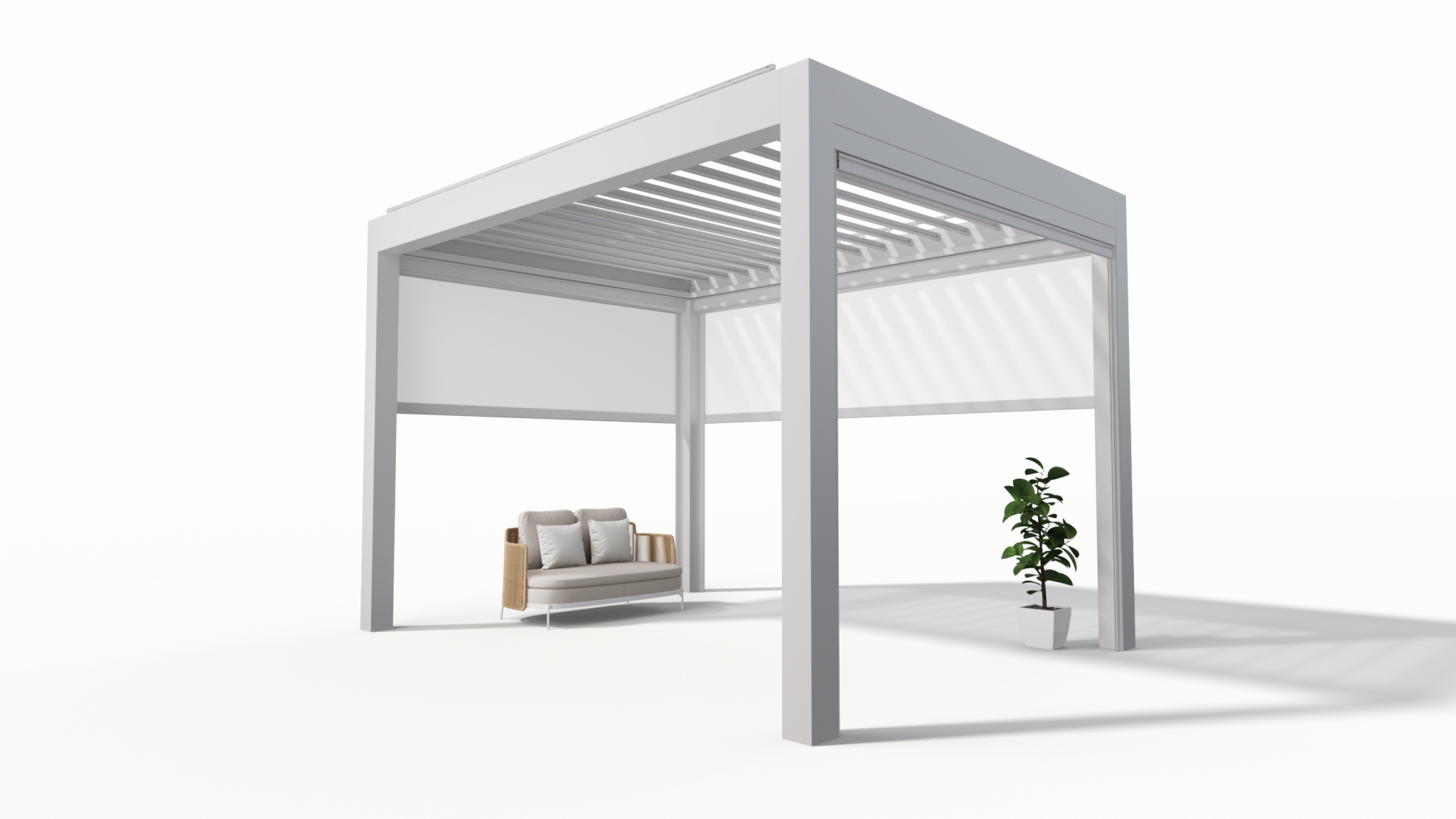
If you’ve sat through another glossy deck brochure and felt your brain short-circuit, welcome—this is the antidote. Comparing designs isn’t about picking the prettiest louvers; it’s about matching performance to place and budget. If you’re evaluating solar-forward options, check how the rooftop behaves under panels by testing a photovoltaic pergola early in the spec stage; that one decision colors everything from drainage to warranty claims.
Core criteria that separate “meh” from “built to last”
Start with measurable things: structural rating (wind and snow loads), material durability (coatings, galvanic compatibility), drainage and water management, integration options (motorized louvers, sensors, solar-ready mounts), and real-world serviceability (how easy is part replacement?). Score each design on those axes instead of being dazzled by powdered-coat color samples.
Materials and mechanical guts that matter—no mystery allowed
Aluminum extrusions beat mystery metal when anodizing and alloy are specified. Stainless fasteners matter; mixing dissimilar metals invites corrosion. Look for explicit specs: alloy series, coating thickness (microns), and whether bearings and gearboxes are IP-rated for your target climate. A motor that can’t handle a wet winter is useless, however quiet it seems on the demo deck.
Performance: weather, loads, and an expert anchor
Don’t guess at load paths. Designs must reference ASCE 7 for snow and wind loads where applicable; real projects in places with heavy winters—think Chicago and other Great Lakes cities—prove that snow accumulation and drift patterns break under-specified pergolas. Real installers report that accounting for local snow-load maps changes beam sizes and anchorage methods. If your brief includes year-round use, compare models built for shade only versus those rated as all season pergola performance and sealing. That single distinction will alter materials, sealant strategy, and warranty expectations.
Common supplier pitfalls (so you can call them out)
Suppliers usually trip over omitted serviceability details: how do you access the motor, replace the louver, or clear the gutter? They also gloss over testing: ask for test reports—fatigue cycles for moving parts, salt-spray for finishes, and wind tunnel or FEM analysis for large spans. If a supplier dodges these questions, treat their renderings as decoration, not specification.
How to score proposals like someone who’s done this before
Make a short checklist and apply it to each bid: 1) structural codes cited (yes/no), 2) full material spec sheet (yes/no), 3) test or certification links (yes/no), 4) spare-part lead times, 5) warranty period and what it covers. Weight each item by your project risk—if you’re near the coast, corrosion resistance gets extra points. Require a simple schematic showing drainage and load path; if a vendor won’t draw that, move on.
Alternatives worth glancing at
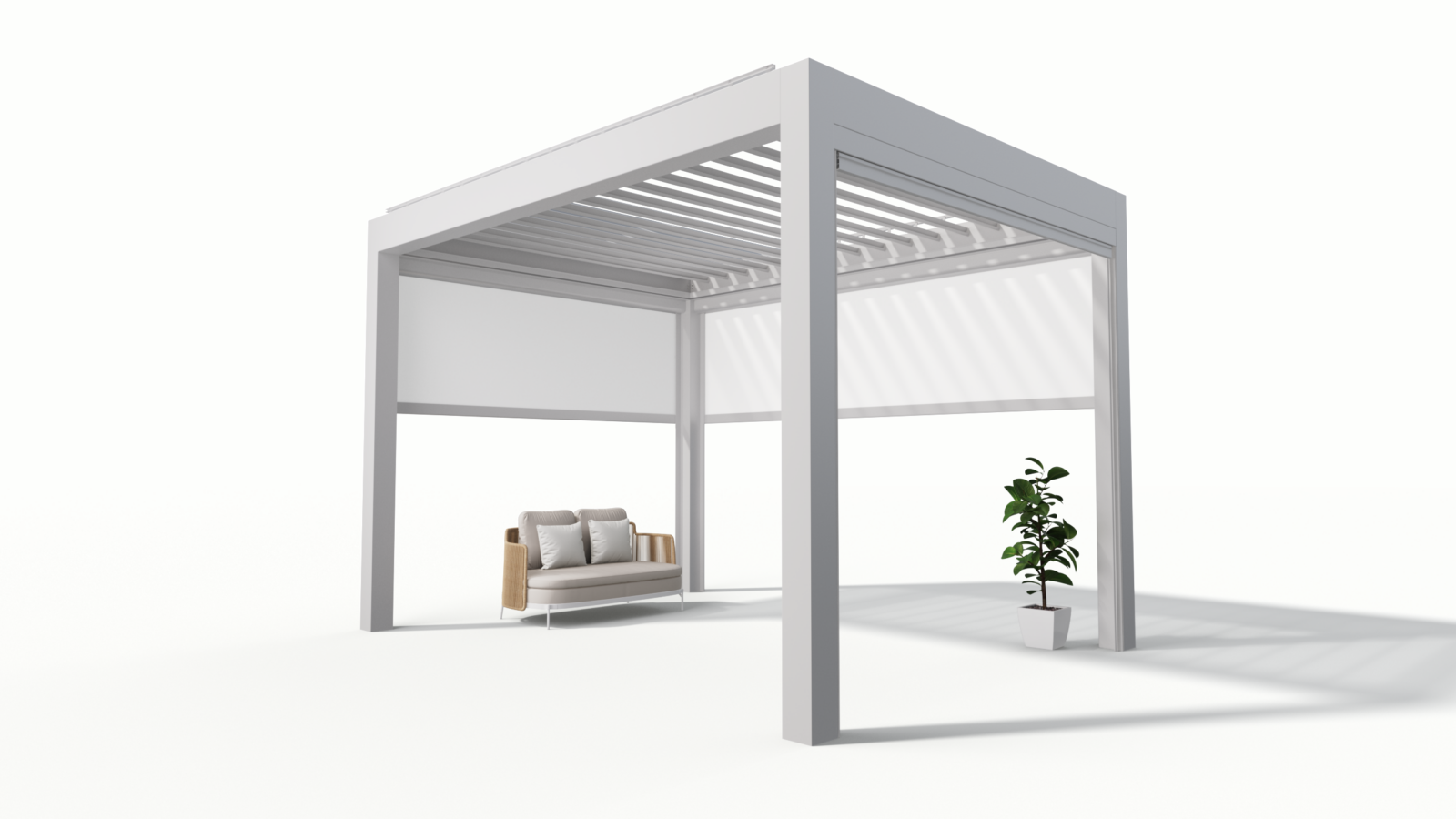
There are three common routes: lightweight pergolas that prioritize cost, heavy-duty engineered systems focused on span and storm resistance, and hybrid solar-pergolas that add energy-generation complexity. If energy is primary, expect additional structural reinforcement and routing for conduit. If longevity is primary, invest in thicker extrusions and proven coatings rather than trendy finishes.
Final synthesis—pick sense over sparkle
Compare by measurable performance first, aesthetics second. If you value year-round functionality and simplified integration with solar, favor suppliers who provide structural calculations, test data, and clear service plans; that’s the blend where practical design meets predictable outcomes, and you often see it executed well by Light Hunter.