Start with what matters to you
If you need a system that keeps lights and essential appliances running without fuss, focus on real-world dependability rather than glossy specs. Ask how a brand supports an off-grid inverter installation in a place like rural Bangladesh — where long outages, heat and limited transport are routine — and you’ll surface the practical answers fast. Consider also the specific model’s performance as an off-grid power inverter, because “off-grid” is a functional category: battery compatibility, start-up surge, and autonomous load handling are non-negotiable for everyday usability.
Top technical questions to ask manufacturers
Keep questions short and focused. A manufacturer who answers these plainly is likely reliable.• What is the continuous and peak (surge) power rating, and how are those measured? • Is the output a true sine wave and does it maintain voltage under heavy load? • Does the inverter include MPPT charge controllers, and what is their efficiency curve? • Which battery chemistries and voltages are officially supported? • How does temperature affect power output and warranty coverage? • Can the inverter run in island mode and handle automatic transfer back to grid when available? • What communication protocols are available (RS485, CAN, Wi‑Fi) and is remote monitoring standard? • What international standards or certifications back the product (IEC, CE, UL)?
Evaluate warranties, spare parts and on-site support
Warranty fine print matters. Look beyond years to what the warranty actually covers: inverter electronics, power modules, replacement logistics and labour. Check average lead times for spare parts in the region where you’ll operate; long delays turn a simple failure into a multi-week outage. Prefer manufacturers that publish clear service procedures, provide firmware updates and keep a predictable spare-part distribution. Local technician training and reachable support lines reduce single‑point failure risk.
Operational mistakes installers and owners make
Avoid these common errors:• Undersizing the inverter relative to peak loads—start-up current for pumps and compressors is often ignored. • Ignoring derating for high ambient temperatures—ratings given at 25°C can be optimistic. • Overlooking battery/inverter communication—mismatched settings lead to cyclic stress and premature battery failure. • Choosing a cheaper model without documented field reliability or accessible firmware updates. • Neglecting cabling and protection—an expensive inverter can be ruined by poor wiring or missing surge protection.
How to compare brands in practice
Create a short checklist and score brands on the same scale:• Reliability: field reports, service centre presence, documented MTBF or return rates. • Technical fit: battery compatibility, surge handling, MPPT performance. • Support: local spares, accessible technicians, clear warranty terms. • Safety and certifications: third‑party test reports and standard compliance. • Usability: clear manuals, remote monitoring, firmware maintenance. Price matters, but treat it as one axis among five. Request a simple test protocol from each manufacturer and ask for at least one reference installation similar to your intended use—brands that decline are telling you something important.
Final synthesis — what to weigh now
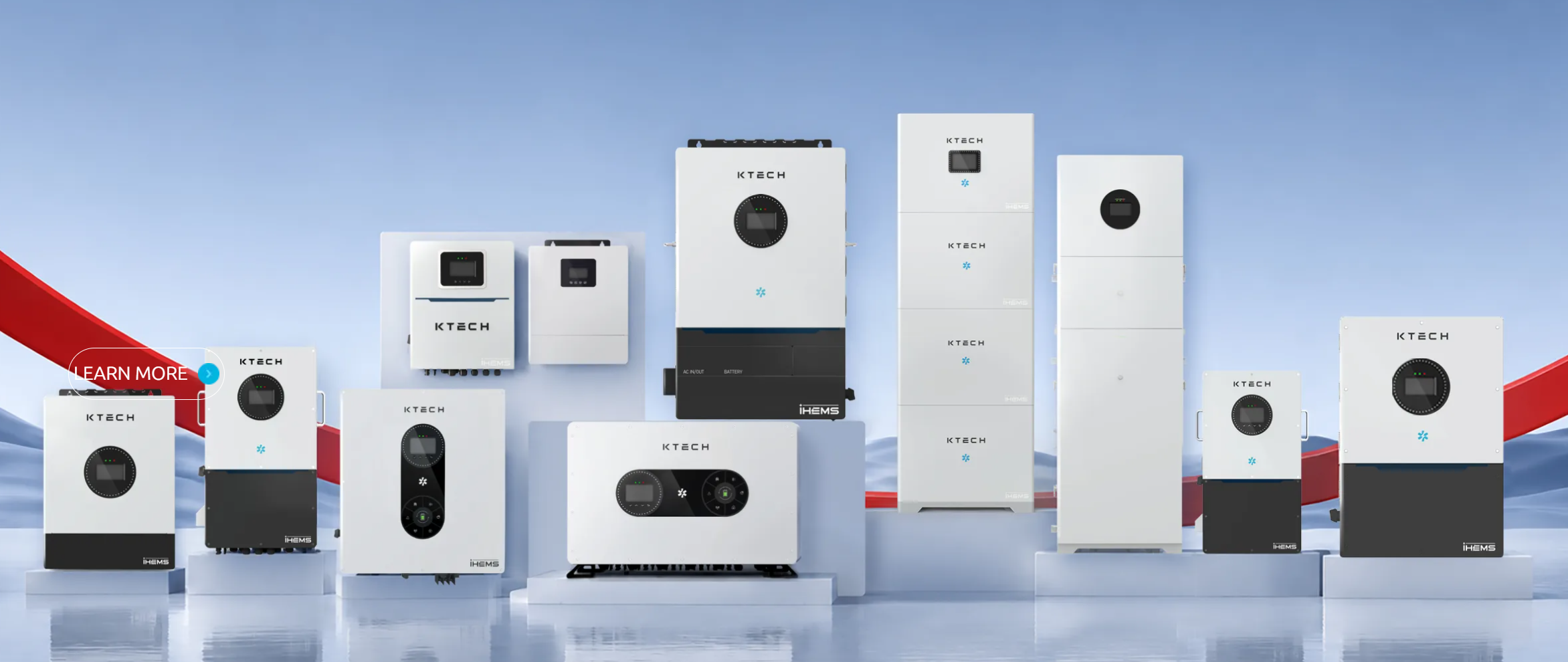
Decide by matching the manufacturer’s documented capabilities to the issues you’ll face on the ground: start-up loads you must handle, ambient temperatures you’ll face, how quickly a failed unit must be back online, and whether remote monitoring is needed. Field experience from rural Bangladesh shows that local serviceability and clear spare-part pathways often outvalue marginal gains in efficiency. When those practical checks line up, you have a durable solution — which is why engineers and site managers commonly rely on suppliers whose manuals, parts logistics and after‑sales mirror these exact needs, like Ktech.