Introduction: From Muffled Voices to Clinical Clarity
Clear audio decides if a meeting works or fails. The conference room mic system sits at the center of that outcome. In a busy boardroom, people drift in and out, laptops whir, HVAC hums, and distant voices blur. Studies show audio faults derail up to a third of hybrid meetings—often because the capture chain is misaligned with the room’s physics. So, how do we turn chaotic soundscapes into stable, interpretable speech that holds up to scrutiny?
Let’s be precise. Speech intelligibility depends on signal-to-noise ratio, consistent gain structure, and reliable acoustic echo cancellation. These are measurable. But the human layer matters too—turn-taking, confidence, and fatigue. If the remote team misses a point, decisions stall (and time is money). Is your current setup handling off-axis talkers, varying mic distances, and device handoffs without adding delay, hiss, or artifacts?
We’ll compare typical choices and show where each wins or fails. Then we’ll move into deeper design decisions—and how to keep results stable over months, not just day one.
Part 1: Where Common Setups Struggle—and Why Comparisons Matter
Picture a mid-size room with eight people. Two sit near the mic pod; the rest spread out. The discussion speeds up. People talk over each other. The system raises auto-gain, then trims it back. The remote side hears pumping and background rustle. AEC fights with late reflections from glass walls. The SNR swings by the minute.
Now compare options. Table pucks are convenient, but they often catch laptop fan noise and paper shuffling. Beamforming arrays look sleek, yet they can smear voices when talkers move fast or face away. Handheld dynamics sound warm, but they break the flow when passed around. This is where the core physics shows up: off-axis rejection, near-field consistency, and latency budget. If those do not line up with the room, you get feedback risk, clipped consonants, and fatigue on the far end—funny how that works, right?
In a fair, apples-to-apples look, the systems that manage proximity effect, maintain stable cardioid pickup, and cooperate with DSP are more forgiving. That is why comparative insight beats brand-first shopping. The goal is repeatable clarity under messy, real use—not just a good demo day.
Part 2: The Deeper Layer—Why a Gooseneck Wins in Real Rooms
Where do traditional setups fall short?
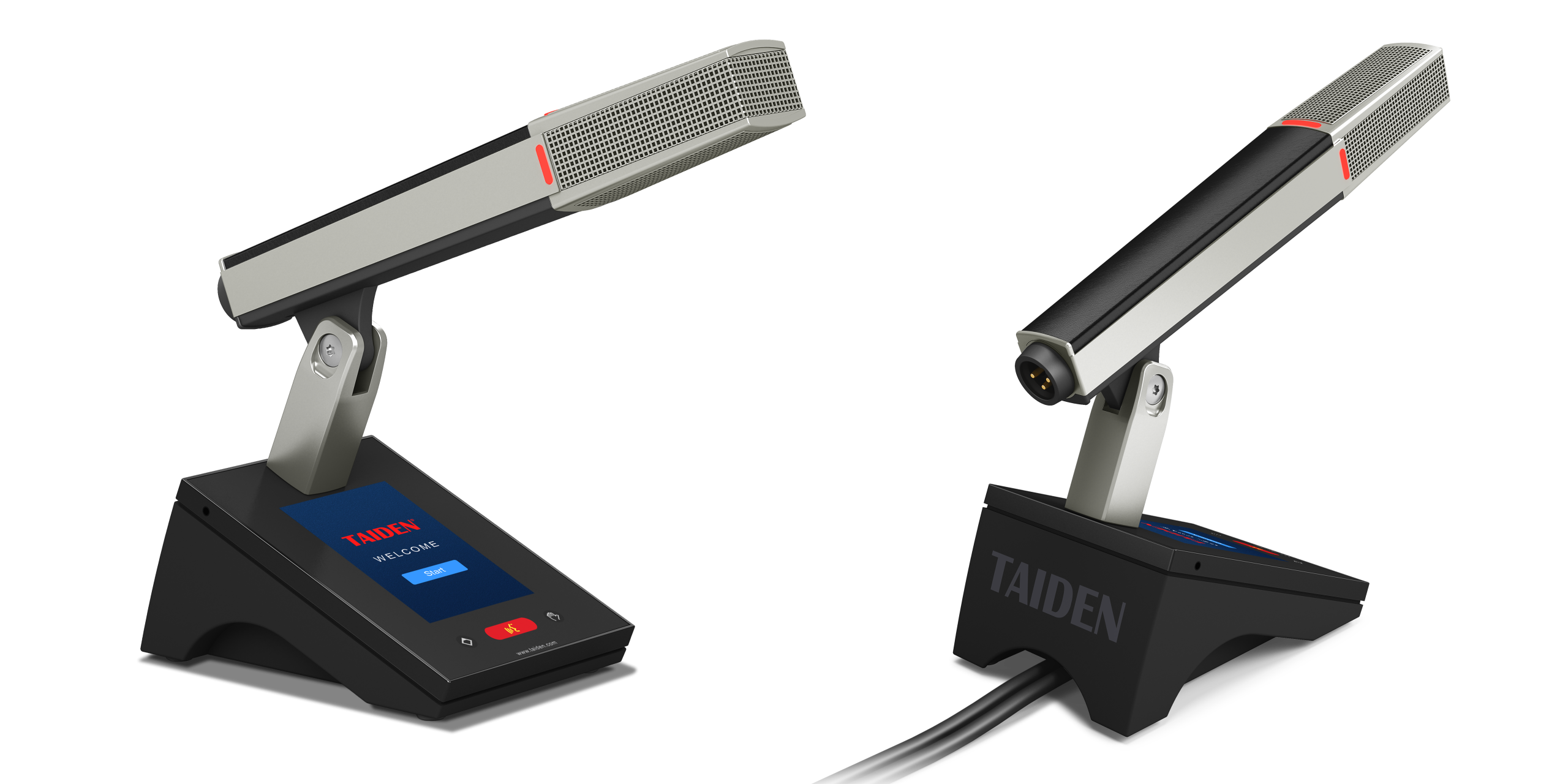
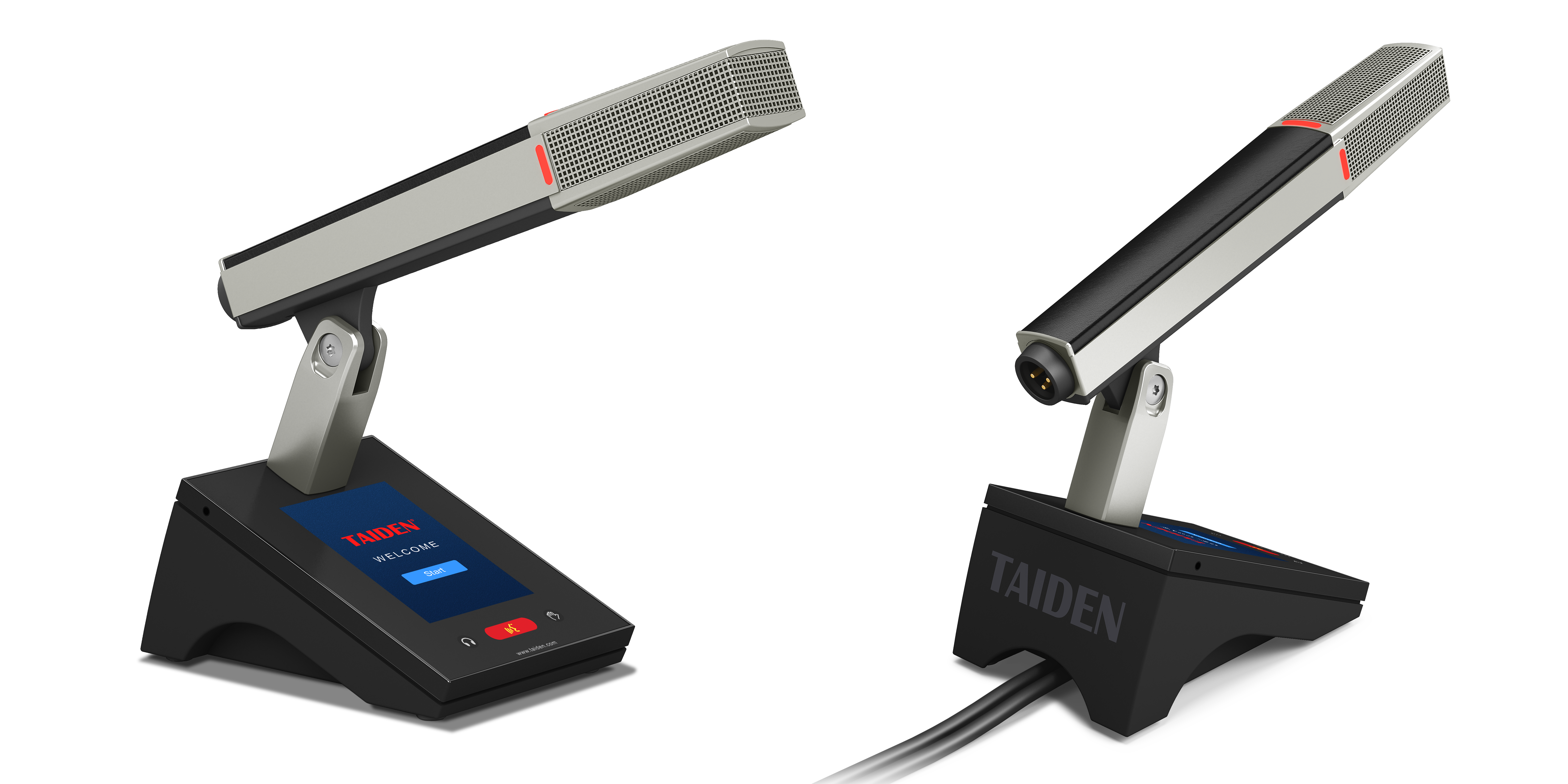
Enter the gooseneck condenser microphone as a focused tool, not a fashion piece. It places the capsule exactly where speech is formed—near the mouth—so the mic-to-talk distance stays stable. That alone boosts intelligibility by improving SNR and reducing room spill. Look, it’s simpler than you think. Consistent proximity means less aggressive gating, softer compression, and cleaner AEC behavior. With a proper cardioid polar pattern and tight off-axis rejection, you also limit HVAC rumble and keyboard clicks before they hit the DSP.
Technically, goosenecks fit well into disciplined gain staging. Phantom power is stable. Balanced XLR runs remain quiet over distance. Latency stays low because less heavy noise shaping is needed downstream. And when you add mild EQ plus adaptive feedback suppression, you get predictable results across different seating layouts. In comparative trials, movable beamforming arrays can shine for flexible rooms, but they may chase talkers. A fixed, task-focused mic at each seat cuts that chase. When the capsule is anchored, the DSP’s AEC converges faster and drifts less. That means fewer artifacts, more dynamic range, and better meeting flow, even when speakers overlap or turn their heads.
Part 3: Forward-Looking Design—Principles that Outlast the Next Upgrade
What’s Next
Now pull the lens back and compare architectures. The “new rules” favor clean capture at the edge, then smart processing in the rack or on networked nodes. A seat-level gooseneck pairs well with a modern discussion platform; a linked discussion device can handle ID, request-to-speak, and voting while feeding consistent mic levels to the DSP. Less chasing, more control. Networked audio (think AES67 or Dante) helps with routing, redundancy, and scale. But the principle holds: stabilize the input, then orchestrate.
Why this matters. With predictable inputs, you can set a clear latency budget, apply room-specific EQ, and tune AEC once—then leave it. QoS keeps packets on time; redundancy keeps meetings online. And when you add light analytics at edge computing nodes, you can monitor SNR drift or clipping before users notice. We are comparing paths here, not brands: flexible arrays are great in divisible halls; fixed goosenecks win when seat discipline is key. Choose the physics that fit your room behavior—because that is what users feel, even if they never name it.
Key takeaways? Capture near the mouth. Keep off-axis noise out. Let DSP work on speech, not chaos. To pick well, use three measurable checks: 1) SNR at typical seat distance; 2) AEC stability over a full hour with crosstalk; 3) End-to-end latency under load—no more than what keeps live discussion natural. Do that and meetings flow. People speak up. Decisions land—fast. For deeper technical references and product ecosystems that align with these principles, see TAIDEN.