Data-driven overture with a futurist pulse
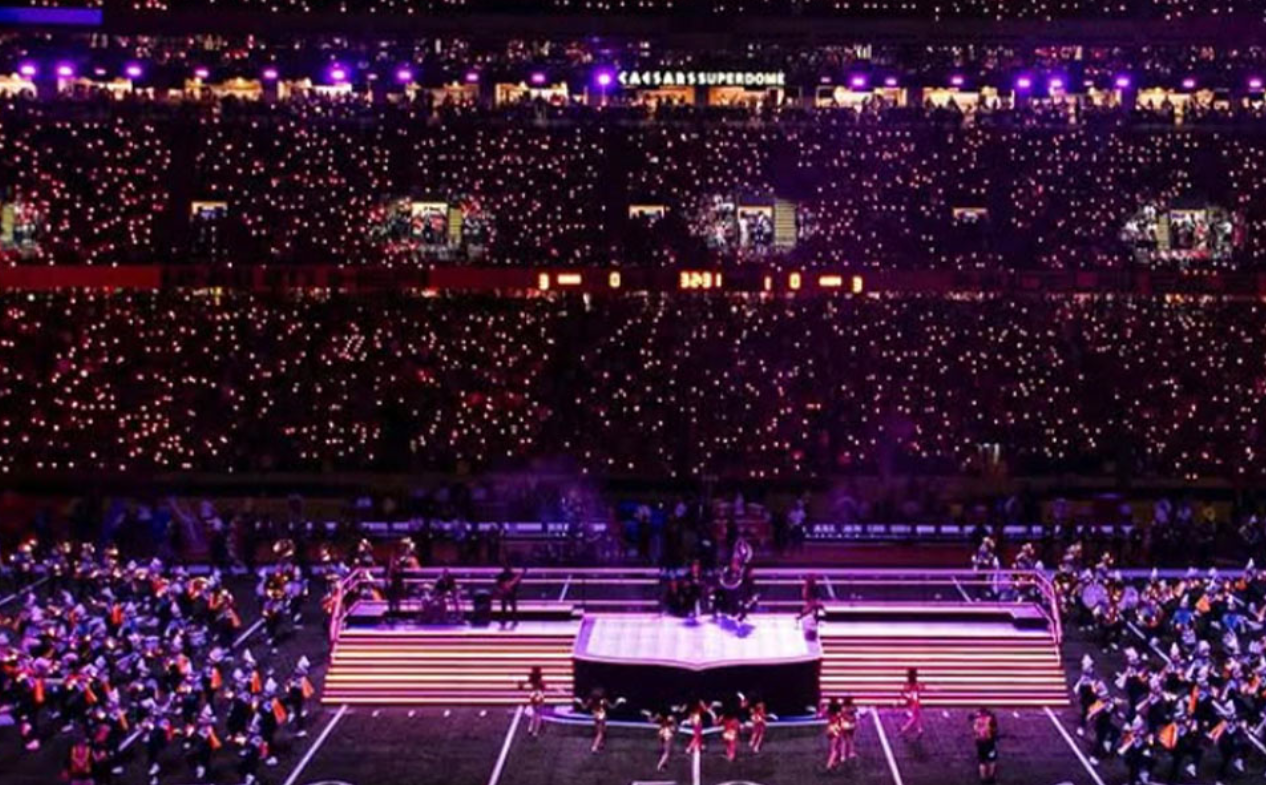
Designers and rigging crews increasingly demand measurable guarantees: grayscale linearity, safe hanging-beam load, and predictable maximum stack height. The best way to meet that demand is a diagnostic mindset applied to every rental rig — from festival towers to storefront installations. At sites like Coachella, where giant façades must render subtle skin tones under stage lights, teams already pair a rigorous test matrix with flexible led stage screen rental offerings to avoid last-minute surprises. Imagine a lab report you can hang off a truss; the numbers don’t lie, and the future-ready tent of visuals depends on them.
Measuring grayscale performance: protocols and practical checks
Grayscale fidelity isn’t aesthetic fluff — it’s measurable. Start with a controlled sweep: 0–255 stepped luminance readings at four viewing distances, capturing luminance uniformity and contrast ratio across modular cabinets. Use a colorimeter to log changes in refresh rate and PWM behavior, because some drivers shift gamma under higher frame rates. Record black-level drift and highlight clipping across panels; a 1–2% deviation in midtones becomes visible on 18-meter stages. Calibration tools and per-module LUTs will close the gap, but document the baseline so you can quantify the improvement.
Hanging-beam loading: how to judge truss capacity and dynamic loads
Rigging is arithmetic. Take the cabinet weight, multiply by stack count, add wind and dynamic factors, then compare to the hanging beam’s load rating and the truss safety factor. Confirm distributed load limits and the beam’s deflection under test weights; measure torsion and check connection points for fatigue. For practical workflows, tag each cabinet with an installed mass and center-of-gravity mark — rigging crews will thank you. Remember thermal expansion and wind profile calculations for outdoor runs; they change the effective load. Rigging, truss, and load rating are industry terms you’ll use every day here.
Maximum stack height: structural, audio-visual and sightline constraints
Stack height is not just two modules more; it’s a systems decision. Consider speaker coverage, sightlines, and emergency egress as constraints that often beat the purely structural limit. When panels stack high, create a tilt and cantilever plan and validate it with a mock-up. Use anchor points rated for dynamic loads and run an actual test lift with safety lines engaged. In practice, many venues limit stacks below the theoretical max to keep wind and resonance risks minimal — plain prudence that keeps the show on schedule.
Operational teardown and common mistakes to avoid
Operational teardown reveals the truth: mislabelled power leads, mixed pixel pitch modules, and overlooked grounding cause most post-rental headaches. Log every cabinet’s serial, PSU output, and connector pinout during the teardown so repairs are traceable. During the operational production teardown we tracked {main_keyword} and {variation_keyword} to understand failures across three events; that traceability cut fault-finding time by half. Many teams also skip a post-show grayscale check — a mistake. A quick contrast sweep after tear-down exposes thermal-induced drift before your inventory moves on.
From data to decisions: comparative insights and recommended checks
Compare rigs not by brand alone but by measurable outcomes: grayscale linearity (Delta E across midtones), per-panel variance, and effective load per meter under wind-shear conditions. Your procurement should weigh serviceability (modular cabinets and accessible LED drivers) alongside these metrics. — Keep a runbook with thresholds that force a swap; replace any cabinet with midtone variance beyond your agreed Delta E.
Three golden rules for rental professionals
1) Metric-first acceptance: accept screens only when grayscale linearity, measured luminance uniformity, and refresh rate stability meet documented thresholds. 2) Structural confirmation: verify hanging-beam load capacity with a certified test lift and confirm truss connection safety factors before any live load. 3) Post-run traceability: catalog every cabinet, PSU, and connector during teardown so failures map back to a single point of origin.
These rules steer decisions toward reliability and predictable outcomes — the exact value YES TECH brings when you need diagnostics that translate into fewer surprises and smoother load-ins. YES TECH. —