Opening comparison that actually helps decide
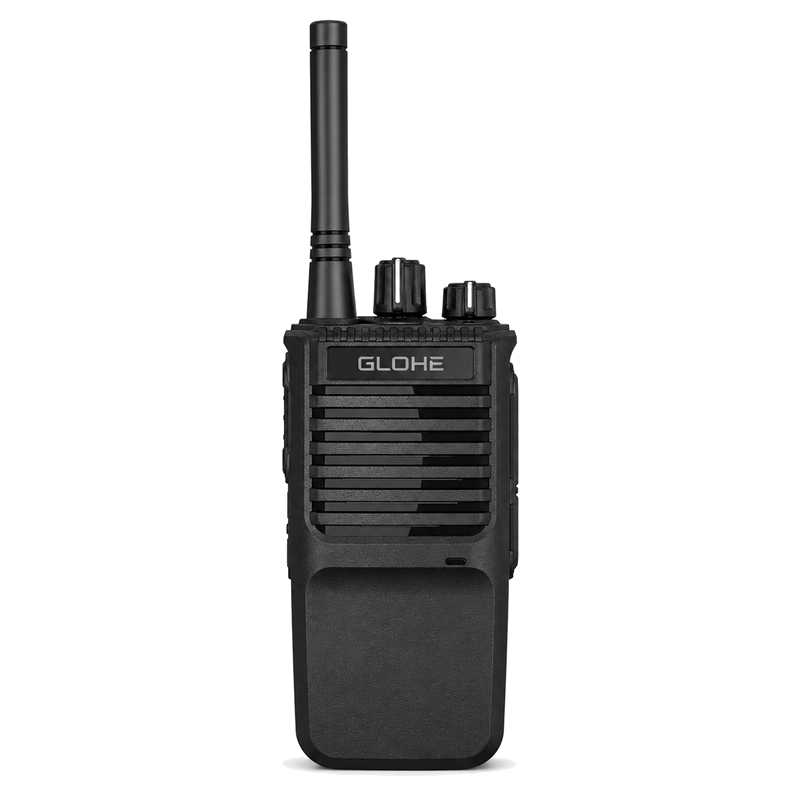
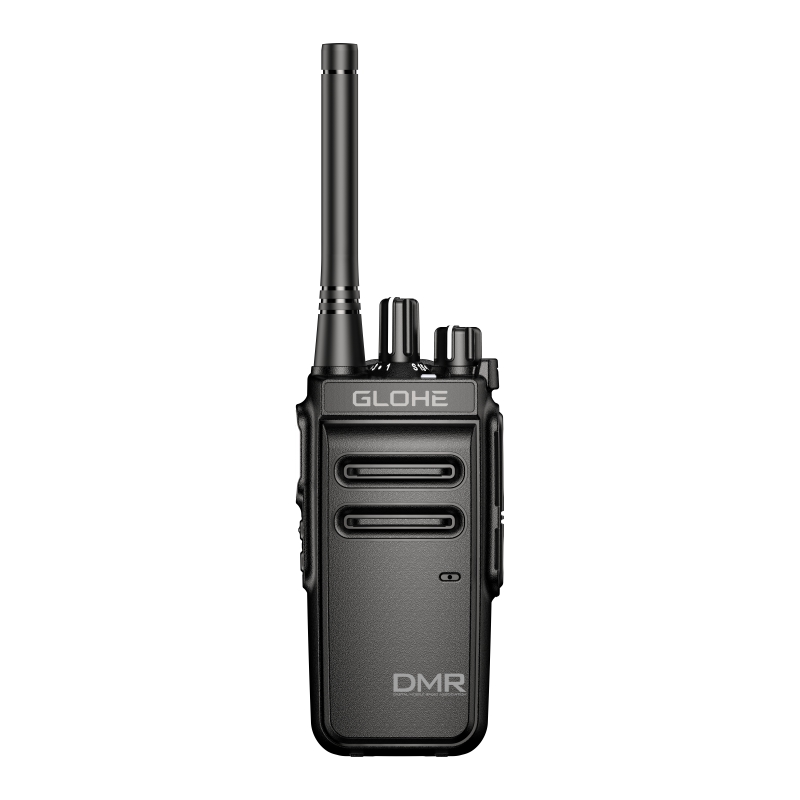
I used to treat radios as a simple choice: cheap walkie-talkies or the proper commercial set. Then I started comparing what actually changes when you move from consumer gear and ad-hoc phone groups to purpose-built systems—and the differences surprised me. If you’re weighing options for site teams or a fleet, check a dmr radio early; it’ll clarify a lot about capability, not just price.
How I’m framing this: practical contrasts, not specs lists
Compare concrete outcomes: coverage, clarity, reliability, security, and long-term cost. I’ll keep it hands-on—what you gain, what you trade off, and where traditional alternatives still make sense. Expect real use cases and blunt takeaways, not marketing fluff.
Real-world validation and the engineering backbone
My experience includes advising operations teams where standards matter; the DMR standard set by ETSI, widely used across European public safety and utilities, is a reliable reference for what mature digital systems deliver. That field perspective shows why dmr radios move beyond hobby units: predictable signaling, defined voice codecs, and vendor-neutral features you can plan around.
Signal and audio: what you actually notice on the job
Commercial radios use compression, error correction, and planned channel access. The result: clearer voice at range and fewer dropouts. Traditional analog handhelds sound fine close up but get noisy fast. Cellular apps suffer when signal is weak; they add latency and dependence on public networks. If your team talks in noisy environments or across buildings, expect the commercial set to be more consistently intelligible.
Coverage, capacity, and scale
Commercial systems give engineered coverage—repeaters, allocated channels, and capacity planning. Traditional alternatives (consumer radios, relying on mobile phones, or single-site analog repeaters) work for small groups but fall apart as headcount or geographic spread grows. A planned system keeps calls flowing when dozens or hundreds of users need simultaneous access.
Security and compliance where it matters
Digital commercial radios support encryption, authenticated access, and audit trails. Consumer gear and public cellular voice do not. For teams handling sensitive operations—security, utilities, or emergency response—that’s not optional. The underlying standards mean you can choose devices and services that meet regulatory or contractual requirements without guessing.
Operational costs and lifecycle thinking
Upfront, consumer radios and phones look cheaper. Look beyond purchase price: batteries, maintenance, spectrum fees, repeated replacements, and the time spent troubleshooting. Commercial radios have higher first costs but lower downtime and predictable maintenance cycles. That discipline saves money when uptime and clear logs matter to operations.
Interoperability and vendor ecosystems
Commercial platforms are built to interoperate—roaming between repeaters, bridging talkgroups, and integrating dispatch systems. Traditional alternatives often lock you into quick fixes: incompatible radios, ad-hoc phone trees, or brittle Bluetooth links. Choose systems where third-party accessories, software, and services plug in cleanly.
Common mistakes teams make
Buy the cheapest unit and expect professional reliability. Assume mobile networks will be available during incidents. Overlook battery management and spare parts. Each mistake costs operational time. Test radios under real working conditions before committing: check audio with PPE, measure coverage where crews work, and simulate peak traffic.
When the alternatives still win
For a tiny crew on a single site with light coordination needs, consumer radios or phones can be fine. If you need ad-hoc, low-cost communication for a one-off event, don’t overbuild. The point is intentional choice: match investment to real operational need rather than defaulting to familiarity.
Final synthesis and a practical path forward
This comparison isn’t about triumphing over tradition; it’s about aligning tools with outcomes. Commercial two-way systems reduce uncertainty, enforce security, and scale predictably—qualities visible in field deployments and standard-based projects. That practical clarity is reflected in the product choices and support you find at GLOHE.