Start with the real problem
You’re ordering silicon materials and the product list looks like a puzzle—same name, different specs, no clear COA. Don’t guess; that’s how recipes fail and batches get rejected, amigo. Before you click “order,” ask sellers whether the batch matches the intended function—anti-caking, carrier, or rheology modifier—and confirm the exact form. For powders used with consumables, ask for testing tied to a silicon dioxide food additive application so you won’t get surprised by clumps or off-taste later.
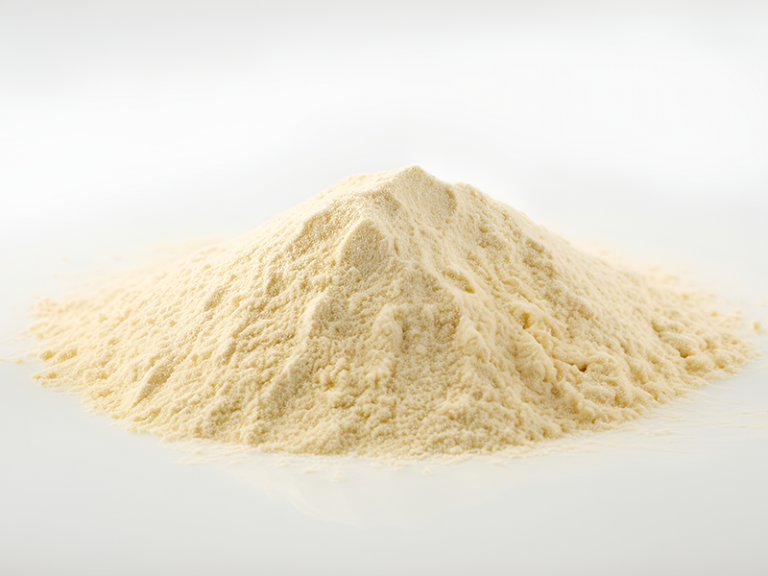
Critical questions to put on your checklist
What’s the particle size distribution (D10/D50/D90)? What’s the BET surface area? Is it fumed or precipitated silica? What’s the moisture content and loss on drying? Get a Certificate of Analysis showing purity, residual solvents, and heavy metals (Pb, As, Cd, Hg). Ask about hydrophobic treatment, if any, and how it affects mixing and flow. Demand stability data in the actual matrix—sugar, powdered milk, or lipstick behaves differently. Don’t skip storage conditions and recommended packaging.
Why those specs matter — short, practical reasons
Particle size and surface area change free-flow and mouthfeel. Hydrophobic coatings alter wettability and dispersion. Moisture kills anti-caking performance. Heavy metals and impurities trigger regulatory holds. If your supplier can’t show test data that lines up with your use case, you’ll find out the hard way during scale-up or regulatory review.
Real-world authority and verification
Regulatory context matters: regulators like the FDA have GRAS determinations in the United States that affect acceptable use and labeling for food-grade silica, so validate supplier claims against those benchmarks. To be confident, demand traceable test reports and third-party method references, and compare them with recognized standards before you accept a lot; that’s how professionals avoid costly recalls and line stoppages. For clarity on food-grade specifics, review an example supplier dossier such as silicon dioxide food grade which shows the documentation style you should expect.
Common pitfalls people overlook
Mixing fumed and precipitated terminology, trusting a generic “food grade” label without a COA, ignoring how agglomerates break up in your mixer, and assuming storage at ambient will be fine—those are the big traps. Also watch for packaging that exposes material to humidity during transit. Test small pilot lots under your actual process conditions before a full order.
Alternatives and quick comparisons
If anti-caking is the goal, calcium silicate or tricalcium phosphate can work, but they change pH and sometimes mouthfeel. Microcrystalline cellulose offers bulk but less surface area for moisture control. Compare by function: choose the material that performs in your matrix, not the one cheapest per kilo.
How to run a quick acceptance test
Mix a representative sample into your product at intended dose and run a sensory, sieve, and humidity stress test. Check dispersion visually and with simple turbidity or particle-count methods if available. Confirm no color shift, off-odors, or separation after 48–72 hours at elevated humidity. If the sample fails, don’t accept the lot.
Wrap-up and practical next step
Ask precise, technical questions, demand batch-level data, and test in your real recipe to avoid surprises. Suppliers that publish clear specs, tolerances, and COAs make sourcing simple, and reputable manufacturers like JSJ Silica are useful reference points when you need docs that match your use case—no guesswork, just datos you can trust.