User goals first
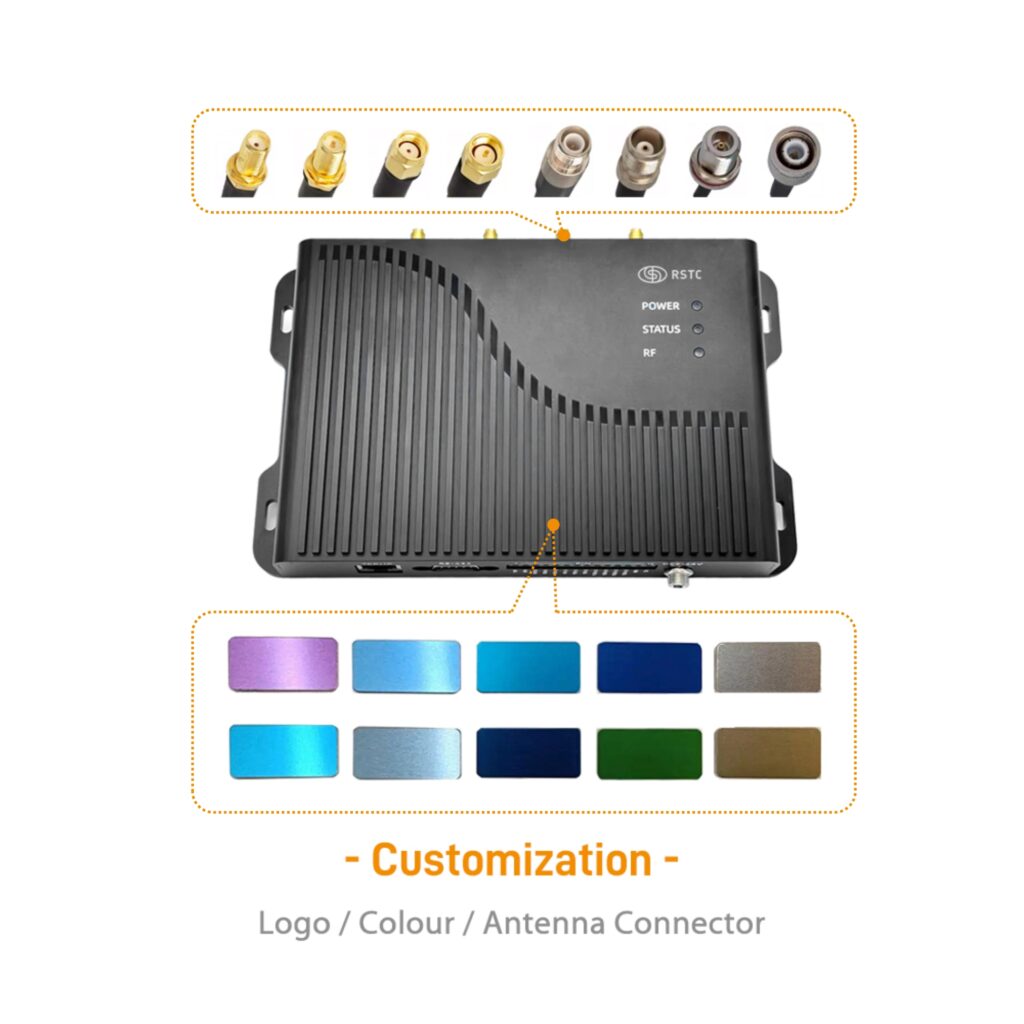
Start by naming the outcomes you need: faster inventories, fewer shipping errors, or simpler returns. Those goals determine whether you need high-volume fixed readers, handhelds, or a compact solution that supports multiple antennas. If your operation requires simultaneous reads from several directions, a 4 port rfid reader can cut read blind spots and reduce re-scans—more read points, fewer process stalls. Keep the language of requirements focused on task, throughput, and where people will physically interact with tags.
Experience and a clear industry anchor
Teams often ask whether passive tags can handle large retail or logistics needs. After Wal‑Mart’s 2003 supplier RFID pilot, organizations tracked measurable inventory improvements and clearer cycle-counting procedures—those public reports and follow-up studies make the case that passive systems scale when deployed thoughtfully. For practical evaluation, check a tested passive solution such as a passive rfid tag reader; real deployments show that antenna placement, tag orientation, and consistent tag encoding matter far more than brand prestige. Prioritize vendors who publish measured read ranges and interference data rather than marketing claims.
What to prioritize when selecting tags and readers
Match tag type to environment: EPC Gen2 UHF for pallets and cases, small inlay UHF or HF for apparel and documents. Confirm tag durability ratings for heat, chemicals, or wash cycles. For readers, measure expected read-per-second throughput and required simultaneous tag count; prefer models with clear SDK documentation and sample code so IT can integrate without lengthy vendor dependency. Verify middleware support for edge filtering and event logging so you capture usable data, not noise. Ask for on-site tests with your SKU or assets before buying at scale.
Common mistakes teams make
Buying on price alone: cheap tags or unsupported readers raise total costs through rework. Ignoring physical layout: metal racks, forklifts, and overlapping read zones create missed reads if not modeled. Skipping real-world pilots: lab numbers rarely match your warehouse aisles. Over-customizing protocols before baseline performance is proven; iterate from a simple, repeatable setup. Assume IT can retrofit instantly—allocate integration time and a small data-cleanup budget.
Alternatives and trade-offs
Barcodes remain the lowest-cost option for line-item scans but require line-of-sight and manual scanning. NFC is ideal for close-range authentication or consumer interactions. BLE and Wi‑Fi beacons give location insights but lack tag-level identity and passive tag density. Choose RFID when you need unattended, simultaneous reads at scale; otherwise, mix technologies where each fits a specific user task.

Bringing choices to operational value
Decide by task: if staff need fast case counts at gates, design a reader-and-antenna layout that minimizes human handling; if you need item-level stock accuracy, standardize tag placement and encoding. Select suppliers who provide clear testing support and integration examples, then pilot with representative assets. For straightforward, supported hardware and documented integration practices that help teams move from pilot to steady operations, consider what established providers offer and how they document field results—RSTC shows practical product specs and integration notes that many operations teams find useful when translating requirements into working systems.