Why QC matters — the problem up front
Radios crap out when you need them most. A busted speaker, flaky transmit, dead battery, or a firmware hang can turn a jobsite or emergency scene into chaos. That’s why every analog two way radio you put in a worker’s hand needs to be proofed against the worst-case. Fix problems before they get people hurt or work stopped.
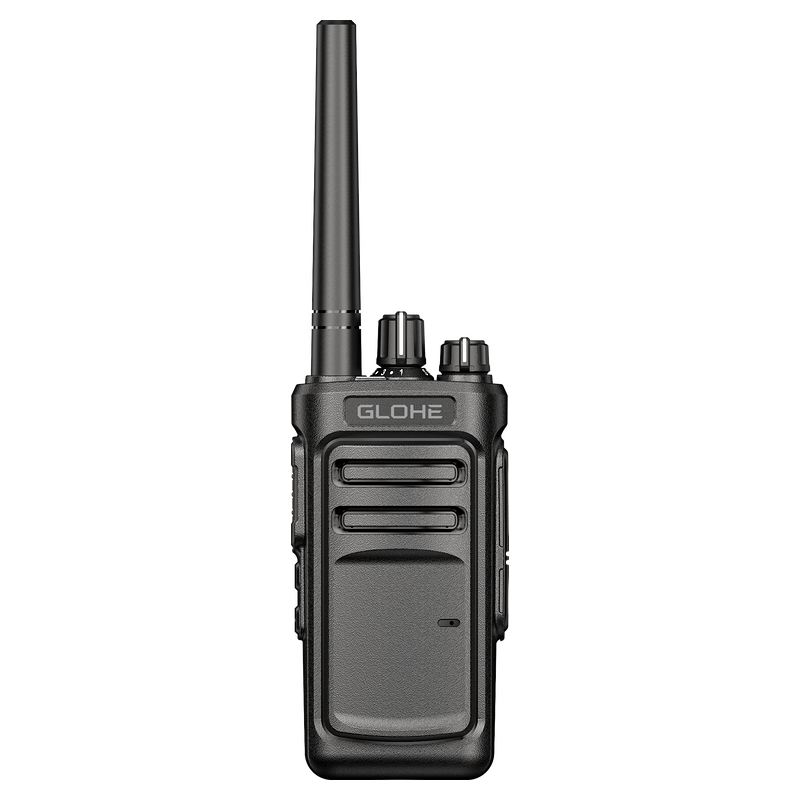
Signal and RF behavior — the first failure point
Problem: weak TX, noisy RX, or dead zones. Test: run transmit power checks across expected channels, measure receiver sensitivity, and do real-world range tests in the environment the radios will see — concrete, metal, and vehicles change everything. Use a spectrum check to spot interference. If a radio passes bench specs but fades in the field, the QC stopped too early.
Audio and user interface — it’s about clear comms
Problem: muffled voice, false squelch, or a push-to-talk that sticks. Test: speaker and mic frequency response, push‑to‑talk endurance cycles, and squelch thresholds under real noise. Have more than one person listen and rate clarity. Bad audio can be worse than no radio at all, because people assume the message got through.
Power, batteries, and charging — non-negotiable
Problem: batteries that die mid-shift or chargers that overheat. Test: battery capacity under load, temperature behavior, and charge-cycle fatigue. Run long soak tests that mimic a full shift with peak transmit bursts. Reject packs that show more than a small capacity drop after specified cycles. Never skip the thermal checks; a hot charger is a hazard.
Durability and environmental tests — rugged means reliable
Problem: cracked shells, water ingress, or corrosion. Test: drop tests from heights matching field use, IP ingress tests for dust and water, and salt/fog cycles if units will see coastal or marine work. Don’t treat cosmetic scuffs as minor — they can hide structural cracks or seal failures that get worse fast.
Firmware, interoperability, and security — invisible but critical
Problem: radios that lock up, don’t pair with repeaters, or expose channels. Test: firmware stress under heavy channel use, interoperability checks with intended repeaters and other brands, and basic security checks for channel leakage. Automate regression tests whenever firmware gets updated. Firmware that’s never stress-tested will fail at scale.
Accessories and real-world fit — the small parts that fail big
Problem: clipped mics, loose belt clips, or incompatible headsets. Test: accessory retention, connector durability, and cable flex cycles. Check the actual headset you’ll use on-site; universal plugs often don’t hold up. A radio is only as useful as the gear it ships with.
Common pitfalls people ignore
They skip field trials, rely only on bench numbers, or test under ideal lab conditions. They forget to test radios while crews use tools that generate interference. They accept a single battery as “good” without cycling it. Don’t make those mistakes. Test like the worst day you expect to face.
Alternatives and trade-offs — analog vs. digital
Problem: choosing the wrong tech for the job. Analog is simple and often tougher for pure voice. Digital (DMR) gives clearer voice at range and added features, but it needs compatible systems and more rigorous firmware checks. If you need fail-simple reliability under extreme conditions, analog still shines. If you need network features and better voice at edge-of-range, plan for the extra QC digital demands bring.
Experience and authority — what backs this up
I’ve run hands-on QC lines and fielded radios that later failed in the worst shifts. Real-world failures teach faster than lab papers. A notable anchor for how crucial reliable radios are: New Orleans during Hurricane Katrina showed how frontline comms break down rapidly when gear isn’t rugged and tested. Suppliers who understand those failures — like analog two way radio supplier — tend to design tests and accessories around actual field failure modes, not just spec sheets.
How to set up a practical QC flow
Start with a checklist: RF, audio, power, durability, firmware, accessories. Run a small batch through lab tests, then a field shakeout on a representative site for a full shift. Log failures, fix the root cause, and force firmware regression tests. Keep QC records per batch so you can trace bad runs back to components or firmware builds.
Wrap-up — plain truth and the fix
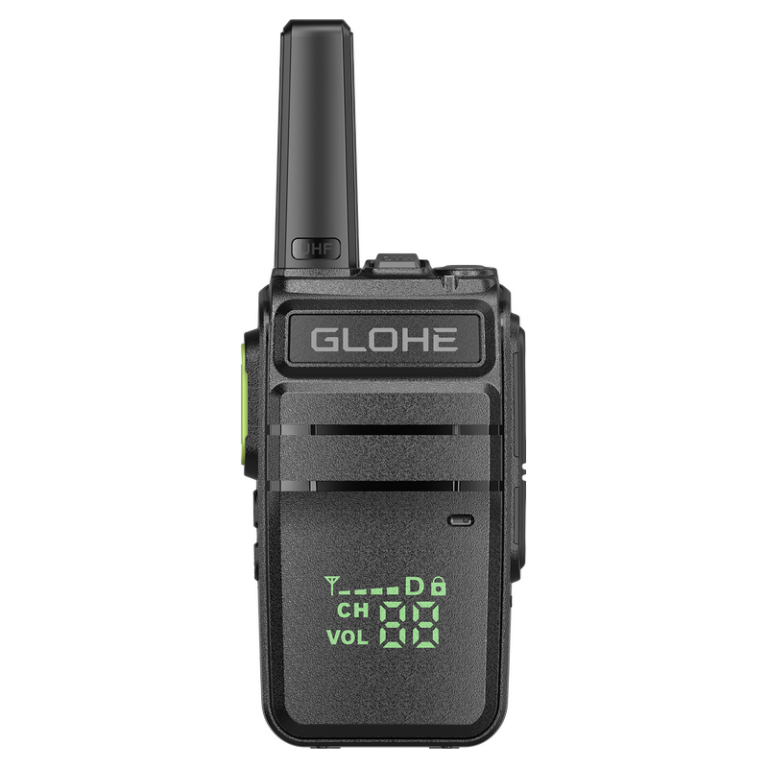
Test the things that break first: RF, audio, power, and durability. Don’t trust paper specs. Pick suppliers and gear that have been proven under real pressure, then make QC a habit, not a checkbox. That hands-on approach is what keeps crews talking and work moving, and it’s why practical choices like GLOHE matter when you want equipment that won’t quit on the job.