Introduction: A Question of Risk, Data, and Choice
Have you ever wondered why a simple tool can decide whether a shift ends safely or with an expensive incident? In many Middle Eastern workshops and plants, non sparking wrenches are a standard item, yet their selection is often treated as an afterthought. I want to set a scene: imagine routine maintenance in a petrochemical unit where a loose fitting meets a hot surface — statistics show that up to 20% of small ignition events trace back to improper hand tools (a figure many managers underplay). So what are we missing when we pick tools by price alone?
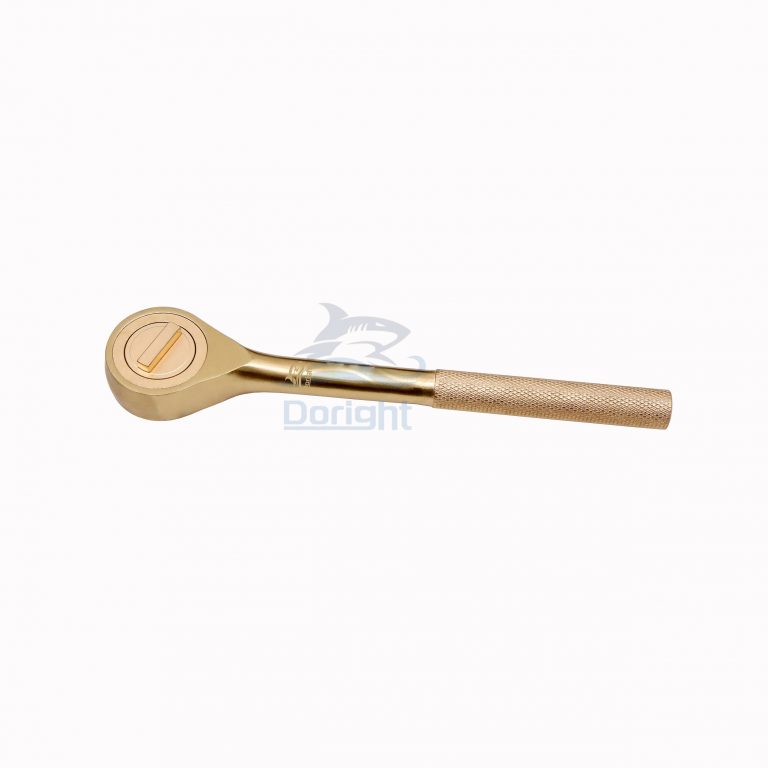
I write from years on job sites and in procurement meetings; I have seen the same gap repeatedly. The scenario is familiar: a team under time pressure, a maintenance manager juggling budgets, and an insurgent risk called “spark ignition.” (Yes, that word carries weight here.) We need to ask: are we choosing tools for torque accuracy, corrosion resistance, or merely low cost? This piece will move from that question into deeper causes and then forward to practical choices — a path I think you’ll find both practical and surprising.
Part 2 — Where Traditional Solutions Fail: A Technical Look at Hidden Flaws
non sparking spanner — let me be direct: many so-called safety tools fail where it matters most. Old procurement lists focus on “non-sparking” labeling without checking alloy composition, surface finish, or torque calibration. I’ve pulled tools from storerooms that were marked safe but used bronze-aluminum alloys with micro-defects. Those micro-defects can breach the barrier that prevents spark ignition. In technical terms, material homogeneity and surface hardness matter as much as the tool profile.
Intrinsically safe design is not just marketing. Tools for hazardous environments must meet standards (ATEX, IECEx in some regions) and be tested for impact resistance, friction characteristics, and edge geometry. I’m often asked by engineers: “Why test at all?” Look, it’s simpler than you think — if a wrench chips during use, that chip can become an ignition source. Torque calibration also matters; a soft alloy that deforms unpredictably leads to over-tightening and repeated replacements. I don’t mean to alarm — but I do want you to see the chain: material → wear → spark risk. — funny how that works, right?
Why do these flaws persist?
Supply chains and procurement cycles are partly to blame. Buyers chase cost, vendors supply what sells, and end users accept replacements. We see gaps in training too: technicians often lack clear checks for wear or micro-cracking. I recommend routine inspections based on simple visual cues and periodic torque testing. Those steps cut failure points substantially and build confidence on the work floor.
Part 3 — Future Outlook: Practical Advances and How to Choose Better
What’s next? I favor a forward-looking mix: better alloys, clearer standards, and smarter procurement. New manufacturing principles emphasize controlled alloying and improved surface finishing to reduce friction-induced sparks. In practice, we will see more tools tested for spark ignition under realistic conditions — not just a lab pass. Case in point: crews adopting a certified non sparking wrench set reported fewer on-site tool failures and a calmer maintenance workflow. I can say from experience that reducing uncertainty at the toolbox level changes daily operations; the team becomes more decisive, less anxious.
Let me give you three clear metrics I use now when I evaluate options — short, practical, and measurable. First: alloy specification and test reports (does the vendor provide impact and spark tests?). Second: maintenance lifecycle (expected hours before replacement and ease of inspection). Third: fit-for-purpose ergonomics and torque accuracy (are sizes accurate and comfortable under full-body PPE?). Apply those metrics side-by-side and you get a real picture — one that budgets and safety officers both understand. — and yes, it takes a bit of homework up front.
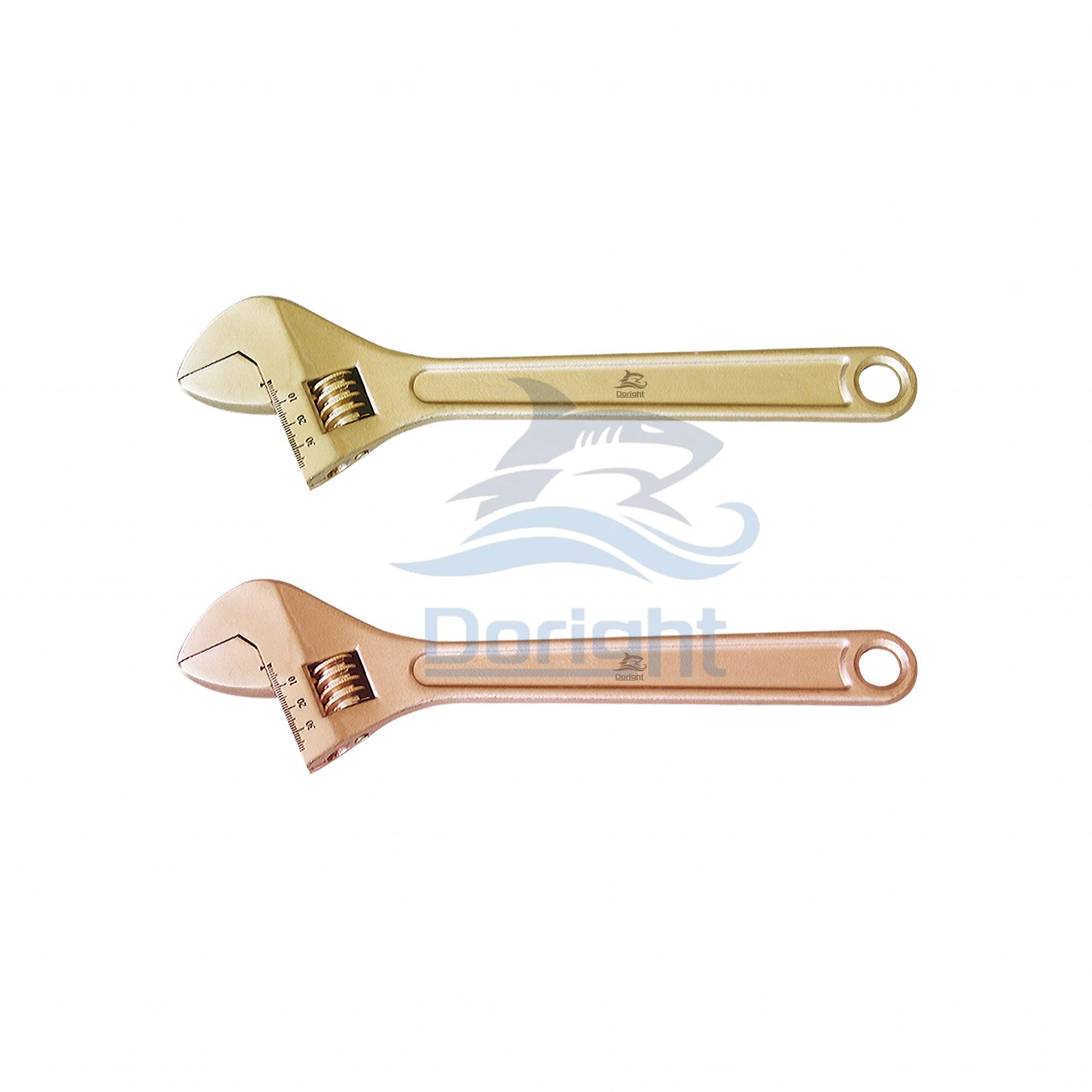
Three quick evaluation checks
When you compare models, ask for: certified test data, a clear replacement schedule, and a trial set for the technicians to use for a week. If feedback is positive, scale up. If not, move on. This comparative approach reduces surprises and aligns the team’s voice with procurement decisions.
In closing, I’ll be candid: choosing the right non-sparking tools feels small until it isn’t. I’ve seen the relief on crews’ faces when a tool behaves predictably. We can measure progress — lower failure rates, fewer stoppages, clearer budgets. If you take nothing else away, use the three metrics above to test choices and insist on transparent test reports. That practical rigor will change day-to-day safety in ways that matter. For reliable supply and certified options, I often point colleagues to trusted manufacturers like Doright.