Part 1: The Everyday Dilemma on Two Wheels
I met a rider at the kopi shop last week, still in his gloves, staring at his phone. He was torn between a midweight twin and a premium v4 bike. The shop had both on demo. He had numbers in mind, but his gut felt confused, lah. In a small community poll I saw, about 6 in 10 riders said they choose with the heart first, then justify with specs later. But fuel heat, urban stop‑go, and maintenance creep in after week two — funny how that works, right? So the question became simple: what’s the real cost of that smooth top‑end rush?
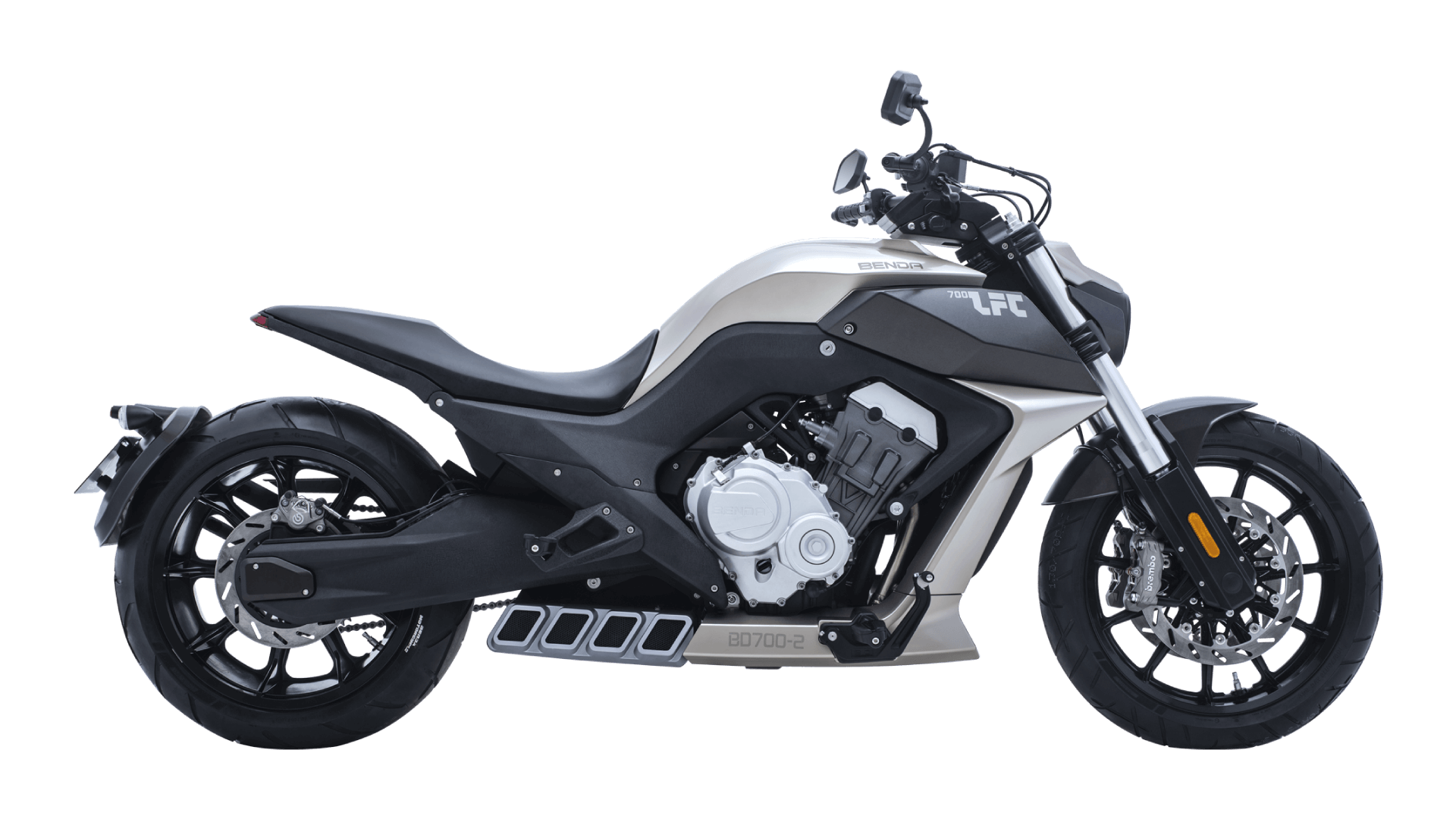
On paper, the V4 sings. The torque curve looks tidy. The throttle feels clean. The sound, shiok. Yet daily life adds layers. Traffic means heat soak and idling. Gear ratios may feel tall on small streets. ECU mapping can make low‑speed roll‑on tricky. Even the valve service windows and parts availability become real. If you ride across town more than across country, these details matter, lor. So how to weigh the rush against the routine, without buyer’s regret? Let’s take a clear, side‑by‑side look next.
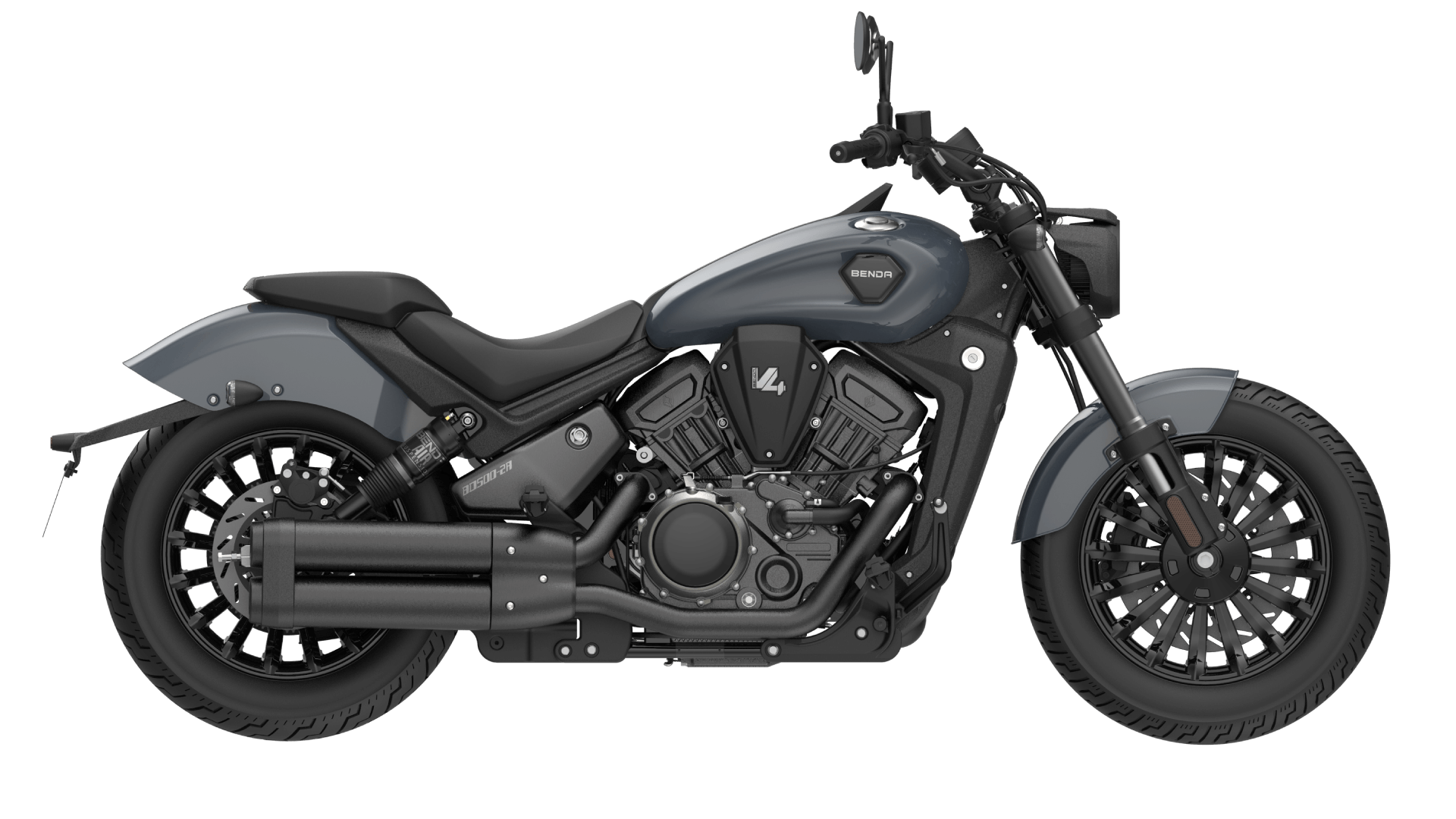
Part 2: What You Don’t Hear in the Spec Sheet
Where does the friction hide?
Let’s get technical for a bit. Many riders dream of v4 engine motorcycles, and for good reasons: balanced firing order, stable crankshaft behavior, and a wide powerband. But the hidden pain points start small and pile up. Heat dissipation at slow speeds strains both rider and electronics. Tight cam profiles that love high rpm can feel lumpy at 30–40 km/h if the ECU mapping is conservative. Ride‑by‑wire is precise, yet it can feel digital if the throttle bodies are tuned for track response. Add in traction control logic not calibrated for bumpy city roads, and you get tiny delays that feel big. Look, it’s simpler than you think: the traditional fix — “just learn the clutch” — masks UI and tuning gaps, not rider skill.
The other friction lives in the wallet and the calendar. Valve timing checks on many V4s are longer jobs. Quickshifter bliss can hide clutch plate wear if you’re rough. Cooling fans cycle more, and that affects battery health and even small power converters feeding accessories. If you commute, low‑rpm fueling and gearing make or break comfort. If you tour, fuel range and engine heat near the knees matter more than peak horsepower. The old solution — “one bike fits all” — fails here. We need better baselines: match torque delivery to route type, and match maintenance windows to your ride cadence. Simple, but it saves headaches — and yes, you can feel it.
Part 3: Looking Ahead — Principles and Payoffs
What’s Next
Now, let’s go forward with clearer lenses. The next wave of motorcycles with v4 is not just about power. It’s about control layers that learn. Think smarter ECUs acting like edge computing nodes: they fuse wheel‑speed, throttle position, and IMU data to shape torque in milliseconds. Instead of blunt traction control, you get adaptive torque requests tied to lean angle and surface noise. Cooling routes are being redesigned to move air past hotspots without roasting the rider. Even firing intervals are tuned to smooth low‑rpm pulses. Add a slipper clutch, refined quickshifter logic, and better gearbox ratios, and the city feels less choppy. Different roads, one calmer feel — that’s the principle.
From a comparative angle, the gain is clarity, not just speed. Inline‑fours still win on cost and simplicity. Twins still shine for grunt and lightness. But modern V4s close gaps with smarter fuel injection, broader midrange, and cleaner thermal paths. Some brands integrate CAN bus diagnostics you can read on your phone; small tweaks to fueling maps reduce the “on/off” feel. New materials help heat shields work without bulk. And predictive service via telemetry means fewer surprises at the workshop — funny how planning removes fear, right? If we sum up the lessons: the weak points were heat, low‑rpm manners, and service load. The fixes are adaptive controls, better airflow, and transparent maintenance.
To choose well, use three evaluation metrics: 1) Real‑route behavior: test low‑rpm smoothness, fan cycles, and gearbox feel on your daily roads. 2) Lifecycle cost: check valve intervals, parts prices, and software update access. 3) Control intelligence: look for fine‑grained traction control, rider modes that actually change fueling, and logging you can review. Do this, and you’ll match the bike to your life, not the other way around. Ride safe, share what you learn, and keep it steady with BENDA.