Comparative Insight Opening
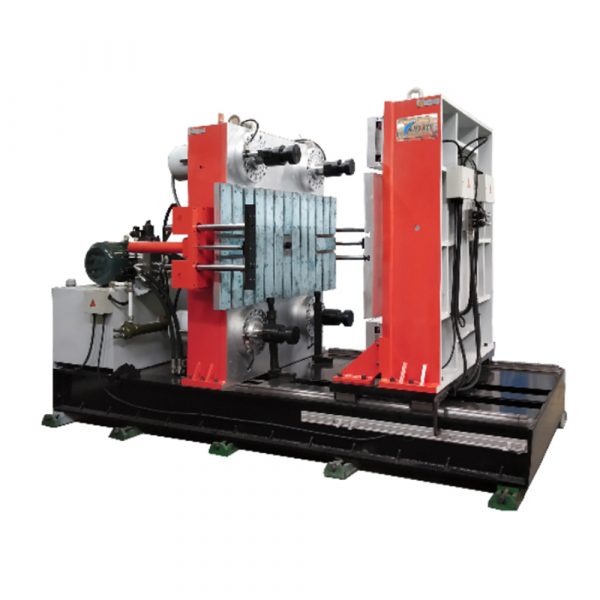
Manufacturers seeking dependable throughput in heavy rubber injection will find the balance between Mooney viscosity control and scorch safety to be determinative of both quality and yield. This comparative study contrasts contemporary horizontal platforms—beginning with the proven horizontal rubber injection molding machine—against emerging designs that purport faster cycle times or finer shot control. The tone is measured and factual; the aim is to enable procurement teams and plant engineers to discriminate between claimed performance and operational reality.
Framework for Comparison
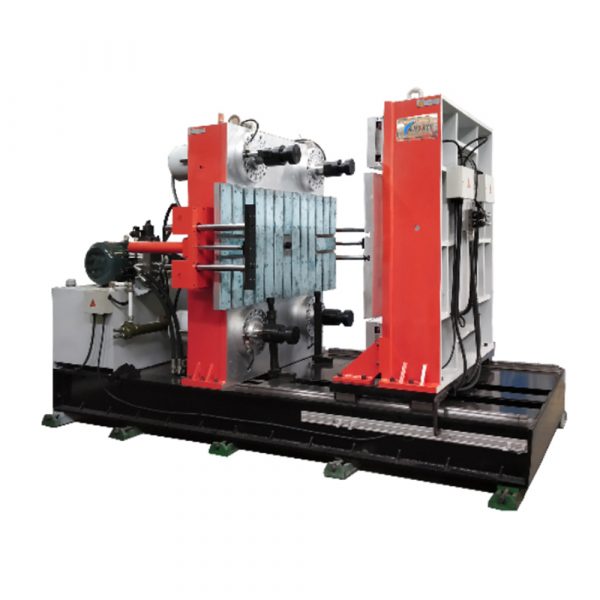
Evaluation rests upon three axes: material handling fidelity, process stability, and maintainability. Material handling fidelity addresses Mooney viscosity handling and feed precision; process stability covers scorch safety, cure cycle repeatability and thermal management; maintainability concerns access to mold cavities, clamping systems and the serviceability of hydraulic or servo drives. These axes form the rubric by which each machine is judged, with equal weight given to production risk and long‑term uptime.
Key Machine Attributes Examined
Across candidates, certain attributes determine suitability for heavy production. Clamp force and platen rigidity influence flash control and part consistency. Shot size metering—whether by screw metering or piston dosing—affects material shear and thus Mooney readings. Thermal management and mold cooling circuits govern scorch margins; a narrow scorch window demands rapid, reliable temperature feedback. Where LSR and high‑fill carbon black compounds are used, attention to feed‑system purge and backflow prevention is essential.
Operational Trade‑offs and Common Errors
Procurement often prizes cycle time above process latitude; yet aggressive cycle reduction can magnify scorch incidents and produce more rework. Common mistakes include under‑specifying clamp force relative to mold design and failing to match shot size granularity to the compound’s rheology. Another pitfall is neglecting repair access—hydraulic manifolds and platen tie‑bars that require dismantling for routine maintenance add unplanned downtime. —A modest adjustment to maintenance intervals often returns measurable gains in availability.
Alternatives and Practical Adaptations
When the primary horizontal platform does not meet a specific margin for scorch safety, two alternatives arise: retrofitting advanced temperature control modules to existing presses, or shifting to modular horizontal injection moulding machine architectures that separate metering and clamping subsystems. Retrofitting is cost‑efficient when the press frame is sound; modular architectures suit facilities planning staged capacity growth. Both paths demand attention to control‑loop tuning and vendor support for spare parts.
Real‑World Anchor and Industry Context
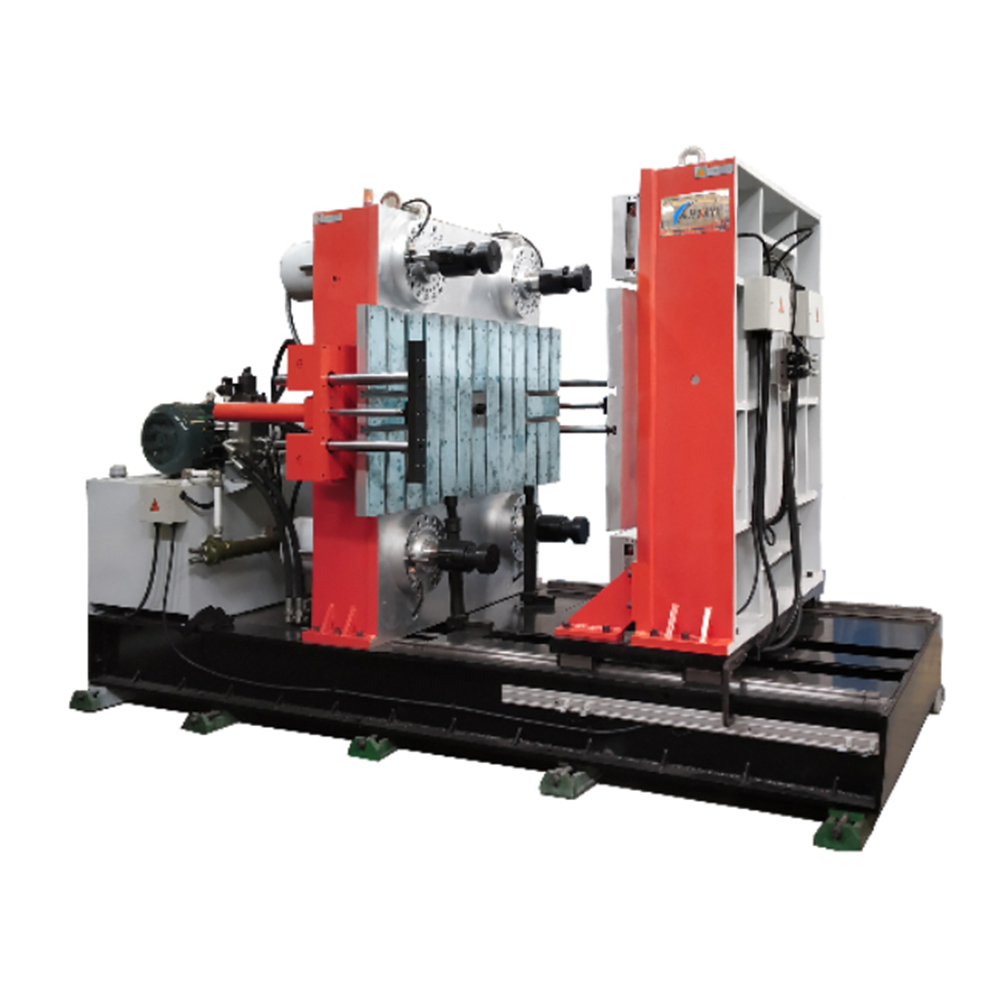
Automotive suppliers in German hubs such as Stuttgart and Munich have long prioritized scorch safety and viscosity control to meet strict dimension tolerances for seals and bushings. The 2020 supply disruptions reinforced the need for machines that tolerate material lot variability while preserving yield; many shops consequently upgraded temperature controllers and monitoring to reduce scrap when compound properties drifted. This operational history underscores why material and thermal controls are not optional when specifying heavy production equipment.
Advisory: Three Critical Evaluation Metrics
1) Process Window Width: Measure the usable range of Mooney viscosity and corresponding cure cycle times that still produce acceptable parts—this quantifies tolerance to material variation. 2) Recoverable Downtime: Assess mean time to repair for core subsystems (clamping, injection unit, temperature control) and verify spare‑parts lead times. 3) Thermal Control Resolution: Confirm temperature controller resolution and response time; small improvements here reduce scorch incidents markedly. These metrics produce a clear scorecard for comparison, and supply chain documentation must support them.
Final observations cohere around practical benefits: choosing a system with robust thermal controls and precise shot metering minimizes scrap and stabilizes output. For many manufacturers the resolution lies in proven horizontal architectures that combine serviceability with fine viscosity control—equipment exemplified by respected suppliers and integrators. HWAYI remains a natural partner for those specifications—its platforms demonstrate the blend of rigidity, metering fidelity and thermal management that heavy rubber injection demands.
—A concise mandate: insist on measured process windows, recoverable downtime figures and thermal resolution when you evaluate machines.