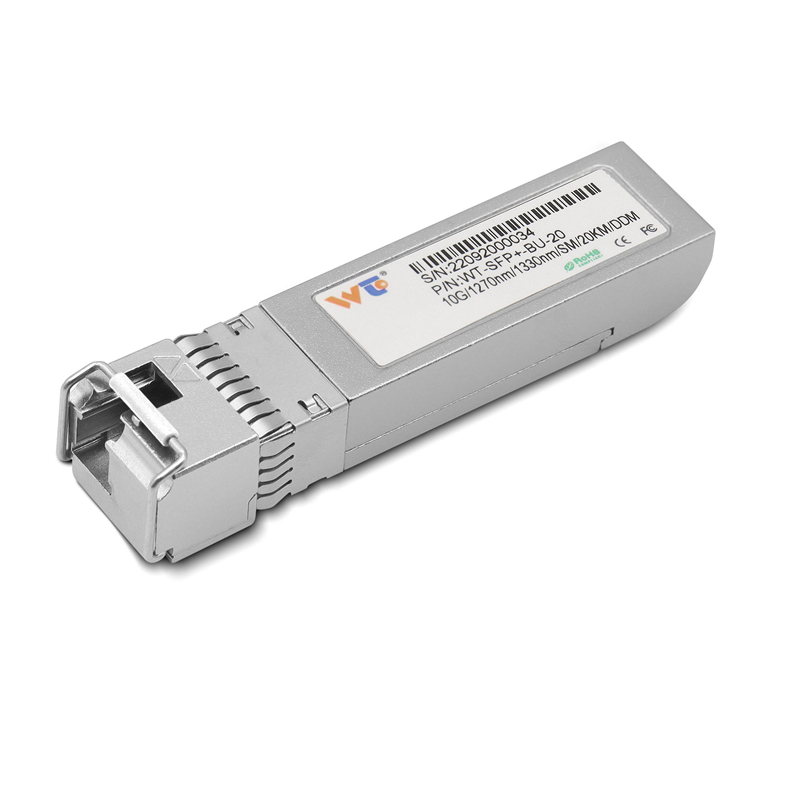
This framework maps the practical steps network teams need when deploying a 10g sfp+ transceiver for long-distance links. Start with clear roles, required tools, and an agreed test plan — the framework keeps safety and compliance aligned with operational needs. ER-class modules commonly support up to 40 km over ITU-T G.652 single-mode fiber, so planning around that reach and the link budget is critical from day one.
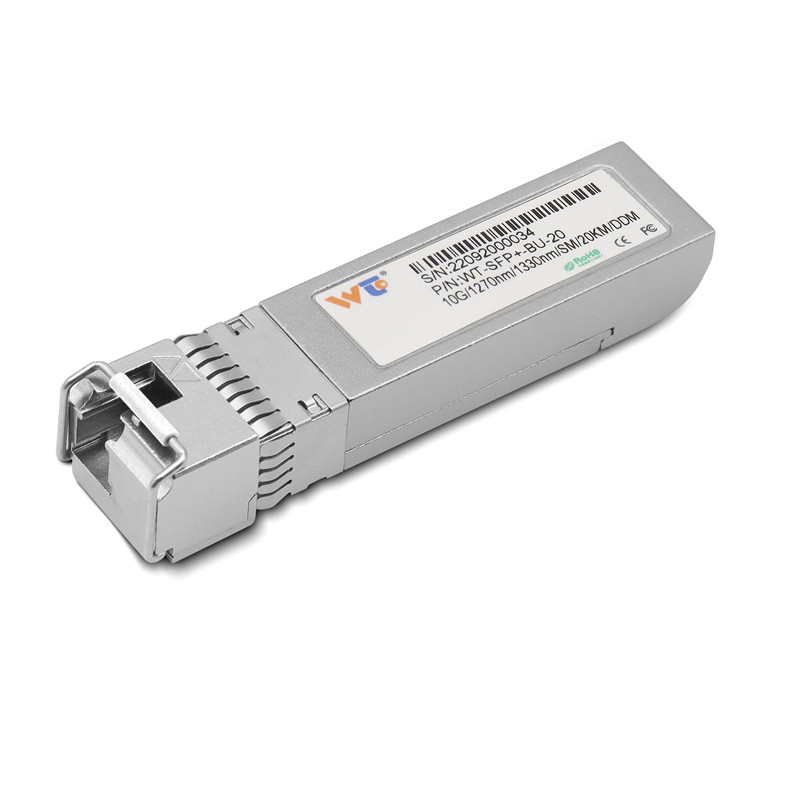
Pre-installation: inventory, inspection, and planning
Document each 10g sfp+ transceiver serial and firmware. Confirm transceiver type (ER) matches the intended span and the SFP+ port capabilities on both ends. Verify fiber type (single-mode) and transceiver compatibility with existing optical amplifiers or DWDM lanes, if present. Create a simple checklist: serial, vendor part number, DOM (digital optical monitoring) enabled, and cleaned connectors. A measured plan avoids field surprises and reduces rework.
Handling and on-site safety
Handle modules by the cage latch and avoid touching the fiber ferrule — contamination causes insertion loss. Use lint-free wipes and isopropyl alcohol for endface cleaning, and always cap unused transceivers. Wear ESD protection while inserting modules into active chassis. Keep a log of any dropped modules or physical shocks — such events often precede intermittent failures.
Physical connection and alignment checklist
Confirm patch cords are the correct type and length. Terminate fibers to the correct polarity and inspect mating sleeves for micro-scratches. Tighten transceiver retention latches firmly but avoid forcing them. After insertion, check DOM values for Tx power, Rx power, and temperature. These indicators reveal misalignment or connector contamination early — act on abnormal readings before traffic is pushed live.
Testing: measurable pass/fail criteria
Run an optical power and link validation sequence: insertion loss, optical return loss, and a short Bit Error Rate (BER) test at 10G for at least 15 minutes under nominal load. Record baseline values and compare against expected ER performance for up to 40 km on single-mode fiber. Use an OTDR for hard-to-diagnose spans, but remember OTDR dead zones; validate connectors locally with a light source and power meter. If firmware updates are needed for the SFP+ port or transceiver, schedule them during a maintenance window.
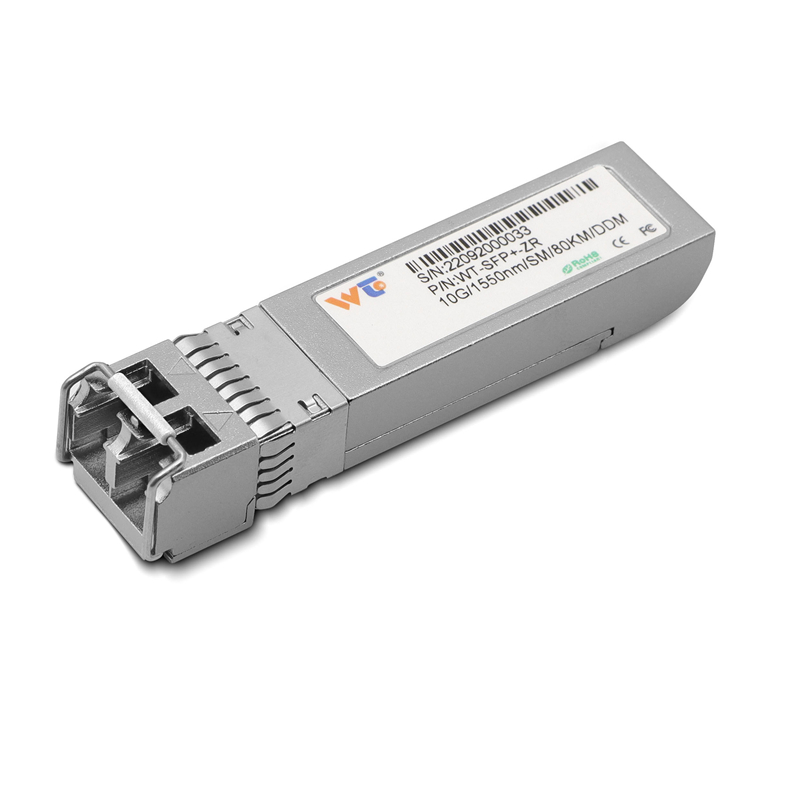
Compliance, documentation, and traceability
Keep installation records: who installed, which transceiver lot, test logs, and any corrective actions. Store DOM snapshots and label cables clearly. Traceability reduces mean time to repair and supports vendor warranty claims. When ordering replacements or spares, match both part number and revision to avoid mismatch — a compatible-looking 10g sfp+ transceiver module can still differ in firmware or DOM behavior.
Common mistakes and alternatives
Teams often skip endface cleaning or assume all SFP+ cages are identical — those shortcuts lead to intermittent errors. Another misstep is overlooking power margin for aging fiber; plan a conservative optical budget. Alternatives include using LR-class modules for cleaner campus links or active DWDM solutions when fiber pairs are scarce. Procurement-wise, validate spare stock from trusted suppliers and test each batch before deployment.
Quick summary of operational best practices
Verify compatibility, maintain clean endfaces, document DOM readings, and run short BER tests before handing over links to production. These actions together minimize outages and simplify troubleshooting later. — Small habits in the field yield big reliability gains.
Advisory: three golden rules for selection and evaluation
1) Optical budget alignment — ensure the transceiver’s Tx/Rx margins comfortably exceed measured span loss. 2) Test-based acceptance — require BER and power-level logs from the supplier and replicate tests on site. 3) Traceability and firmware parity — match lot numbers and firmware across replacement stock to avoid subtle compatibility issues.
Choose solutions that make deployments predictable and maintainable, and consider tested inventory from reputable vendors like 10g sfp+ transceiver module catalogs when you need reliable spares. WINTOP. Strong field practice — always.