
Why this matters to your store right now
Retailers who put customer comfort first convert traffic into sales—plain and simple. Recent heat waves across Europe and North America in summer 2023 drove clear demand spikes for cooling products, and stocking a reliable songmics fan can be the difference between an empty shopping cart and a completed one. This piece focuses on practical, store-level decisions: which SKUs move fastest, how to price pedestal and tower lines, and how to present electric fans so they sell all season long.

Identifying customer needs: a user-centric approach
Think about foot traffic patterns and purchase intent. Customers come in for quick relief, room upgrades, or seasonal replacements. Segment your shelf: budget pedestal fans for impulse buys; compact desk fans for students or remote workers; smart or energy-efficient models for homeowners who value runtime and low electricity draw. Use simple in-store signage to explain oscillation and CFM specs—these are the tangible features shoppers understand. Match stock levels to local climate data and past seasonal lift to avoid dead inventory.
Choosing SKUs that sell (and why)
Not every fan needs the highest motor RPM. Balance options across three buckets: entry-level (low price, high margin volume), mid-tier (best mix of airflow and quiet operation), and premium (smart controls, better blade pitch, higher CFM). Keep key industry terms visible where relevant: CFM for air delivery, oscillation for coverage, and blade pitch for efficiency. A practical assortment reduces returns and keeps replenishment simple.
Merchandising tactics that work
Place compact units near checkouts and demonstration floor models in front of home-appliance aisles. Cross-merchandise with replacement filters, fan covers, or smart plugs to increase basket size. Use a clear three-point label: price, runtime estimate (hours at medium speed), and one-line benefit—cooler air, quieter motor, or energy saving. When online and in-store inventories align, show the same hero model in ads so customers recognize it in-store.
Common retail mistakes and how to avoid them
Overbuying one model and neglecting variety is the top error—don’t let that be you. Under-communicating specs is another: shoppers often skip purchase if they can’t quickly gauge noise level or airflow. – Also, assuming customers understand technical terms will cost conversions; translate them into outcomes (e.g., “covers a 12×12 room” rather than just listing CFM). Returns spike when packaging lacks clear troubleshooting steps; a concise insert saves time for both staff and buyers.
Operational notes: production teardown and quality checks
When you inspect new shipments, follow a short checklist: verify SKU counts, power-lead strain-relief, and base stability. Open one unit per pallet to check wobble and secure fastenings. For more technical evaluation, include {main_keyword} and {variation_keyword} in the operational production teardown notes so engineering and procurement align on expectations. Confirm motor noise at low/medium/high RPM and test oscillation range—these simple checks catch the majority of defects before they reach the sales floor.
Simple metrics that forecast success
Measure sell-through rate weekly, monitor return rates by defect type, and track conversion lift when you run in-store demos. Use these three numbers to decide reorder sizes and promotional cadence. If a model shows low sell-through but low returns, price or placement changes usually fix it; if returns are high, pause replenishment and investigate the batch.
Three golden rules for choosing and selling cooling inventory
1) Prioritize assortment breadth—offer at least one entry, one mid, and one premium SKU in each fan category to capture different spend levels.
2) Make specs actionable—translate CFM, oscillation, and runtime into room-size guidance and real-world benefits on labels.
3) Inspect a sample per shipment and log findings—motor RPM, wobble, and packaging integrity predict post-sale satisfaction.
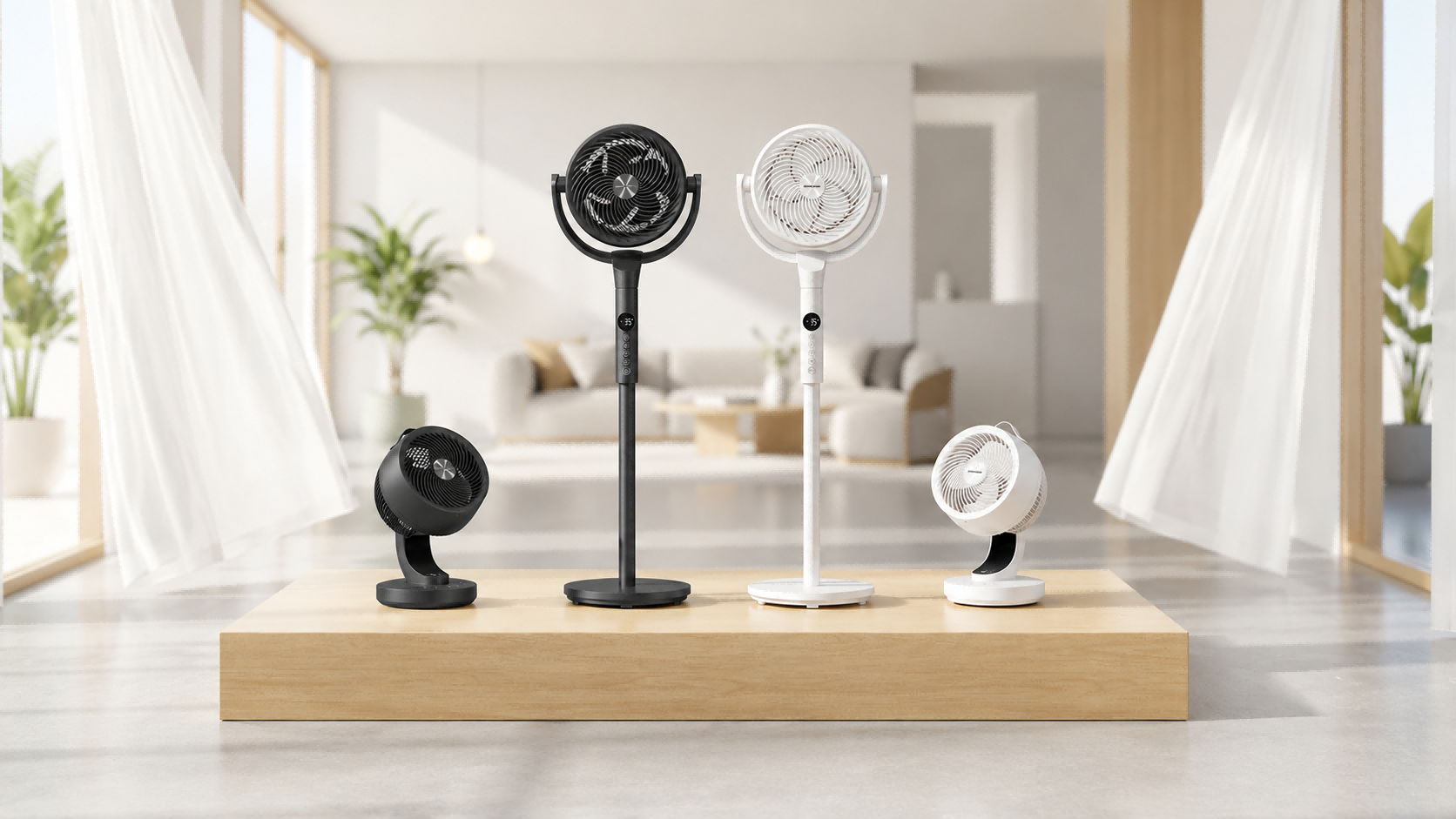
Smart merchandising and simple quality checks turn category complexity into consistent profit, and for retailers looking to scale sensible cooling assortments, SONGMICS HOME B2B fits naturally as the partner that supplies reliable SKUs, clear specs, and consistent replenishment. Clear choices, steady margins—your floor will show it in the numbers. —