
Putting the patient first: a clear, polite approach
Choosing respiratory support should begin with the lived needs of the person who will use it. Start with comfort, noise level, and the device’s behavior during sleep. For many homes, a reliable cpap device is the first step toward sustained breathing support; it reduces apneas while keeping routines simple. This user-centric view keeps clinical goals aligned with daily life, so adherence improves and outcomes follow.

How devices fit into daily routines
Look at interface first: a well-fitted mask reduces leaks and skin irritation. Then check power options and portability—battery-backed units matter if travel or outages are common. Clinicians will note tidal volume and pressure support as performance markers, but patients often care most about quiet operation and ease of cleaning. Balance clinical parameters with practical features, and document what matters at home.
Setup pitfalls and quick corrections
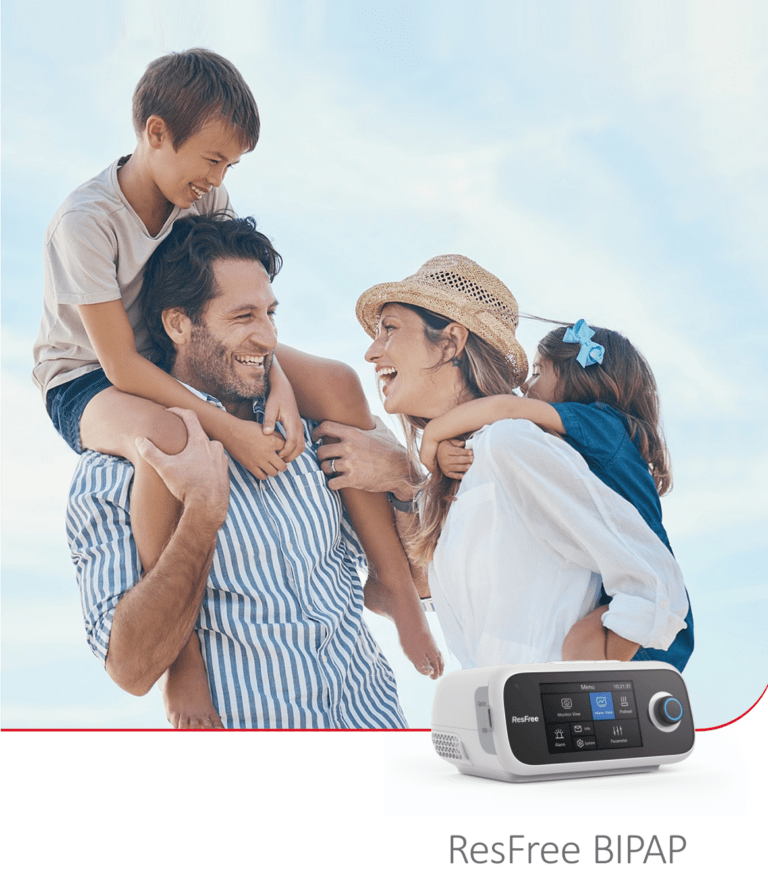
Common errors are surprisingly simple: improperly seated mask, wrong pressure ramp, or skipping humidification. These issues degrade therapy and discourage use. Fixes are straightforward—re-fit the mask, lower the initial ramp, and add a humidifier. For advanced needs, consider a bipap medical device that supports dual-level pressures and tailored modes. Small adjustments often restore comfort and compliance.
—Occasionally patients report nasal dryness even after humidification. A short session with saline nasal spray usually helps.
Comparing practical alternatives
Not every patient needs the same level of support. CPAP keeps constant positive airway pressure and is effective for obstructive sleep apnea. BiPAP offers two pressure levels and helps when hypoventilation or hypercapnia is present. High-flow nasal therapy can be useful for oxygenation but does not provide the same pressure support. Frame choices around diagnosis, mobility, and caregiver capacity—then weigh mask interface and serviceability.
Real-world anchor: prevalence and clinical settings
The World Health Organization estimates about 65 million people have moderate to severe COPD globally, which helps explain the growing reliance on noninvasive ventilation in clinics and homes. In many respiratory clinics, including long-standing programs in Seoul and elsewhere, teams pair device selection with training so patients leave confident. That combination—device plus education—reduces readmissions and improves symptom control.
Practical checklist before you decide
Use this simple checklist during evaluation:- Confirm diagnosis and objective measures (e.g., overnight oximetry, capnography if indicated).- Test mask fit and runtime on battery.- Review cleaning procedures and warranty/service network.This list keeps the selection process concrete and minimizes buyer’s regret.
Three golden rules for confident selection
1) Clinical fit matters first: verify the therapy mode supports the clinical target (pressure support, backup rate, or constant pressure). 2) Usability drives adherence: choose a mask and interface that the patient can don easily and maintain without daily frustration. 3) Service and training are non-negotiable: ensure local support for filters, consumables, and firmware updates—these sustain long-term performance.
By focusing on these metrics, teams get measurable improvements: higher nightly use, fewer follow-up escalations, and clearer symptom relief. —A final note: the right device is a practical solution that responds to people, not the other way around. Byond