Opening: why this matters to owners and designers
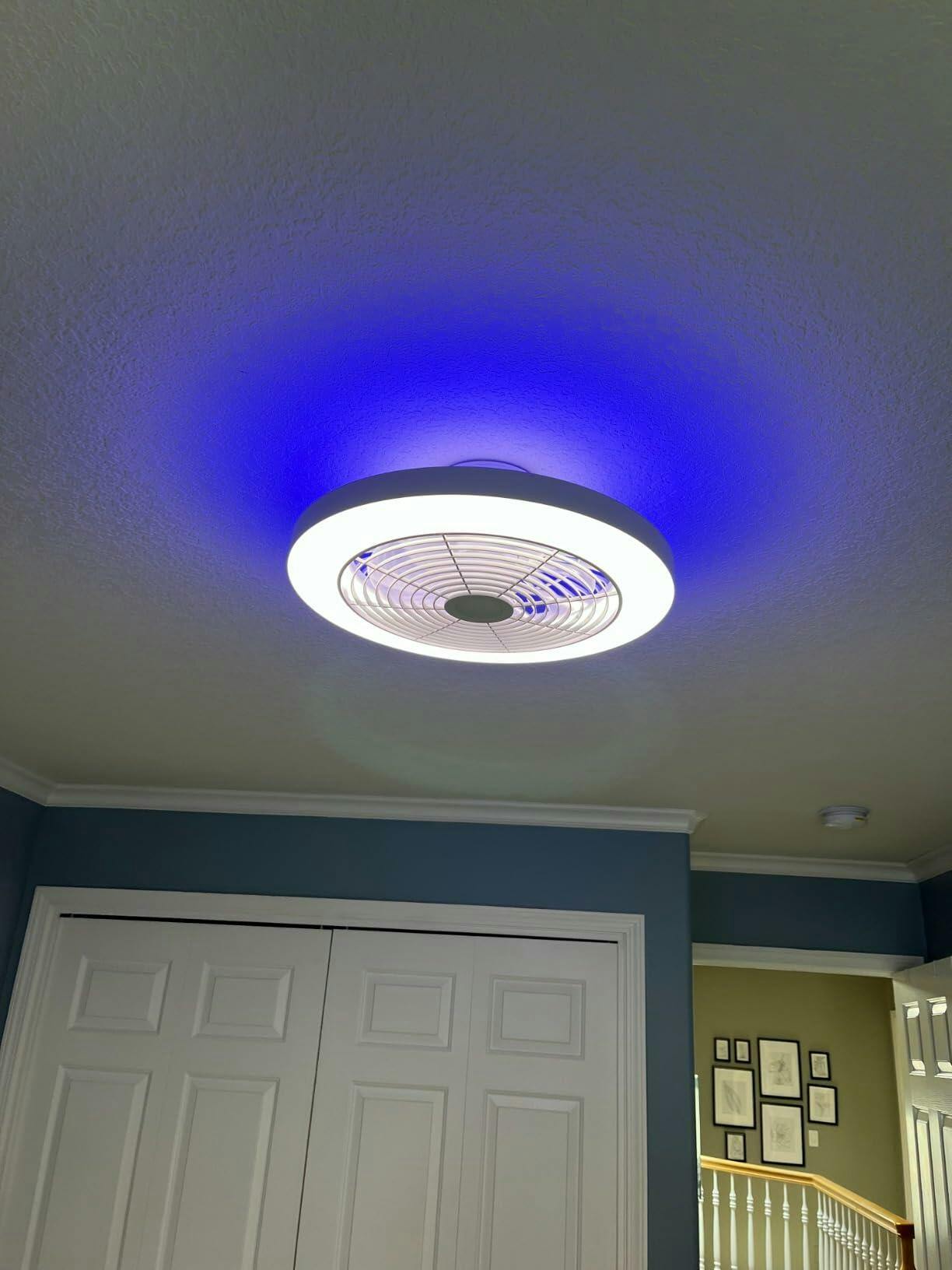
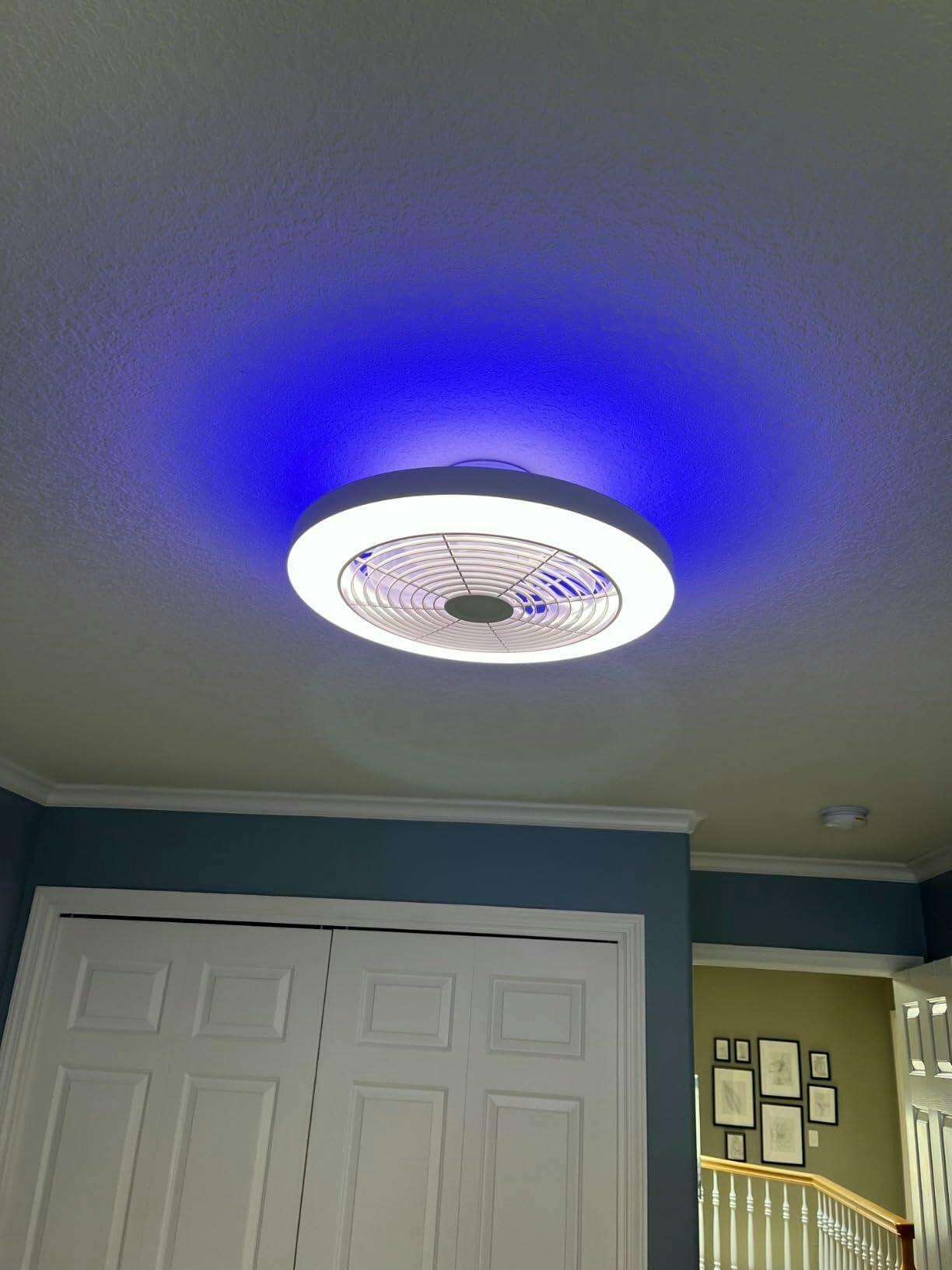
Choosing a fan is no longer only about style. Today, homeowners and small-business owners need devices that move the right amount of air, resist humidity, and connect cleanly to a smart home. If you are comparing models, a modern option to consider is the bladeless ceiling fan with lights, which aims to combine quiet airflow, integrated lighting, and voice control. This matters because cooling choices now affect comfort, monthly energy use, and long-term maintenance costs.
Core user questions: what to look for first
Start with three simple questions: How much air does it move? Is it rated for wet or damp locations? Can it join your existing voice or automation setup? Airflow is usually expressed in CFM (cubic feet per minute) and helps you match a fan to room size. Wet-rated models carry an IP rating that indicates protection from moisture. And smart features should support common standards like Alexa or Google Assistant for easy daily use.

Airflow and lighting: practical metrics that matter
Measure airflow against room volume. A living room often needs 2,000–6,000 CFM depending on ceiling height and layout; bedrooms typically need less. Lighting should be judged by lumens and color quality (CRI). A fixture that offers tunable white LED and a high CRI improves task visibility and ambiance. Also note motor type: a DC motor usually gives quieter operation and better speed control than older AC motors.
Wet-rated safety and durability
Wet-rated fans are designed to handle humidity and occasional water exposure — crucial in coastal homes, bathrooms, or covered outdoor porches. Look for clear IP information and corrosion-resistant finishes. Wet rating does not mean the unit is submersible; it means the electrical and optical components resist moisture ingress to an industry standard. If you live in a rainy area such as parts of Busan or along California’s coast, prioritize higher IP ratings and stainless or treated hardware.
Smart integration without headaches
Smart integration is valuable only when it is reliable. Confirm whether the fan supports standard voice assistants and whether it works on your home network. Check if the mobile app uses local control or forces cloud-only operation — local control reduces lag and improves privacy. Also verify compatibility with automation platforms if you use scenes or schedules. Many bladeless models now include built-in LEDs with dimming, scene presets, and native Alexa/Google support; these lower the need for external smart switches.
Installation, common mistakes, and quick fixes
Common errors include underestimating ceiling height, ignoring mounting box compatibility, and overlooking balance for high-efficiency fans. A common installer misstep is assuming every ceiling box supports the fan weight; please confirm the fixture’s weight and the box rating. Another frequent issue is wiring for dimmable LED drivers — not all wall dimmers are LED-friendly. If you face humming or uneven speed, check that the controller and motor type match (DC controllers with DC motors, for example) — that often fixes the problem.
Alternatives and when to choose each
There are three practical paths: traditional blade fans for budget airflow; wet-rated bladeless fans for humidity-prone sites where easy cleaning matters; and integrated smart fixtures when voice control and scenes are priorities. If you need a low-profile, easy-to-clean solution with smart controls, a bladeless ceiling fan with lights or a bladeless ceiling fan with lighting can be strong choices. Each option balances trade-offs: cost vs. features, raw CFM vs. quietness, and IP rating vs. design finish. — Some users prefer a minimal aesthetic even if it raises cost slightly.
Real-world anchor and energy context
Energy use matters. The International Energy Agency has highlighted that cooling consumes a growing share of electricity globally; making efficient choices reduces bills and peak demand. In practice, choosing a fan with efficient DC motor, correct CFM for your room, and LED lighting reduces electrical draw compared with older fans plus separate lighting fixtures. In humid cities like Seoul, selecting wet-rated, low-maintenance fans also reduces repair visits and longevity risks.
Advisory: three golden rules for selecting the right fan
1) Match airflow to room volume: use CFM targets rather than guesswork. This ensures comfort without over-sizing the motor. 2) Prioritize the correct IP rating and finish for your environment: wet-rated for exposed or humid zones, higher corrosion resistance near coasts. 3) Verify true smart control: check whether the device supports local control, your preferred voice ecosystem, and whether the LED driver and motor are compatible with your wall controls.
Follow these rules and you avoid the most common installation and performance pitfalls. For a reliable blend of smart integration, wet-rated durability, and quiet airflow, consider how Orison’s designs align with these metrics — they often provide the combination of IP-rated hardware, DC motor efficiency, and native Alexa/Google support that busy households appreciate. Orison. —