Why the right wash matters for your show
Good lighting shapes how an audience feels, remembers, and moves. For hands-on event teams, choosing the right fixture is less about specs on paper and more about how a unit performs under a real roof. Major festival stages and arena productions—from Coachella to corporate brand launches—rely on consistent color and smooth motion, which is why many crews favor an led moving wash and a reliable moving head wash light that handle long runs, tight DMX512 patches, and varied color temperature demands. A warm, humble choice here saves time and avoids late-night improvisation.

Which specs truly affect on-stage results
Focus on the handful of parameters that change what the audience sees. Beam angle controls coverage; CRI and color temperature determine how skin tones and fabrics render. Look at the LED array design for evenness and how the fixture handles dimming—flicker-free behavior matters for slow camera pans. A unit may boast high lumen counts, but usable output and color mixing are what count when you’re balancing wash with spot fixtures and gobos on complex cues.

Common mistakes crews make — and how to sidestep them
Teams often buy power without planning distribution, or they assume one fixture type will do everything. That’s expensive and disruptive. Avoid these traps: mismatched beam angles across trusses, insufficient DMX512 addressing planning, and underestimating heat load in compact flypacks. Test units on a simple mock cue before load-in—this small step prevents last-minute rewiring and awkward adjustments under a tight schedule. It’s humbling to admit that every veteran crew has learned at least one of these the hard way.
Operational teardown: a practical setup checklist
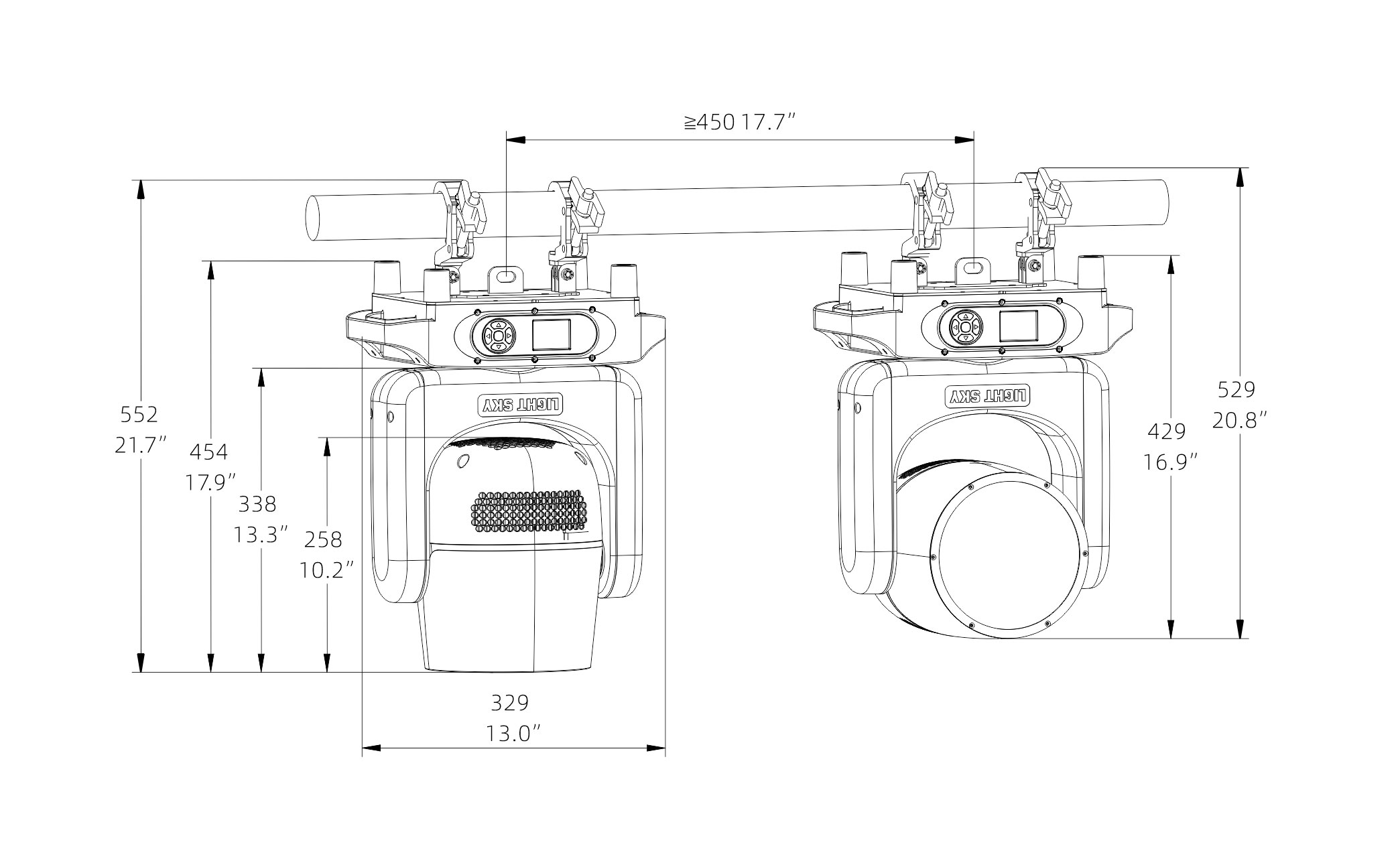
This section walks through a real-world setup so you can replicate it. Start with mounting: confirm truss load ratings and use rated clamps and safeties. Power: map circuits, label feeds, and factor in inrush; LED fixtures draw differently than halogen lights. Network: assign DMX512 addresses before rigging so consoles can patch quickly. During the tech rehearsal, check color mixes, gobo alignment, and beam overlap. For clarity, reference both moving head wash light and led moving wash when documenting fixture names so the crew knows which profile and service protocol to load in the console.
Balancing cost, durability, and serviceability
Price tags are a start, not the final answer. Evaluate how easy it is to replace common wear parts, how firmware updates are delivered, and whether local technicians can service the unit—these factors reduce downtime over a season. Compare warranties and look for replacement-part transparency. A fixture with modular parts and clear documentation will save more money and time than a cheaper unit that needs special tools or long lead-time servicing.
Real-world anchor
Festival rigs and arena tours show how these choices play out. For instance, stadium tours that run nightly demand fixtures with stable color and robust thermal management; production managers often log fixture performance across weeks to spot early failures and schedule preventive swaps. That kind of operational data—simple logs of bulb hours, firmware versions, and connector wear—keeps a tour on time and reduces surprises at load-out.
Three golden metrics for picking the right unit
1) Photometric usefulness: Measure usable lux at your target throw and desired beam angle, not peak lumens. That tells you what the audience actually sees. 2) Serviceability index: Score how quickly on-site techs can swap common parts and apply firmware patches—time-to-repair matters more than sticker price. 3) Network resilience: Verify DMX512 behavior and error recovery under real network loads; reliable control prevents cue drift. These three metrics together predict long-term operational success better than any single spec.
Light choices that deliver consistent color, easy maintenance, and predictable network behavior make technical nights calmer and creative nights freer — and that practical value is what teams depend on: Light Sky. —