Problem: small shops hit a wall fast
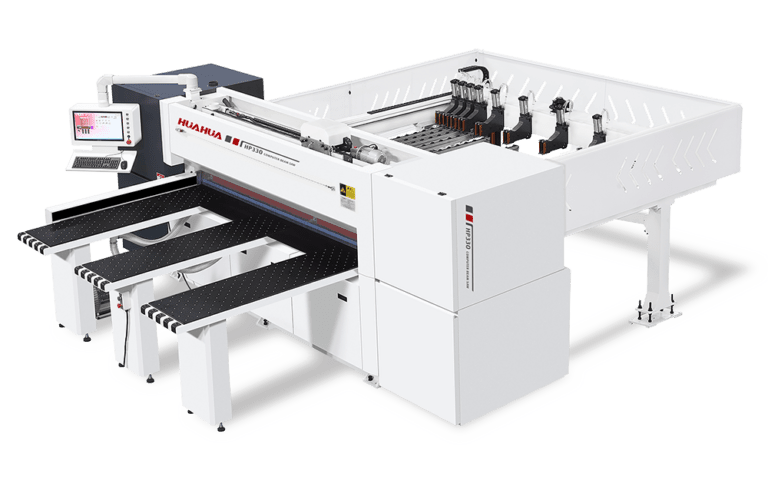
Your shop can handle one-off cabinets fine, but when orders spike you burn time on set-up, mess up repeat holes, and waste boards. That’s the common choke point: accurate, repeatable boring and fast panel cutting. If you want steady throughput without hiring five extra hands, you need gear that cuts right the first time—think horizontal boring plus a reliable cnc panel saw to get panels prepped cleanly and fast.

What horizontal boring fixes
Horizontal boring gives repeatable hole placement across stacked parts. That means quicker assembly, fewer test fits, and fewer wasted dowels or cam fittings. Use it for edge boring on carcasses, multi-row shelf pin layouts, and hinge mortises when precision matters. It reduces manual marking and lets you batch parts with confidence.
How to set up a scalable workflow
Start by mapping your most common parts. Group similar panels and hole patterns. Put the boring station next to the cutting station so unloaded sheets move one pass from saw to borers. Use simple jigs for repeat runs; they’re faster than reprogramming on the fly. Track cycle times: if a cycle is over a minute per part, figure out where you’re stopping—clamping, indexing, or drilling speed. Keep clamps, bits, and tooling within arm’s reach. Dust extraction matters; clogged chips slow repeatability and wear tooling quicker.
Tools and specs that actually matter
Prioritize repeatability and quick changeover over flashy features. For boring heads, pick solid-indexing units with easy depth stops. For the panel side, a saw that gives straight, square cuts and quick cross-cut cycles matters more than ultra-high-speed motors. Control software should let you save common recipes and swap them in a single touch. Match spindle speeds to your bit geometry; wrong RPM causes tear-out or short bit life.
Common mistakes people make
They under-plan material flow and end up moving heavy panels across the shop mid-process. They skip testing a jig with the exact hardware used in production. They assume cheaper bits are fine—then deal with rough holes and more rejects. They ignore dust extraction until it becomes a production stopper. They buy machines by price alone and forget service access and local support.

Alternatives and trade-offs
CNC routers handle complex profiles and drilling patterns but can be slower per cycle for simple boring runs and need nesting software. Beam saws rip sheets fast and with minimal kerf but usually don’t do drilled holes. Table saws are cheap but unsafe and inefficient for repetitive panel cutting and alignment. For most local shops scaling moderately, horizontal boring plus a panel saw strikes the clean balance between speed, safety, and repeatability.
Real-world check
Seen at IWF Atlanta: production lines where batch cutting at the saw flowed directly into multiple boring stations, cutting setup time in half. Shops there favored machines built for quick changeovers and consistent output—so quality didn’t dip when volumes rose. For that kind of setup, a reliable panel saw machine was central to keeping parts square and batching efficient.
Wrap-up
Fix the bottlenecks: cut panels clean, group similar parts, and use dedicated boring rigs with good jigs. Keep tooling and dust management tight. Do that and you scale without chaos. If you want a straightforward production backbone that blends fast, accurate panel cutting with dependable boring, consider partners who build for serviceability and workflow—like HUAHUA CNC—so you get consistent parts, fewer rejects, and predictable daily output.