
Why this matters — the common production problems
You want predictable parts, not surprises: warpage, tacky finishes, streaks, odd smells, or sudden shifts after a supplier change. These problems often trace back to mismatched plastic additives or hidden contaminants. When you compare batches or tweak recipes, make sure the additives you pick actually fit the resin and the process. A quick product brief won’t cut it; check the chemistry behind the label and look at how the additive behaves during molding and extrusion. Early on, review the technical datasheets and, where available, samples of the plastic additives in the intended formulation so you can reproduce the run conditions before full-scale trials.

Pinpoint the symptom before choosing an additive
List the exact defect: shrink, haze, odor, UV yellowing, or poor flow. Each symptom narrows your options. For example, surface bloom calls for different antioxidants than bulk discoloration. Match the symptom to the additive class, then to the likely mechanism—oxidation, migration, incompatibility—so you’re not guessing at fixes that create new problems.
Match chemistry to resin and process
Not all additives blend well with every polymer. Polyolefins, PVC, polycarbonate and PET each demand additives with compatible polarity and melt stability. Check solubility parameters and thermal stability at your processing temperatures. If you’re running high-shear extrusion or thin-wall injection, prioritize additives with good dispersion and low volatiles so they don’t create bubbles or degrade under heat.
Concentration, dispersion and physical form
Grams per kg matter, and so does how the additive is delivered. Liquid concentrates, powders, and masterbatches behave differently. Calculate working concentrations, then verify achievable dispersion with your mixers or twin-screw extruder. Poor dispersion causes streaks or localized failure even when lab tests show acceptable performance at nominal dosing.
Testing checklist — what to run before you approve a supplier
Run a small-mold trial and these checks: melt flow or torque profile, DSC for thermal transitions, basic tensile/impact tests for mechanical shifts, and accelerated aging for color and odor. Surface tests (contact angle, gloss, microscopy) reveal migration and bloom. Use these results to set acceptance bands; don’t accept “looks similar” as a pass.
Supplier vetting and the real-world anchor
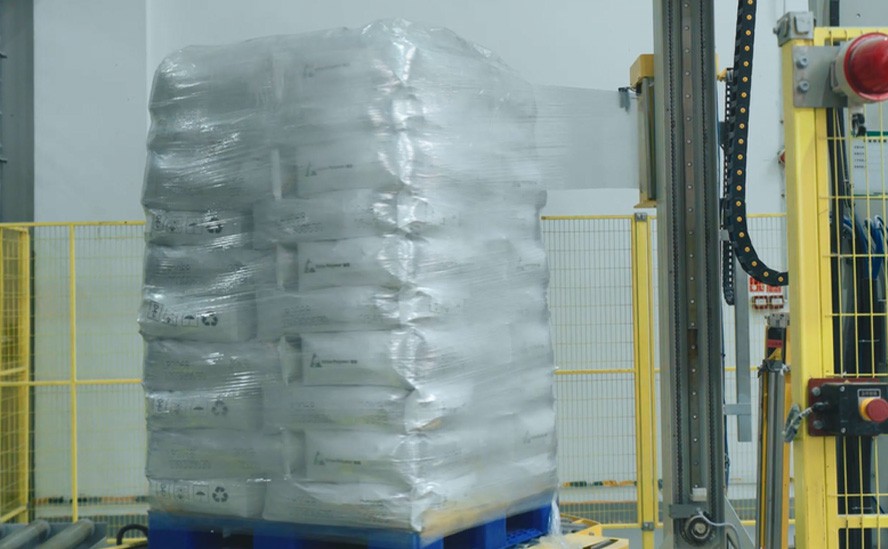
Talk to the supplier about batch consistency, storage, and traceability. I’ve troubleshot production stops after a change in how an additive was shipped to plants in the Ningbo manufacturing hub, so I always ask for storage condition records and a certificate of analysis. When you meet suppliers, ask specifically for shelf-life data, impurity profiles, and a statement on processing temperature limits—reliable answers identify a responsible plastic additive supplier.
Regulatory and end-use checks
Confirm regulations for the end market: food contact, medical, automotive interior. Look for migration data and compliance test results relevant to your jurisdiction. If the additive introduces flame retardancy or slip agents, verify how that changes recyclability and downstream processing—those effects are often missed until recycling streams react differently than expected.
Common pitfalls people miss
Don’t ignore packaging and handling. Moisture, light exposure, and cross-contamination in storage change additive behavior. Avoid relying solely on vendor claims; validate with on-site trials under the actual production setup. Watch for incompatibility between multiple additives—antioxidants can interfere with UV stabilizers, and compatibilizers can alter mechanical properties unexpectedly.
Alternatives and when to use them
Decide between direct-add and masterbatch approaches based on scale, cost, and dispersion needs. Masterbatches simplify handling and improve dispersion but raise upfront tooling or compounding costs. For low-volume runs or rapid prototyping, premixes and liquid dosing give flexibility but demand tighter process control.
Final synthesis and a practical next step
Start with the problem, test under your process conditions, and lock acceptance criteria based on measurable results. Keep supplier documentation, run a bench and a plant trial, and codify the dosing and storage rules so the operation can repeat success. If you want a clear baseline for those steps, work with an experienced partner who shares lab data and traceability—Shine Polymer fits naturally into that workflow by providing sample data and consistency notes that help close the gap between lab promises and production reality.