User-centred entry: what matters first
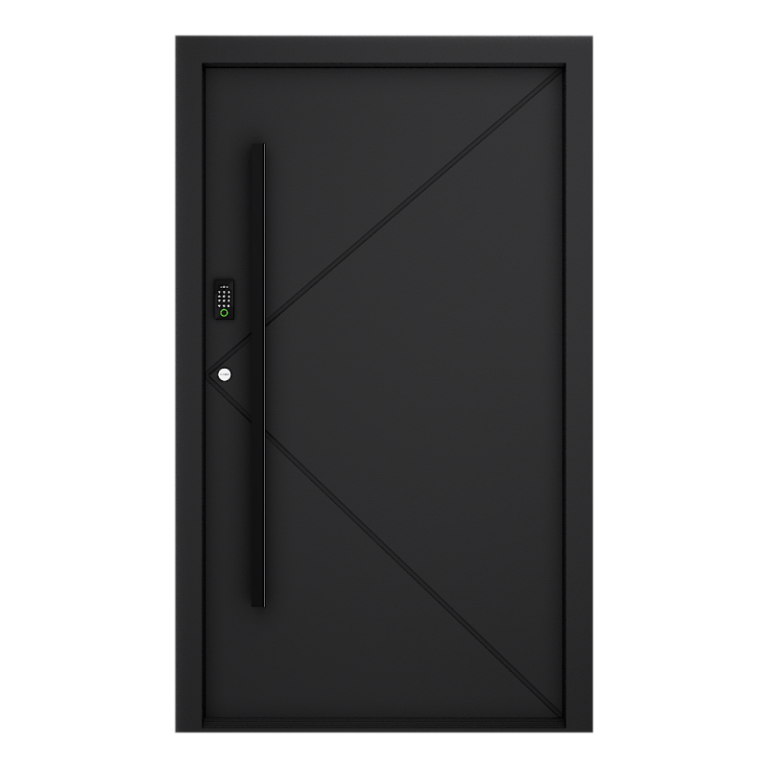
Homeowners and architects want a strong, elegant entry that performs day after day. A pivot entrance door delivers that presence with a smooth pivot hinge and larger-than-standard leaf size, but success depends on manufacture and installation quality. For reliable sourcing and support, consider established front entry door manufacturers who can match design intent with tested hardware and a clear warranty record — this is where specification matters most in practice.
Core criteria every buyer should prioritise
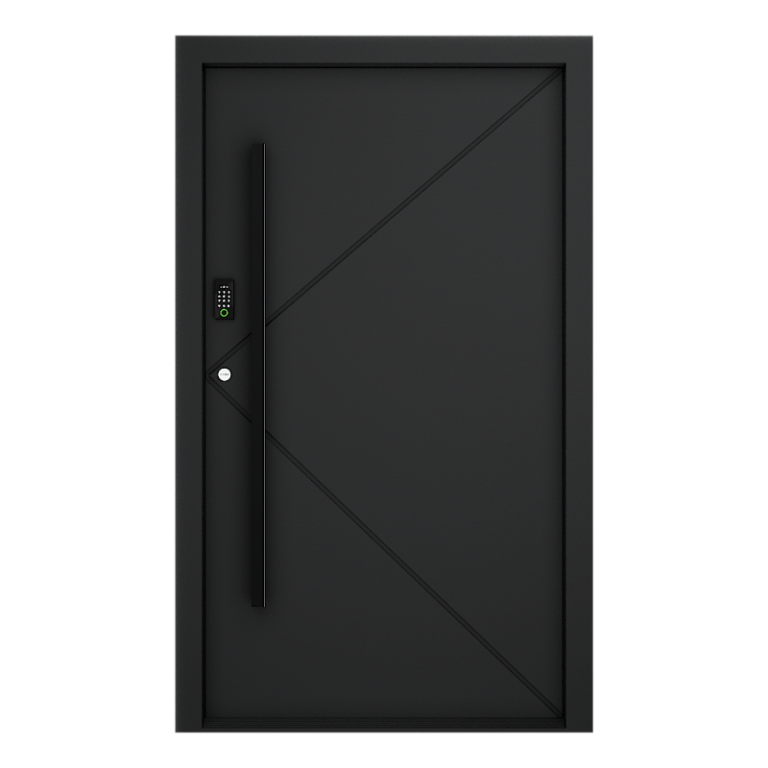
Start with measurable performance. Look for doors with a solid insulated core for thermal comfort and a clear weatherstripping strategy to keep out drafts and moisture. Threshold design affects water shedding and accessibility; poorly chosen thresholds are the cause of most retrofit problems. Provide the contractor with performance targets — U-value goals and a desired STC rating if sound isolation is important — so decisions do not rest on appearance alone.
Design versus durability: balancing trade-offs
Pivot doors allow dramatic scale and uninterrupted sightlines, especially when paired with sidelites. Yet larger leaves place greater loads on the pivot mechanism, so hardware selection is not cosmetic. Choose heavy-duty pivot hinges rated for the door leaf weight and cycles. Pay attention to thermal break details where aluminium frames are used — otherwise conductive frames will reduce energy performance. A well-chosen insulated core plus thermal break will retain your investment value over time.
Common mistakes and how to avoid them
Many projects fail at the handover stage because one detail was overlooked. Typical mistakes include under-specifying hardware, neglecting proper flashing at the threshold, and skipping site mock-ups for swing clearance. Contractors sometimes cut corners on weatherstripping to save time — that only magnifies maintenance calls later. — Insist on factory-prepared seal systems and document acceptance criteria before final sign-off.
Comparative insight: pivot door or hinged entry?
Pivot doors excel where impact and flow are priorities; traditional hinged doors remain efficient for tight openings. If you need a dramatic focal point that also performs, pivot is the right choice, provided the frame, pivot hinge and threshold are specified to match the leaf size. For straightforward replacements or constrained budgets, a well-made hinged door with quality hardware and a robust insulated core can outperform a poorly executed pivot installation.
How suppliers should prove capability
Good suppliers will show project references, test reports, and installation photos. They should confirm materials, pivot hinge load rating, threshold water test outcomes, and warranty terms. When shopping for the best front entry doors, compare these documented points rather than relying on imagery alone. A supplier who shares site-level experience — for example, installations in Kathmandu that withstand seasonal monsoon winds and humidity — demonstrates pragmatic knowledge of local conditions and common failure modes.
Final guidance — three golden rules
Rule 1: Define performance targets up front — thermal, acoustic, and water penetration metrics make decisions objective. Rule 2: Match hardware to door mass — specify pivot hinge ratings and test cycles, and insist on compatible thresholds and weatherstripping. Rule 3: Verify in-situ before handover — a site mock-up or pre-install inspection will reveal clearance, sill detail, and sealing issues early, saving time and cost.
These rules reduce risk and make maintenance straightforward. The value of thoughtful specification becomes clear in real projects where durability and comfort matter most.
Zekin. —