Opening: The Problem First
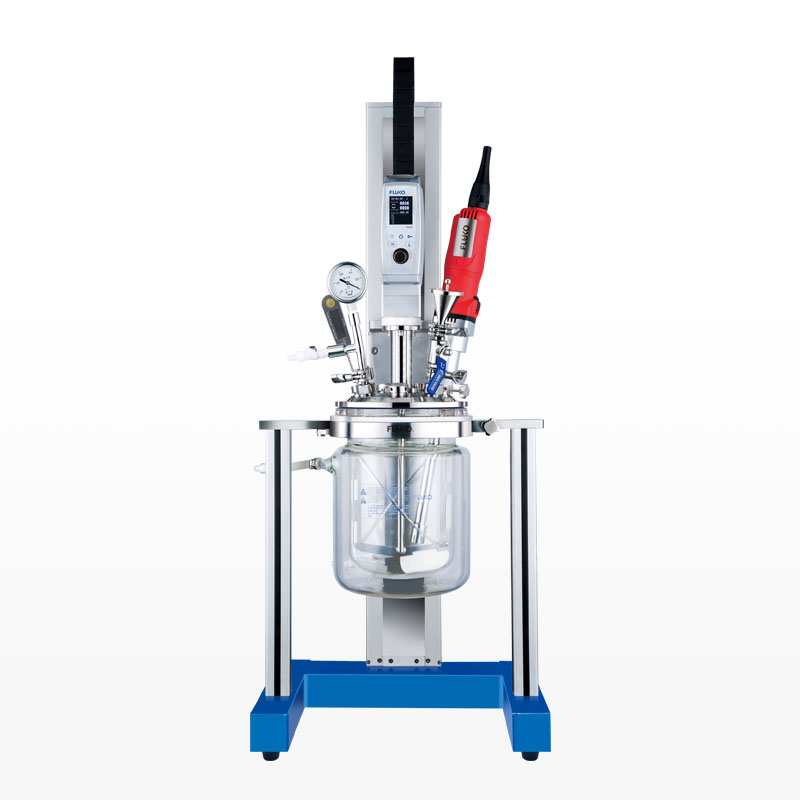
Small recipes that work in the lab often fail when scaled to production: inconsistent droplet sizes, incomplete dispersion, and batch-to-batch drift. When teams face these issues, a targeted change can be enough. For processes where shear and controlled entrainment are critical, engineers frequently move from static tack to dynamic solutions such as the Jet Mixer, which integrates into existing piping with minimal footprint and predictable shear delivery.
Diagnosing the Core Failures
Look for measurable symptoms: widening particle size distribution, longer settling time, higher power draw at steady state. Measure three things first—energy per volume, residence time, and temperature rise. These metrics reveal whether the issue is insufficient local shear, poor recirculation, or thermal degradation. Record simple, repeatable data. That will direct the correct intervention.
Experience, Evidence, and Trust
Practical field work shows patterns: rapid scale-up failures often come from underestimated residence time or poor injection geometry. At major industry events such as ACHEMA in Frankfurt, process engineers and OEMs review real demonstrations of mixing modules and report the same lessons. Engineers who specify a fluid jet mixer cite predictable droplet control and easy integration as decisive factors, supported by comparative lab-to-pilot studies and factory acceptance tests.
Practical Remedies and When to Use Them
Choose actions that match the diagnosed cause. If shear is lacking, consider inline jet or rotor-stator units. If dispersion is uneven, add controlled recirculation loops with well-placed inlets. If cleaning is the pain point, prefer sanitary designs with smooth welds and minimal dead legs. Keep pump sizing conservative to avoid cavitation. Implement one change at a time and verify with the earlier three metrics.
Common Pitfalls to Avoid
Do not scale by geometry alone. Avoid increasing impeller speed without checking local energy densities. Do not ignore entrained air; it changes viscosity and apparent mixing. Do not rely solely on visual checks—use particle-size or turbidity measures. And do not skip a simple materials compatibility review; chemistry and surface finish matter for reproducible wetting.
Alternatives and Short Comparisons
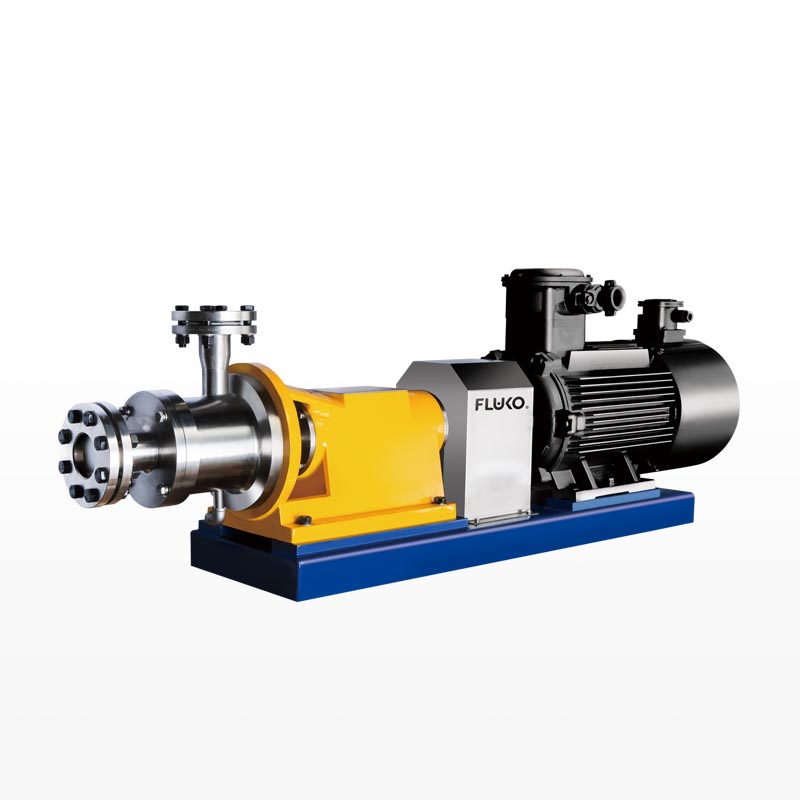
Jet mixers deliver focused shear and low footprint, good for recirculation loops and inline dispersion. Rotor-stator systems give continuous high-shear across a broad range and suit viscous products. High-pressure homogenizers produce fine emulsions but demand higher energy and maintenance. Select by target droplet size, allowable energy input, and cleaning needs.
Conclusion
Address the precise failure mode rather than swapping hardware at random. Measure energy, residence time, and temperature; apply the smallest targeted change that corrects those metrics; verify with direct particle-size data. For many plants this logic leads to compact, integrable solutions that bring lab behavior back to the line—practical choices that align with the expertise embodied by FLUKO.