What’s the real problem for formulators?
Formulators constantly juggle cleaning power, gentleness, mouthfeel, and cost — and that tug-of-war shows up in finished toothpaste that’s either too gritty, too weak on stains, or too expensive to sell. Manufacturers looking to balance these usually test different abrasives and thickeners; one common choice that keeps coming up is silica. For example, when switching from coarse carbonates to finer abrasives, teams often consider hydrated silica in toothpaste because it smooths texture while still removing plaque and light stains. Simple as that: you want effective cleaning without customers saying “ang anghang” or noticing scratches on enamel.
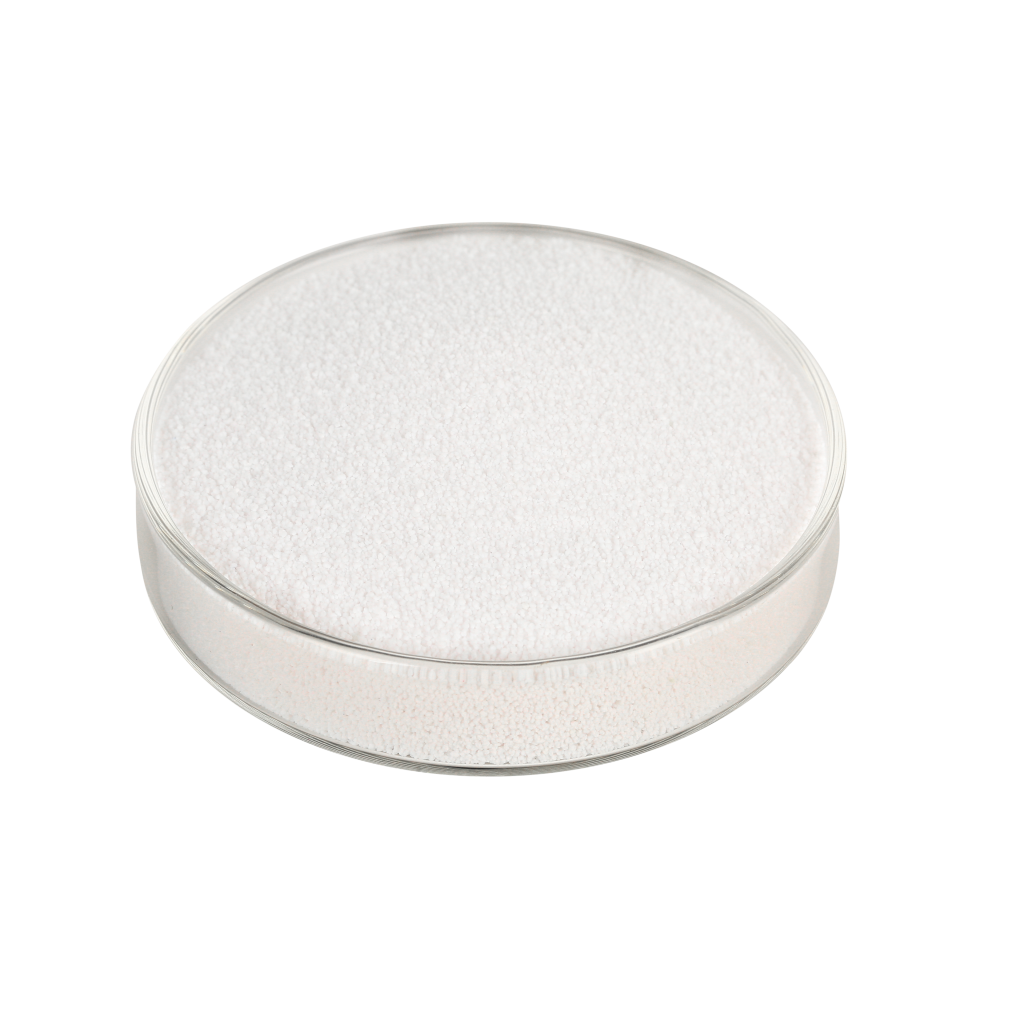
How precipitated silica solves specific trade-offs
Precipitated silica gives you tunable abrasivity. Manufacturers can select particle size and surface area to hit target RDA (Relative Dentin Abrasivity) values while keeping polish and foam behavior predictable. It controls viscosity less aggressively than many fillers, so formulators don’t have to overcompensate with thickening systems. The result: a paste that spreads easily, tastes right, and cleans without leaving teeth feeling rough or producing excessive grit in the tube.
Experience and authority — how industry testing grounds choices
Dental labs and oral-care formulators rely on standardized abrasivity testing — notably RDA protocols recognized by ISO — to set safe, repeatable limits for abrasives. That test culture is widespread in product approvals and research, and it’s why a chosen abrasive must be specified by particle metrics, not marketing claims. My notes from working with Southeast Asian toothpaste manufacturers show that teams routinely benchmark against ISO RDA ranges before scaling. For practical reading and supplier briefs, look into how precipitated silica in toothpaste performs in those tests; the material’s particle control is what keeps RDA predictable and formulations repeatable.

Common formulation mistakes and how to avoid them
First mistake: treating all silicas as interchangeable. Don’t. Surface area, porosity, and particle shape change how the slurry behaves with surfactants and humectants. Second mistake: ignoring rheology when switching abrasives; a silica with higher oil absorption will thin a paste unless you adjust polymer levels. Third mistake: skipping early RDA checks; assume nothing about abrasivity until you test a prototype. Fixes: specify BET surface area and median particle size from your supplier, run small-batch RDA and viscosity checks, and keep your surfactant and binder levels adjustable in pilot runs.
Alternatives and quick comparisons
Hydrated silica (a related but different material) is gentler in texture but sometimes less efficient at removing stains per weight. Calcium carbonate is cheap and aggressive on stains but risks higher abrasivity and stability issues with fluoride. Baking soda is a niche ingredient for whitening branding but can destabilize flavor and foam. If you need consistent polish with a narrow RDA window, precipitated silica is often the best compromise between performance and control.
Buying checklist — what to ask suppliers
Request particle size distribution, BET surface area, moisture content, oil absorption number, and recommended loading ranges for typical fluoride systems. Ask for RDA data from finished-form prototypes rather than just raw-material claims. Confirm storage and handling limits: silica can cake if stored wet, so suppliers who provide drying and packaging guidance save you headaches. Clarify lead times — local demand surges in ASEAN markets can stretch delivery, so plan orders with buffers.
Final synthesis
Stop choosing abrasives by price alone. If you need consistent cleaning, predictable RDA behavior, and a pleasant paste feel that customers in the market will accept, move toward silica grades specified by particle and surface metrics — that’s how teams reduce reformulation cycles and consumer complaints. For those working on supply and specs, that practical alignment is exactly what JSJ Silica documents in their material sheets and pilot support, helping turn a noisy materials decision into a repeatable production plan.