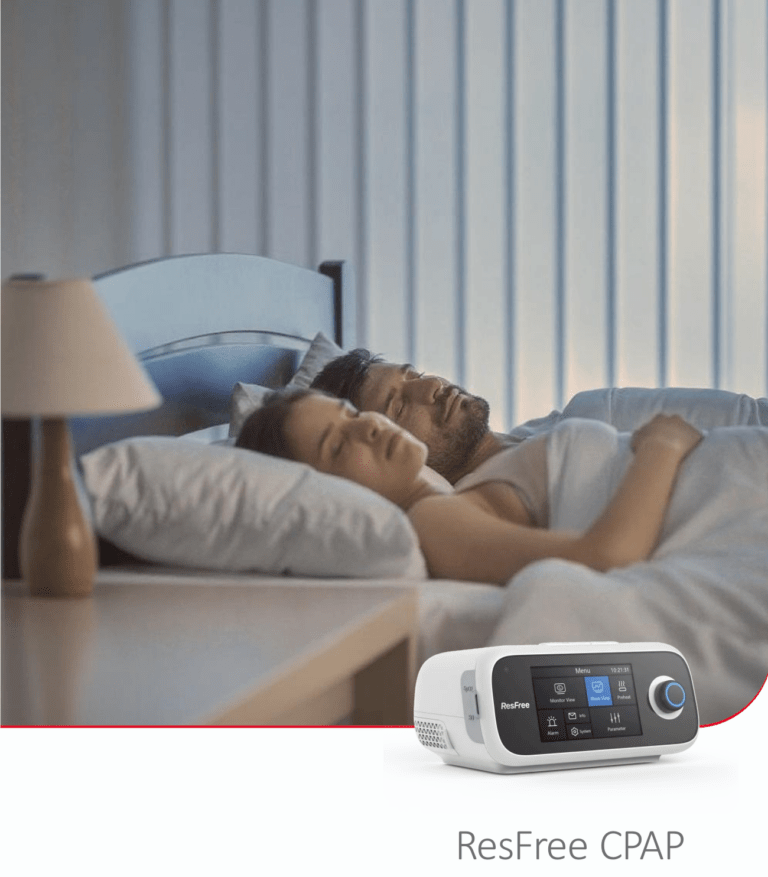
Immediate context for clinicians and patients
Choosing a new respiratory device supplier starts with use, not hype. Clinicians and home users need machines that deliver consistent pressure support, clear device telemetry, and predictable maintenance cycles. Early adopters will appreciate straightforward documentation and field-proven performance; this is why many teams still compare any candidate to a trusted cpap device baseline when assessing therapy interoperability and mask interface compatibility.
User priorities: what matters day-to-day
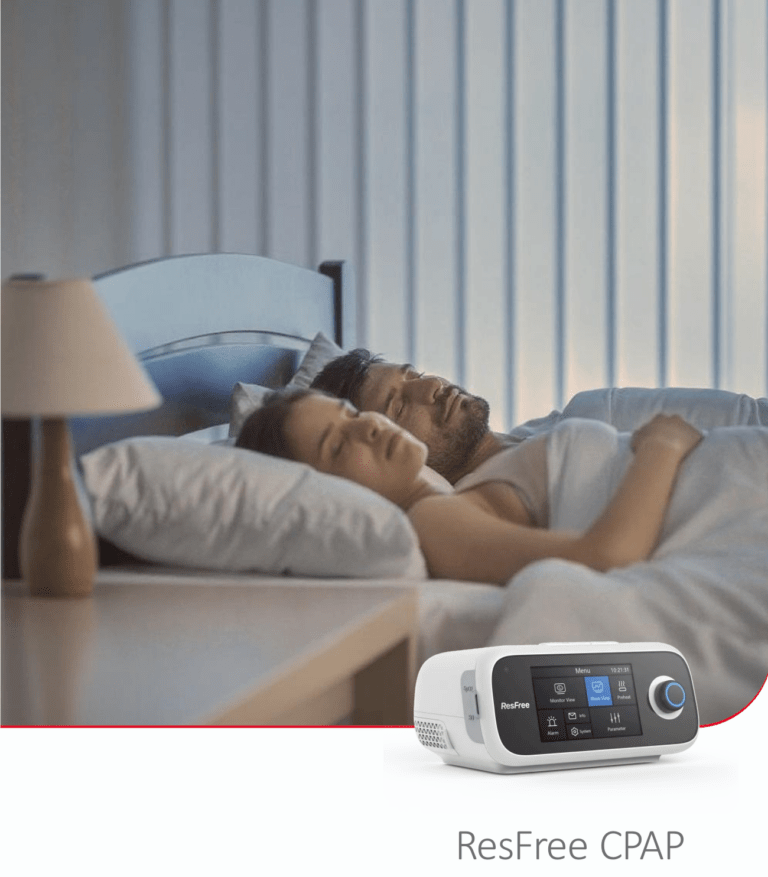
Practical priorities cluster into three areas: therapy effectiveness, ease of use, and service. Effectiveness is measured by residual AHI values and how reliably the device maintains target pressure across sleep stages. Ease of use covers setup, alarm clarity, and whether auto-titration behaves predictably for variable breathing patterns. Service covers warranty terms, spare-part logistics, and on-site calibration windows. Users consistently report that a compact machine with simple controls reduces abandonment rates; small design choices matter.
Common selection mistakes to avoid
Buyers often commit to a supplier based on price or glossy brochures alone. That is a mistake. Overlooking data export formats and remote-monitoring protocols leads to integration problems later. Ignoring local repair turnaround time creates downtime for patients. Accepting ambiguous warranty language about “wear and tear” can shift costs unexpectedly. — Consider field training availability as a non-negotiable line item in any contract.
Comparing technical features without getting lost in jargon
Focus on metrics you can verify on delivery: pressure stability across 4–20 cmH2O, documented performance of BiPAP algorithms under leak conditions, and the frequency of forced firmware updates. Check for a clear approach to mask leak compensation and how the device reports leak in the logs. A reliable device will provide raw flow traces and event markers so clinicians can audit therapy and confirm AHI trends rather than rely on summarized scores alone. Industry terms such as BiPAP and CPAP should serve as functional checks, not status symbols.
Real-world anchor: prevalence and clinical expectations
Clinical demand is concrete. According to the American Academy of Sleep Medicine, roughly one in five adults has at least mild obstructive sleep apnea, and about one in fifteen has moderate to severe disease—numbers that drive procurement cycles in hospitals and clinics. When a supplier meets those clinical volumes with responsive spare-part logistics, the result is fewer therapy interruptions and better population outcomes. For primary care and sleep centers scaling home treatment, a turnkey solution that supports remote adherence monitoring and clear escalation paths is essential—this is why choices around bipap for osa matter beyond a single patient.

Alternatives and trade-offs worth noting
High-end manufacturers offer advanced auto-titration and integrated cloud platforms; smaller suppliers often win on price and customization. Consider the trade-offs: cloud platforms simplify data review but create dependency; local-only logging gives control but increases clinician workload. Evaluate spare-part portability, interchangeability of mask interfaces, and the supplier’s training program. Small clinics may prefer a vendor with rapid local support. Large centers may prefer standardized remote telemetry and batch firmware management.
Three golden rules for selecting a supplier
1) Verify measurable therapy performance: request factory test logs showing pressure stability and leak compensation under standard protocols. 2) Confirm service footprint: written service-level agreements with maximum repair turnaround and guaranteed spare-part availability. 3) Demand transparent data access: open export formats and raw flow traces so clinicians can validate residual AHI and therapy efficacy.
These rules translate into fewer surprises during deployment and clearer outcomes in follow-up audits. — A practical supplier partnership reduces clinical overhead and supports continuous improvement.