A comparative history and present-day choices
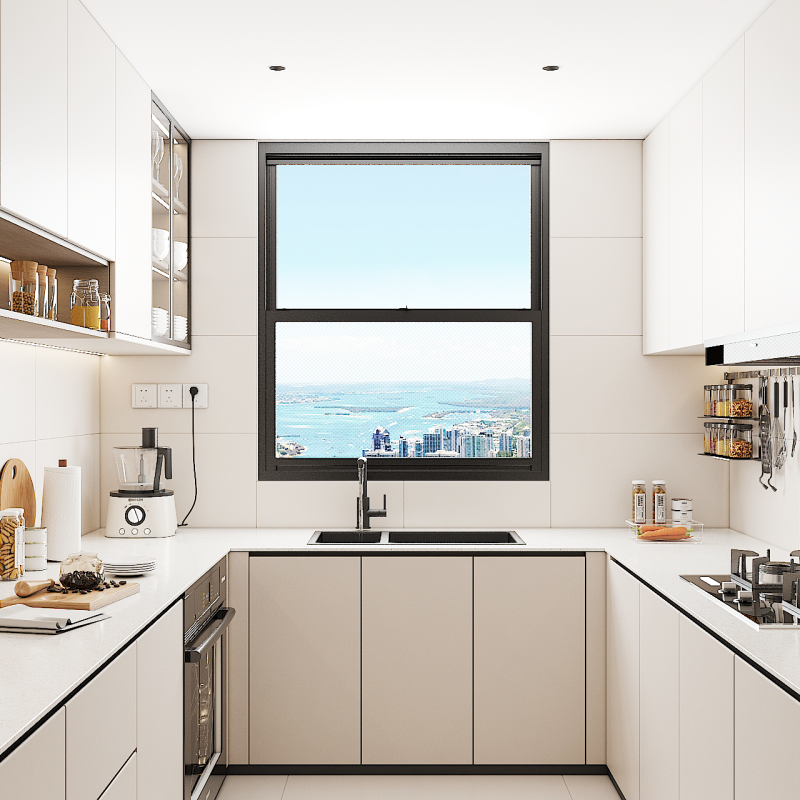
The evolution of window systems has long been a dialogue between form and function, and the aluminium sliding window occupies a decisive chapter. From mid-century façades to contemporary mixed-use blocks, architects chose aluminium for its slender profiles and robust extrusion—qualities that still matter. For builders seeking reputable sources, consult the best aluminum window manufacturers to match specification with supply. This comparative piece sets the stage, contrasting sliding assemblies with alternatives, notably the awning solution favored in wet climates and tight openings.
Performance: thermal, air, and weather considerations
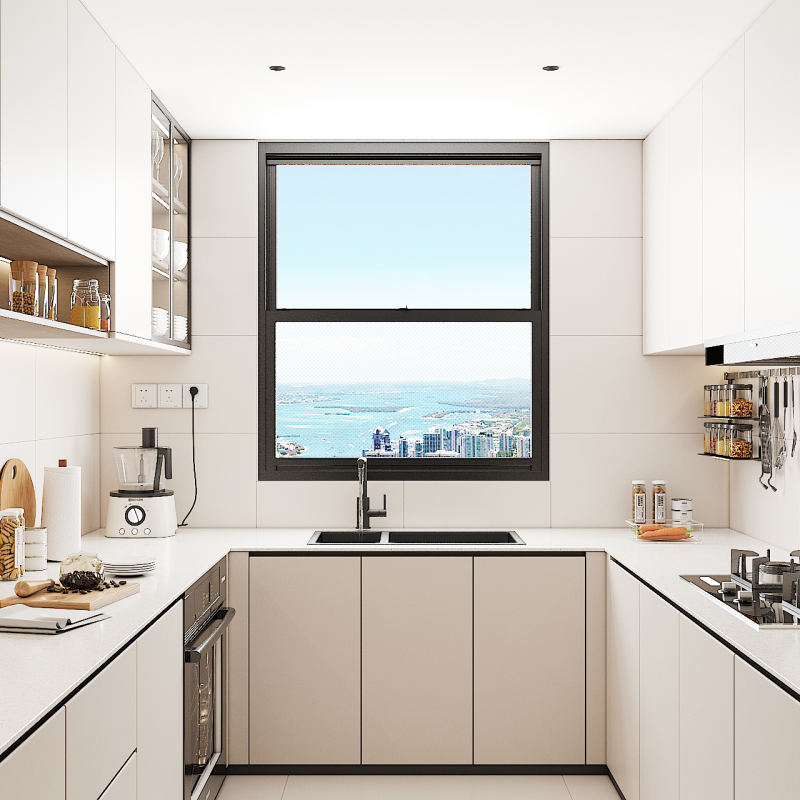
Performance metrics shape real outcomes: thermal break design, double glazing choices, and careful weatherstripping govern comfort and energy use. Historic retrofit projects in Mediterranean and northern European cities—where façades were re-clad during urban regeneration—illustrate the payoff when a low u-factor system replaces flimsy single-pane glazing. Aluminium frames, properly engineered with thermal breaks, control conductive loss; gasketing and controlled drainage reduce air infiltration. These are not abstract concerns: they translate into measurable reductions in heating load and occupant complaints.
Design and operation: sliding versus awning in practice
Comparatively, aluminium sliding window systems excel where unobstructed sightlines and operable width matter. Their horizontal sash rides within a slim frame, useful in large openings or balcony doors. By contrast, the awning aluminum window mounts on top-hinged sashes, shedding rain while allowing ventilation—a trait that has made it common in coastal and rainy cities. Hardware choice matters: ball-bearing rollers and stainless-steel tracks for sliding units; friction stays and robust hinges for awnings. Consider maintenance: rollers may require periodic lubrication, while hinge points demand inspection for corrosion.
Material trade-offs and lifecycle thinking
Aluminium’s durability and recyclability weigh heavily in lifecycle assessments. Proper anodizing or powder-coated finishes guard against corrosion; extrusions crafted for minimal thermal bridging support airtight assemblies. Yet aluminium will not perform in isolation. Glazing specification, sealant longevity, and on-site installation quality determine whether a project attains its intended lifespan. A well-specified sliding frame with quality double glazing and correct sealant detail will outlast an inferior system by decades.
Common mistakes and practical corrections
Specifiers often make three recurring errors: underestimating drainage requirements, using mismatched hardware, and accepting off-the-shelf glazing without thermal calculations. Address drainage by detailing trap weeps and sill slopes. Match hardware to sash weight and frequency of use. Verify glazing performance against expected internal loads. Small oversight becomes systemic failure—sooner than anyone expects. —Pay attention to sash clearances and weatherstripping alignment; a tight-looking frame can leak if muntin mates are misaligned.
How architects and contractors should compare suppliers
When evaluating manufacturers or suppliers, treat the comparison as technical procurement, not procurement theater. Ask for as-built performance data, sample extrusions, and documented thermal break cross-sections. Inspect warranty scope—does it cover finish, hardware, and sealant adhesion separately? Look for documented resistance to air infiltration and water penetration under recognized test conditions; these figures should align with the project’s climate demands. Real-world anchors—city retrofit projects or LEED criteria for façade performance—offer useful baselines for what to expect.
Three golden rules for selection
1) Prioritize the right performance metric: choose systems rated for expected wind load, water penetration resistance, and u-factor targets pertinent to your climate. 2) Demand matched systems: frame, glazing, and hardware must be certified together rather than as disparate components. 3) Verify installation quality: an approved installer with reference projects is as important as the product itself.
Choose a partner who documents outcomes and stands behind both product and installation—this is where design intent meets reality. Zekin. —trust built into every frame.