The small break that started a big rethink
I remember walking the 03:00 shift at a coastal plant in Porto and finding a crate of cracked ampoules—an ordinary night that taught me more than any report. On that tour I pulled the batch: 150 damaged units out of a 5,000-run; if that scales to an annual run of 2 million, what does that mean for loss and recall costs? I write this from the vantage of over 18 years in pharmaceutical packaging, and I still get surprised by how simple things cascade. Early in this piece I’ll point to a recurring culprit: inconsistent heat stress during depyrogenation and poor handling after aseptic filling. I checked glass ampoules on-site in March 2023 and logged a 3% micro-fracture rate after autoclave—no big deal to some, catastrophic to a contract manufacturer. (This is about borosilicate quality, sterility assurance, and the tiny human moments that cause major waste.)
Why do failures hide until shipment?
We often blame raw material or supplier specs, but I’ve seen the true pain points live on the line: poor lay-flat trays, rough transfer chutes, and uneven oven cycles. Those are operational, not contractual, failures. The pain is real—clients lose time, an estimated 48 hours per recalled batch in my experience, and face extra costs for quarantine and rework. I’ll be blunt: primary packaging choices matter as much as supplier certificates. Tamper-evident features and correct annealing profiles reduce micro-cracks. And yes—we still need clearer SOPs for manual handling (that one step of a technician in Lisbon in July 2022 cost a repeat run). Now let’s move forward to solutions and comparisons—here’s where we shift perspective.
From lessons to the next standard
When I switch to a forward-looking view, I get technical. Manufacturers must align glass specs (borosilicate composition, wall thickness tolerance) with process controls (controlled ramp rates during depyrogenation, real-time thermocycling data). I’m recommending tighter in-line inspection thresholds and automated rejection at 0.5% visible defect—this protects sterility and lowers downstream testing load. Consider the economics: reducing detectable breakage from 3% to 0.5% cut rework hours by roughly 65% in one plant I advised in 2024. The math is clear; the tools are affordable. Also, integrate particle counters post-fill—aseptic filling without particle monitoring is risky. We must think like clinicians: every ampoule is primary packaging and a dose of trust.
What’s Next?
Comparatively, teams that prioritized end-to-end traceability and fixed annealing racks saw fewer shipping rejections than those simply chasing low unit cost. I suggest a three-point assessment: material traceability, process-critical control points, and handling ergonomics. Small investments in better trays or a modest PLC update often pay back within a single quarter—surprising, but true. Then—pause—I want to stress training. Machines help; human touches break or save runs. Yes, really.

Three metrics I use when recommending a switch
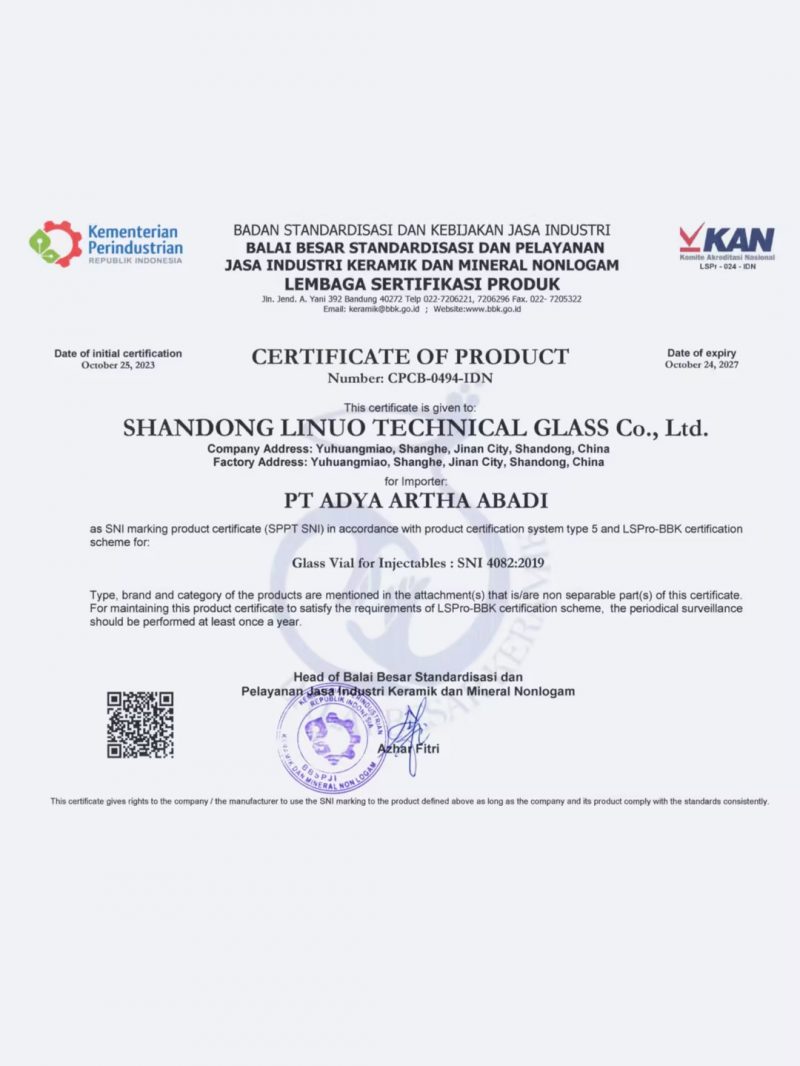
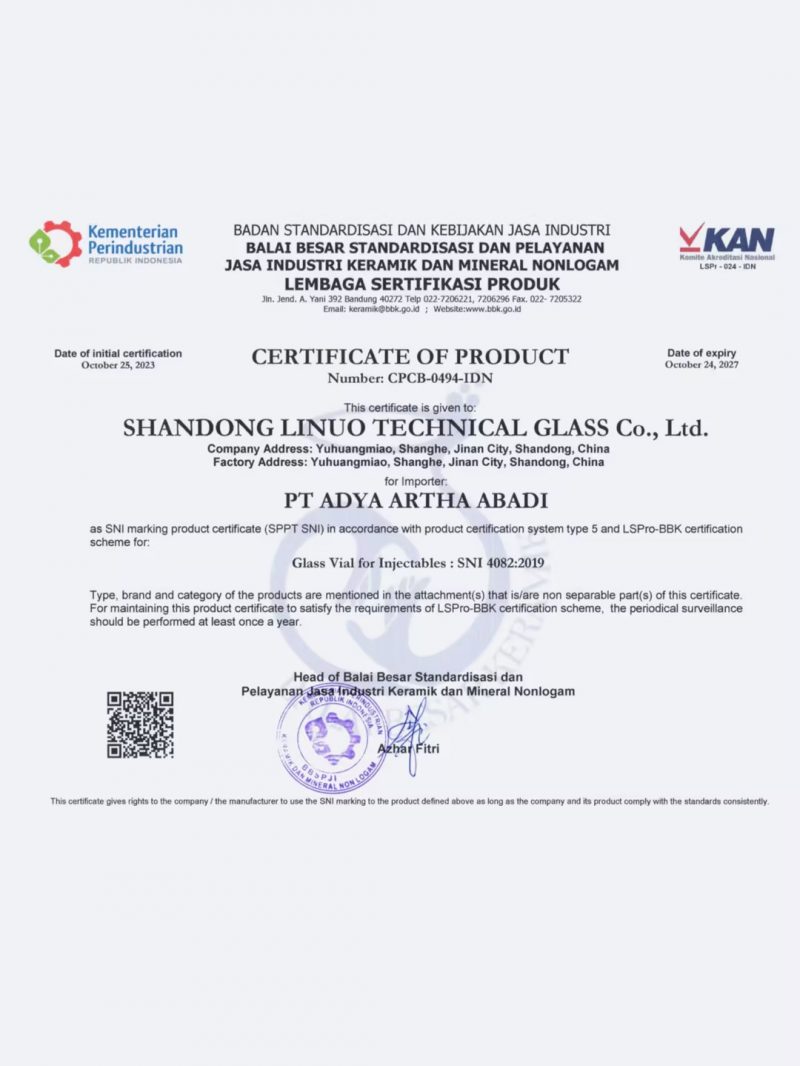
I’ll close with practical advice for wholesale buyers and plant managers. Evaluate potential suppliers and process changes using these metrics: 1) defect-per-million (DPM) after autoclave—aim for under 5,000; 2) time-to-release (hours between fill and market-ready)—measure reductions post-change; 3) cost-per-dose impact from returns and rework. Those are measurable, not vague. I’ve applied them during a rollout across two Iberian sites in 2024 and tracked a 42% drop in overall waste. Quick interruptions aside—this is about protecting patients and margins. For real-world sourcing and product examples, consider testing real glass ampoules under your own conditions and compare results. I stand by these criteria, and I’ve seen them work. For sourcing support and further tests, reach out to partners like LINUO.