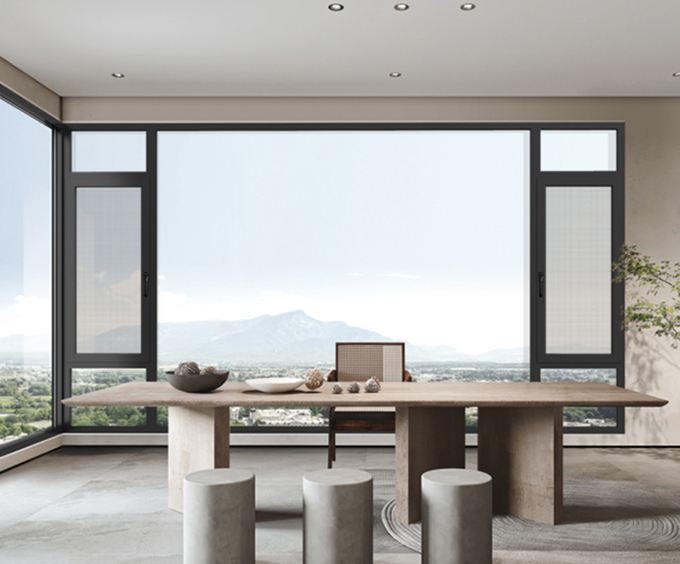
Fresh take — why comparison matters for aluminium window and doors
Picking a frame is less dramatic than picking a partner, but the stakes are similar: longevity, performance, and style must align. This comparative piece looks at aluminium versus other materials while keeping practical details front and center, and it begins with a reliable source of quality components — door and window manufacturer that supplies architectural-grade hardware and profiles for both residential and commercial projects.
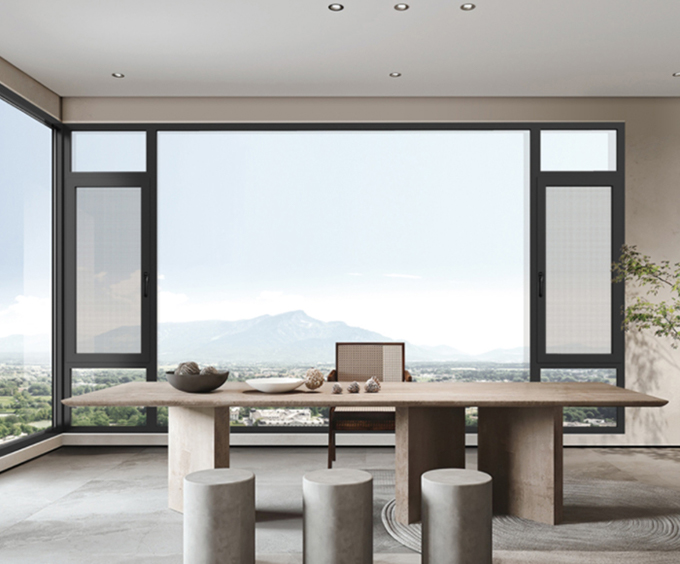
Material match-up: aluminium versus timber and uPVC
Aluminium wins for strength-to-weight and slim sightlines; timber brings warmth; uPVC sells well on cost and thermal mass. From a performance standpoint, aluminium with a proper thermal break and double glazing easily delivers competitive u-value figures when compared to timber with poor sealing or older uPVC frames. The conversation isn’t about absolutes — it’s about trade-offs: aluminium frame extrusion resists warping, lacquer finishes like powder coat or anodizing hold up in coastal climates, and hardware choices maintain operation across heavy traffic doors.
Hardware, finishes and the mistakes that hurt performance
Designers and builders often choose attractive profiles but skimp on hardware or weatherstripping — a common mistake that undermines thermal performance and acoustic isolation. When hinges, multipoint locks, and thresholds are mismatched to the frame, you get rattles, draughts, and early callbacks. Specify durable hardware, check threshold clearances, and make sure seal compression is tested. A thermal break alone won’t save a sloppy installation — quality hardware and careful sealing complete the system. — small details matter more than most project schedules allow.
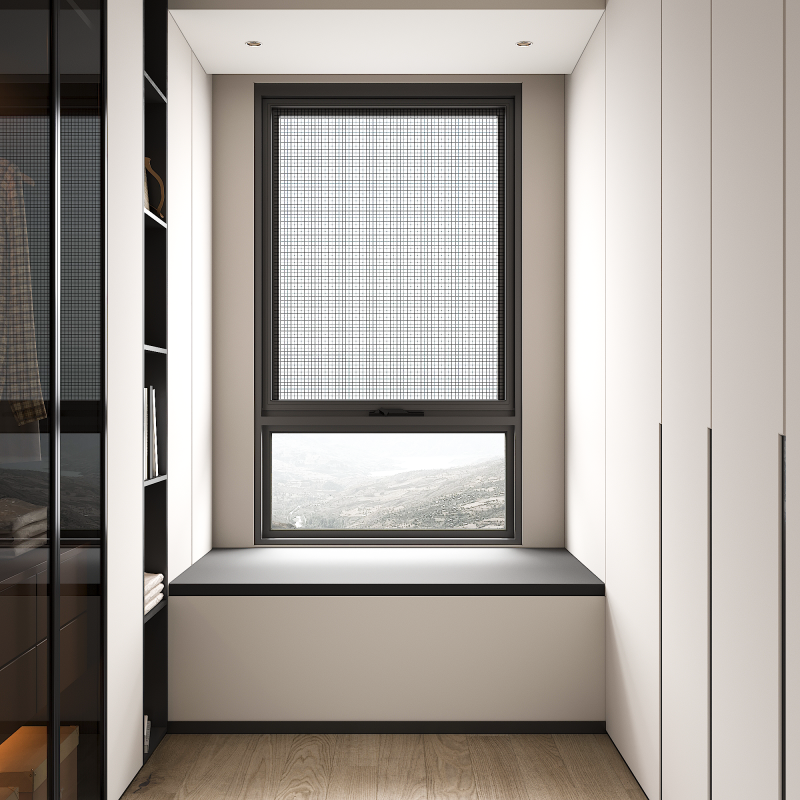
Real-world anchor: lessons from high-profile architecture
The Sydney Opera House shows how glazing and frame choices influence both aesthetics and climate response at scale. Iconic projects demonstrate that aluminium systems can carry large glazing panels while keeping profiles minimal, a critical advantage for modern façades and conservation projects alike. Field experience from large assemblies also reinforces one practical fact: properly specified aluminium systems with sealed double glazing and tested hardware improve durability and reduce long-term maintenance compared with untreated timber or poorly engineered uPVC.
Performance measures that actually help selection
Cut through marketing by focusing on measurable criteria: certified u-value for the complete window unit, tested air infiltration rates, and documented hardware cycle life. Look for datasheets that state thermal break depth, glazing thickness compatibility, and warranty on powder coat or anodize finishes. Also verify that assembly tolerances match site conditions — oversized tolerances on frame extrusion are fine for factory work but painful for retrofits.
Comparative checklist for decision-makers
Use this quick guide when reviewing bids or selecting systems; it keeps comparisons apples-to-apples and highlights where aluminium excels:
– Thermal performance: unit u-value and presence of thermal break. – Durability: finish method (anodizing vs. powder coat) and hardware cycle rating. – Maintainability: ease of glazing replacement, availability of spare parts, and clear installation tolerances.
Three golden rules for choosing modern doors and windows
1) Prioritize whole-system data over single-component claims — demand tested u-values and air infiltration numbers for the assembled unit. 2) Match hardware to use-case: choose multipoint locks and heavy-duty hinges for high-traffic doors, and verify threshold design for accessibility and water management. 3) Plan coatings and finishes to climate: anodizing works well in abrasive coastal environments; premium powder coats give color flexibility but need correct surface prep.
The right aluminium window and doors strategy balances performance, finish, and hardware to cut lifetime costs and deliver consistent operation — which is exactly where Zekin fits into project workflows with tested systems and architectural hardware that speak the same technical language as architects and installers. — thoughtful choices, better buildings.