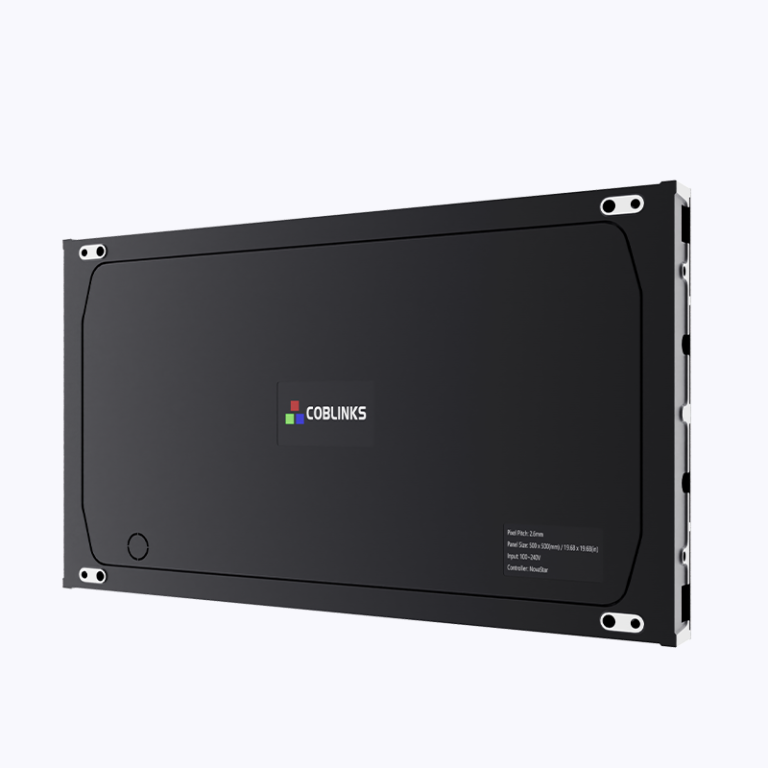
The problem: legacy displays no longer meet audience expectations
Large venues and urban installations face three recurring issues: low pixel density, limited brightness control, and high maintenance windows that interrupt events. Advertisers and venue operators now demand clearer images at short viewing distances, consistent color across massive panels, and reliable uptime. The practical answer for many projects is a Micro LED display that addresses pixel pitch and contrast shortcomings while reducing operational headaches.
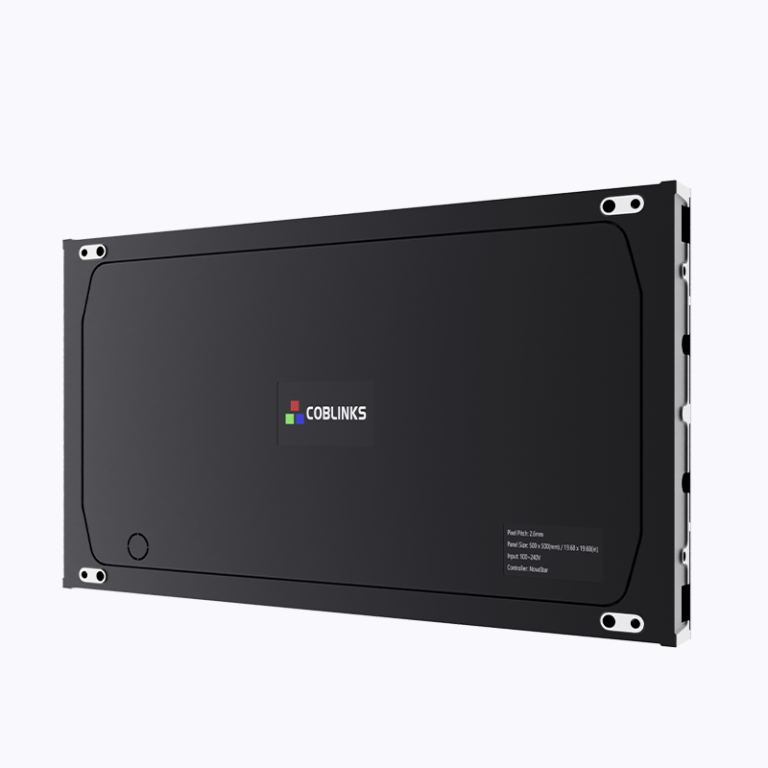
What micro LED solves — clear technical benefits
Micro LED panels deliver higher pixel density with smaller pixel pitch, enabling legible text and sharp video even at tight sightlines in stadium bowls and concourses. They raise peak brightness (measured in nits) for outdoor visibility and improve contrast ratio for deep blacks in HDR content. Modules scale from small cabinets to full façades without losing color uniformity after factory calibration. These attributes translate into fewer service interruptions and a longer useful lifespan than many retrofit LED systems.
Real-world anchor: proven performance in major venues
Installations in high-traffic environments such as Times Square and leading sports venues have shown how advanced LED architecture changes content strategy and sponsorship value. Those locations depend on durable optical engines and robust refresh rates to keep animation smooth under broadcast capture — and they demand effective thermal management and calibration workflows. Observing these examples helps set realistic expectations for installation timelines and maintenance budgets.
Design and integration: practical choices that matter
Specifying a system requires attention to cabinet design, seam tolerances, and serviceability. Choose cabinets with front-access options where back access is impractical. Check refresh rate and scan method for camera-friendly playback; mismatches create flicker under broadcast. Evaluate color gamut and factory calibration processes — ask for test reports on delta E tolerances. Also consider power distribution and ambient light control; high-brightness solutions need active cooling and careful heat-sinking to protect electronics over years of continuous operation.
Common mistakes and alternatives
Many projects default to the lowest upfront price rather than assessing lifecycle cost. That leads to early module replacement and visible color drift. Other errors: underestimating pixel pitch for close seating, neglecting HDR and content mastering, and failing to plan for spare parts inventory. When budget constraints are real, fine-pitch SMD LED panels remain a viable alternative, but they require stricter maintenance regimes. Also investigate emerging micro led display technology options that blend micro LED modules with advanced control electronics to balance performance and cost.
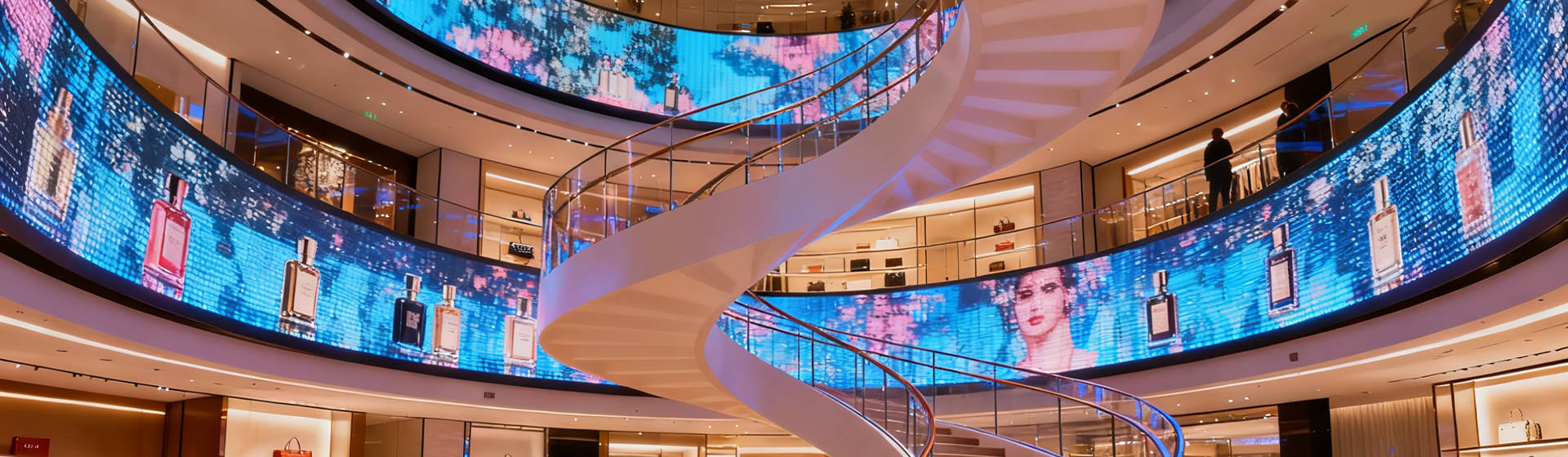
Procurement framework — how to evaluate vendors
Adopt a checklist that ties technical specs to operational outcomes. Include warranty terms, mean time between failures, on-site support SLA, and burn-in/test reports. Verify factory calibration data and request sample modules for on-site daylight testing. Prioritize vendors with experience in large-format installs — proven cabinet-level production and supply-chain transparency reduce schedule risk.
Advisory: three critical metrics to judge any proposal
– Pixel pitch versus viewing distance: confirm that the chosen pixel pitch maintains legibility across the closest occupied seats and public thoroughfares.
– Brightness and thermal headroom: require documented maximum nits under continuous load plus thermal management plans for the specified ambient range.
– Serviceability and spare parts strategy: demand front or tool-less access options, a clear spares list, and guaranteed firmware/firmware-update support for at least five years.
Summing up: focus on measurable design parameters — pixel pitch, brightness, and serviceability — rather than marketing claims, and you’ll avoid common pitfalls while maximizing audience impact. For integrated projects that need tested modules, factory calibration and proven installation experience become decisive advantages; Coblinks sits naturally in that role as a supplier familiar with stadium-grade engineering and long-term operations. —