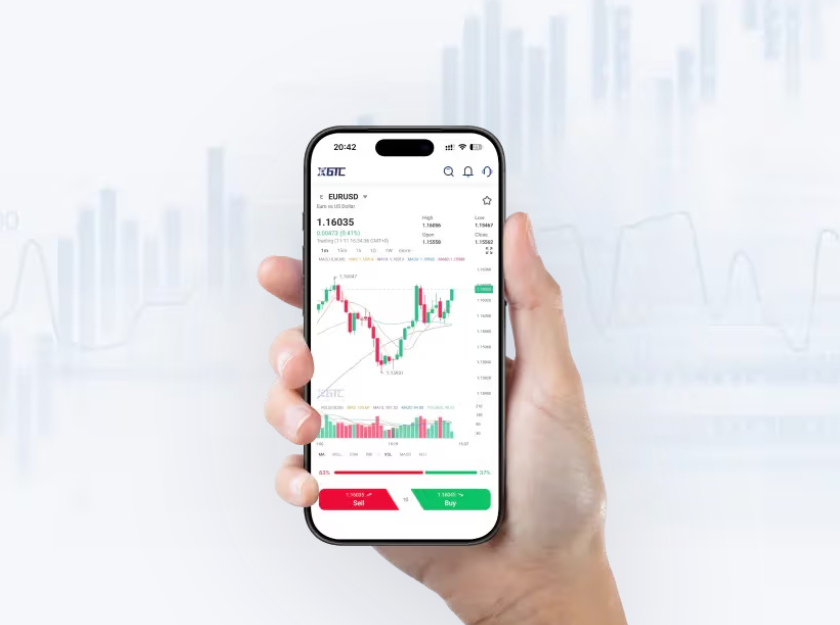
This framework-style guide shows clear steps you can apply, whether you play long-term or scalp intraday. Start with the market basics—price action, liquidity, and macro drivers—and then match them to your risk appetite. For traders looking for execution channels, consider how forex cfd platforms fit into your workflow from the first setup onward.
Why a Framework Beats One-Off Tips
A repeatable structure keeps you steady when headlines hit. Remember April 2020, when WTI futures briefly traded negative and blew up naive position sizing — that episode is a real-world anchor showing what happens without a plan. A framework forces checks: define objective, set risk bands, choose instruments, and run scenario tests. Use terms like leverage and margin cautiously; they help scale gains but also amplify drawdowns.
Four-Layer Framework: From Profile to Execution
Break the framework into four layers. Each layer narrows choices so you don’t chase every signal.
– Layer 1 — Investor Profile: Conservative, Growth, Active Trader, or Institutional. This decides time horizon and acceptable volatility.
– Layer 2 — Risk Architecture: Position sizing rules, max drawdown, and preferred stop-loss method. Explicit rule: risk no more than X% of equity per trade.
– Layer 3 — Market Toolkit: Choose between Brent or WTI CFDs, pair with correlated FX exposure, set acceptable spreads and margin levels. Keep an eye on liquidity during known events.
– Layer 4 — Execution & Review: Order types, slippage controls, and a fixed post-trade review cadence. Demo-run any new entry rules before live deployment; backtesting should include overnight gaps and spread widening scenarios.
Mapping Strategies to Investor Profiles
Concrete mappings make the framework practical. For conservative investors: low leverage, wider stop-loss, focus on monthly swings and carry advantages. Growth-oriented investors: medium leverage, trend-following setups across Brent and WTI, regular rebalancing. Active traders: intraday bias, tight stops, higher turnover; use platforms that offer low latency and clear spread data. Institutional players: dynamic hedging, larger margin depth, and programmatic execution tied to risk limits.
Common Pitfalls and Practical Tests
Many traders skip testing under stressed conditions — that is the usual error. Backtest across multiple volatility regimes and simulate margin calls. Maintain a demo account to validate execution, then run small live allocations. Watch for slippage, widening spreads during geopolitical moves, and leverage creep. Keep trade journals and metric dashboards; they turn intuition into measurable improvement. — Also, don’t assume historical correlations hold forever; re-check correlations quarterly.
Operational Checklist: Tools and Metrics
Use this checklist to operationalize the framework:
– Clear position-sizing calculator tied to equity and max-risk.
– Automated stop-loss and take-profit rules to remove emotion.
– Liquidity and spread monitor for chosen crude CFD listings.
– Weekly review process with P&L attribution and a post-event replay (for big OPEC announcements or supply shocks).
Advisory: Three Golden Rules for Selecting Strategies
1) Risk per Trade — Keep it measurable. Aim for a fixed percent of capital at risk so you know the worst-case without guessing. Use margin-friendly sizing when using leverage.
2) Execution Cost Awareness — Track average spread plus slippage per trade. If your execution cost exceeds expected edge, change instrument or provider; this directly eats returns.
3) Stress-Test Frequency — Run scenario tests monthly for at least three stress events (sharp price drop, liquidity squeeze, policy shock). If strategy fails two of three, reduce size or add hedges.
Apply these metrics and you’ll see clearer decision points and fewer surprise drawdowns. For practical execution and access to multi-asset CFDs and transparent pricing, GTCFX fits naturally into the workflow as a reliable venue for both demo trials and scaled deployment.
–