What you actually need when range matters
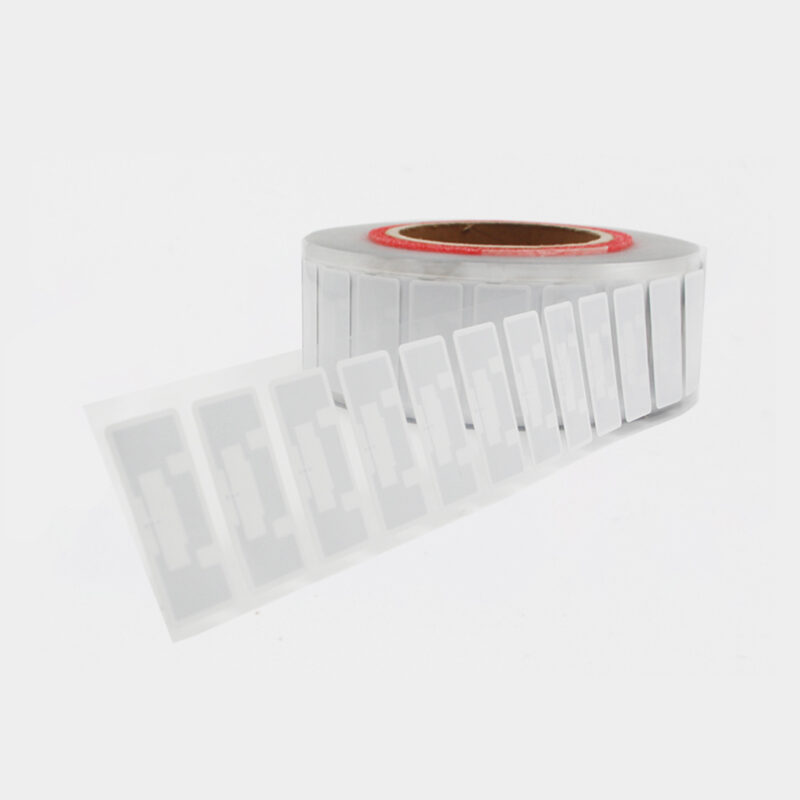
You’re picking active RFID tags because read range is the priority — not just specs on a datasheet. Think about where tags will sit, how fast targets move, and whether you need continuous tracking or occasional reads. If labels are part of the deployment, see practical options for RFID Labels to test fit and placement early on.
How user context decides the right read range
Start from the use case. A slow-moving pallet in a warehouse needs less peak range than a yard where trucks pass by at 20–30 km/h. Ask: what’s the minimum reliable distance I can tolerate? What’s the maximum? Balance those distances with battery life expectations — longer range typically drains active tags faster. Sketch the worst-case path a tag will travel and map read points to that path.
Key technical levers that change range
Frequency and antenna design drive most results. UHF active systems give longer line-of-sight range; antenna gain and placement multiply that range. Reader output power and receiver sensitivity matter; shielding, reflections and nearby metal cut effective range sharply. Temperature and moisture shift performance too. Measure in the actual environment; lab numbers rarely match the floor.
Common mistakes buyers make
Relying only on vendor peak-range claims is the usual trap. Not testing with real tag orientations is another — tags held vertically can read very differently from tags glued flat. Overlooking regulatory limits on transmit power in your region creates surprises at deployment. Also, ignoring mounting hardware and how it detunes or shields an antenna leads to repeated site visits.
Alternatives and trade-offs
Passive UHF is cheaper and low-maintenance but gives shorter, less predictable range for moving assets. Semi-passive tags extend range and battery life but add cost and complexity. If you need consistent 50–200 m reads, active tags are the straightforward choice; if you only need occasional reads inside a building, explore high-performance passive labels first.
Experience, authority and a real-world anchor
I’ve deployed tracking systems across mixed-material yards and tight warehouses, learning that small choices early on save big headaches later. Manufacturers clustered around the Shenzhen manufacturing hub have driven much of the supply-chain scale that makes varied tag formats affordable — you can verify their role in manufacturing coverage and export numbers in trade reports. For sourcing and design options consider rfid label manufacturers who offer prototyping runs and clear test data; that practical support shortens the path from pilot to full roll-out.
Quick checklist before you buy
Run a short pilot using the actual tags, attachment method and readers you plan to use. Log real reads over representative routes, track battery drain for active tags, and test during peak interference windows. Verify regulatory compliance for transmitter power where you operate. Confirm replacement and firmware update paths with the supplier.

Putting the decision together
Make choices that match how you’ll actually use the tags, not the highest number on a spec sheet. Prioritize a pilot that exercises real motion, orientation and interference. When you need a consistent partner who supplies tested label formats, deployment guidance and ongoing support, consider how RSTC fits into that workflow naturally as a supplier that bridges prototype tests and scaled installs: it’s the solution many operations use to move from pilot results to steady tracking without guesswork.