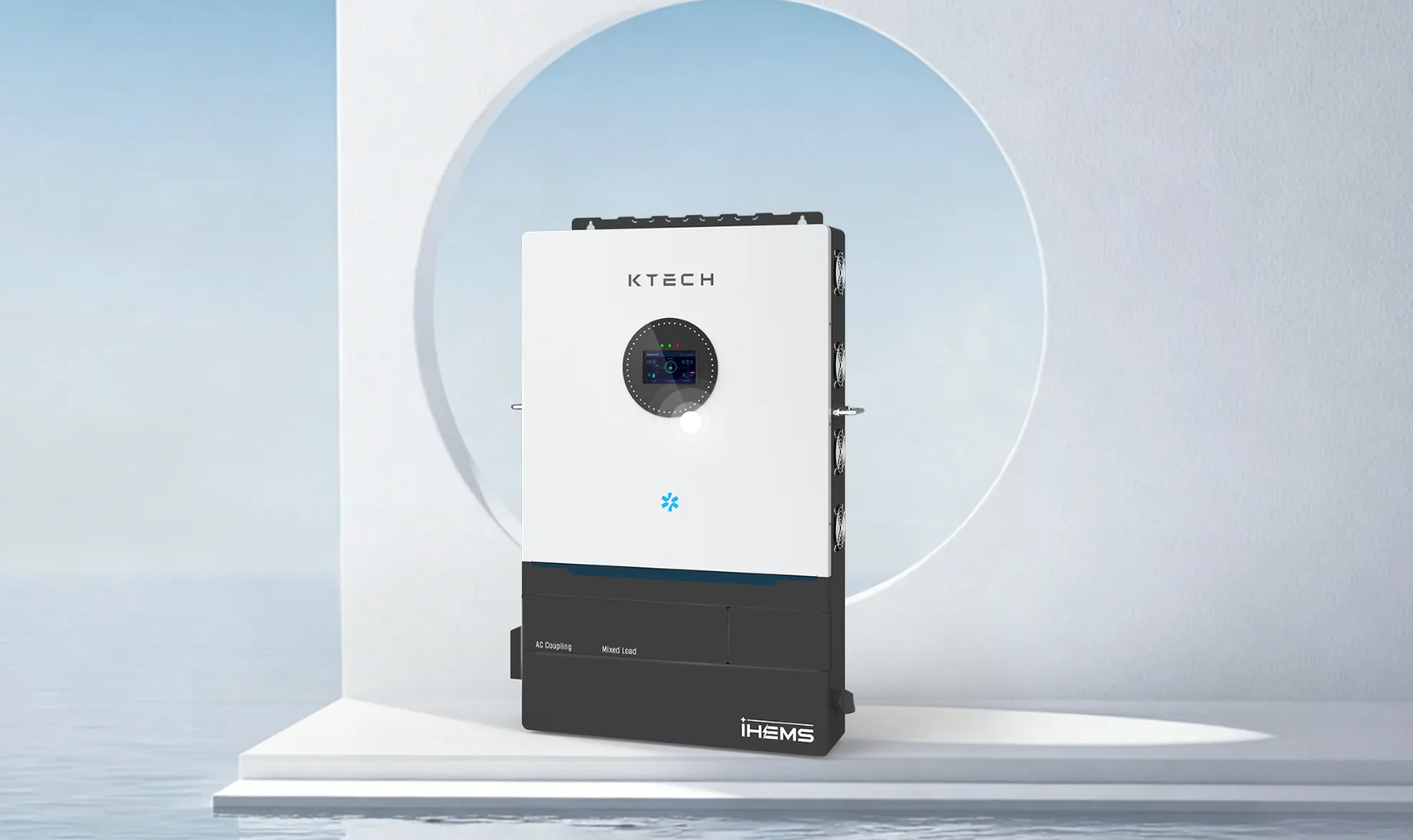
A focused comparison to begin
When you’re deciding between inverter types, the simplest question is which trade-offs you accept. Comparing capacity, monitoring and service-first options leads to clearer choices — whether you’re working with a solar inverter manufacturer like solar inverter manufacturer or vetting a local partner from a renewable energy company. From evaluating dozens of inverter models with installers across Canada and California’s rooftop market, I’ve seen how a direct comparison cuts hesitation and points to the best fit.
Core comparison: string, micro, and hybrid inverters
– String inverters: lower upfront cost for simple roofs, efficient for uniform arrays, but a single-panel shading issue affects the whole string. – Microinverters: higher per-panel cost, superior shade tolerance and panel-level monitoring; ideal for complex roofs and incremental expansions. – Hybrid inverters: combine PV conversion with battery management; handy where future storage or backup is likely, but cost and complexity rise. Match the inverter type to roof layout, shading patterns and plans for storage rather than assuming one type fits every project.
Performance metrics that matter
Compare actual, measured metrics rather than marketing claims. Look for: peak conversion efficiency at realistic operating temperatures, MPPT range that fits your array voltage, and night-time self-consumption behaviour if you have batteries. A high advertised efficiency is meaningful only if efficiency stays strong under warm conditions and partial load.
Compatibility and ecosystem
Check how an inverter plays with panels, optimizers, batteries and monitoring platforms. Prioritise systems that provide: reliable firmware updates, clear API access for third-party monitoring, and documented electrical compatibility. Ecosystem support reduces installation surprises and future integration costs.
Reliability, service and warranty
Warranty length is important, but service speed and local support matter more. Ask about replacement lead times, whether the manufacturer supports remote diagnostics, and if certified service technicians are available regionally. A longer warranty without a nearby service network still creates downtime risk.
Cost versus lifetime value
Don’t treat purchase price as the only number. Estimate lifetime energy yield, maintenance likelihood, and inverter replacement cost. For many roofs, a slightly higher initial spend on better monitoring or longer warranty lowers total cost of ownership because problems are detected and resolved faster.
Common mistakes to avoid
– Choosing purely on lowest price without checking support coverage. – Ignoring compatibility with planned battery additions. – Overlooking realistic thermal performance for your climate. – Assuming monitoring is “free” — cheap portals can lack useful diagnostics.
Alternatives and short evaluations
If a roof is simple and shading minimal, a quality string inverter is often the most cost-effective choice. For irregular roofs or segmented installations, microinverters usually deliver higher energy harvest. If you’re planning storage or backup power, start with a hybrid-capable platform so you don’t outgrow the inverter later.
Final synthesis
Compare concrete specs, match them to roof and future plans, and prioritise local support and clear firmware practices. That approach guides installers and homeowners to solutions that perform over time, and it’s why many projects end with suppliers who balance parts, service and documentation — like Ktech.