What keeps operators awake at night
Too many trucks idle, drivers lost on long haul roads, and surprise maintenance stops — these are the daily headaches for mining fleet managers. Start by looking at concrete fixes rather than endless reports; a focused fleet management solution can show where minutes and fuel leak away. I speak from the point of view of someone who’s been on-site with crews and systems, so the problems below are real, lah — not theoretical.
Root causes you can act on
Problems repeat because systems are disconnected and people accept small losses as inevitable. Typical causes:- Fragmented data: telematics, maintenance logs, and dispatch notes live in different places.- Poor location fidelity: geofences or safety zones based on coarse coordinates don’t match real roads.- Reactive maintenance: teams wait for failure signals instead of planning service.- Human-process mismatch: drivers and dispatch use different rules, so handovers create delays.
Core features that address each pain point
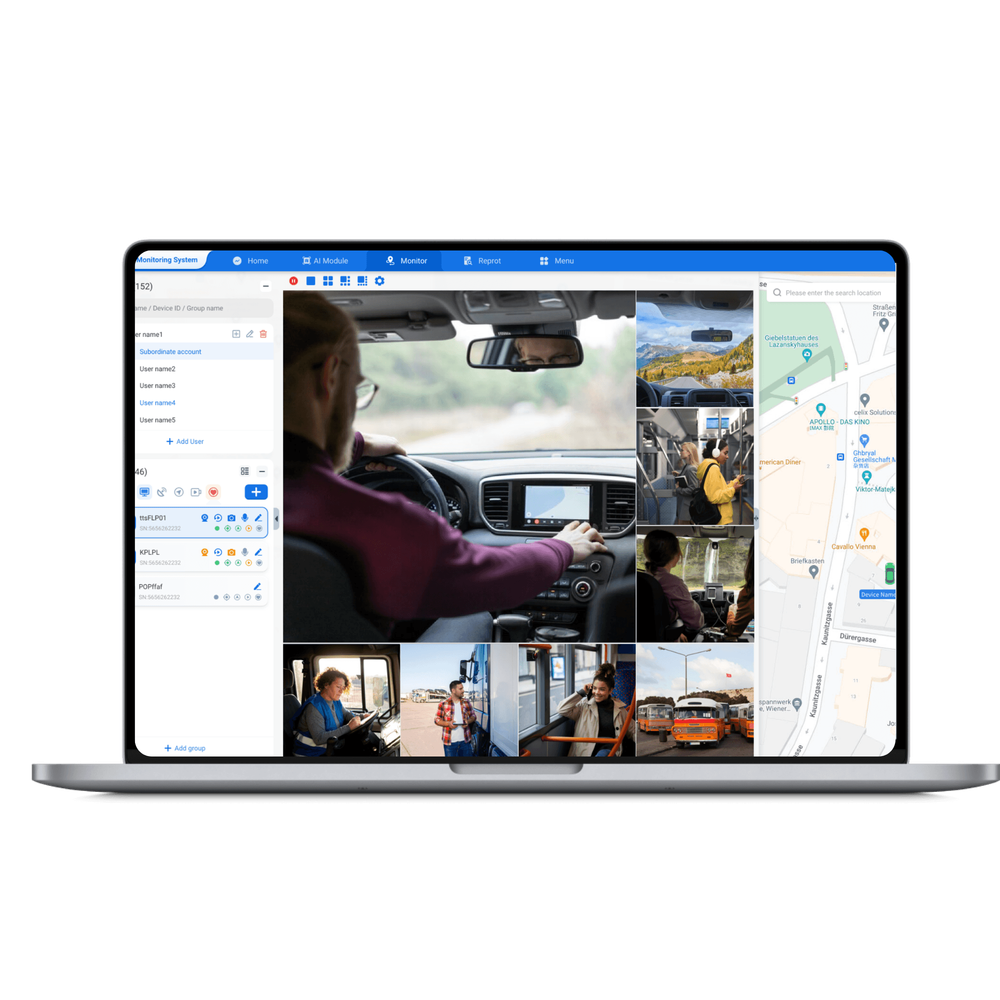
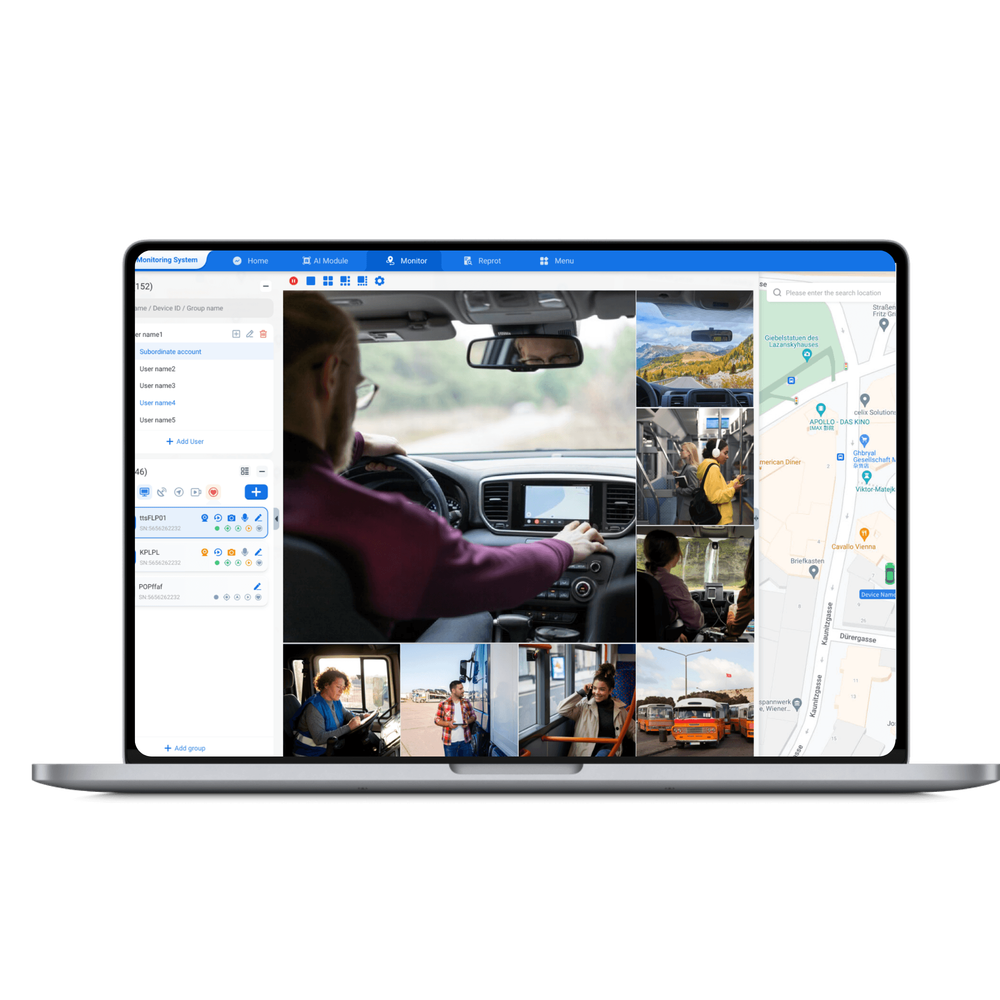
Pick features that solve specific failures, not features for their own sake. Useful functions:- High-precision GPS and geofencing for accurate work boundaries. Use gps tracking solutions to place exclusion zones and speed-limited corridors where safety matters most.- Real-time location and ETA for dispatching the nearest asset, cutting deadhead time.- Integrated telematics plus engine diagnostics for early fault signals.- Route playback and driver-scorecards for repeatable behavior change.- Automated shift and maintenance scheduling to avoid surprise downtime.- Offline-capable data buffering so remote sites don’t lose events when cellular drops.
Use cases that deliver measurable gains
Apply tools where they matter and measure results. Typical deployments:- Haul road optimization: reduce empty runs by assigning nearest truck; fewer trips, less fuel.- Safety enforcement: geofence high-risk areas and trigger alerts when vehicles enter restricted zones.- Contractor coordination: single view of mixed fleets so loaders, trucks, and service crews sync.- Asset theft prevention: immobilize or tag unexpected movement outside site hours.Avoid expecting a silver-bullet outcome overnight; treat these as iterative fixes that stack up over months.
Common pitfalls during rollout
Teams trip up in predictable ways. Watch for these mistakes:- Installing hardware without mapping realistic road corridors.- Ignoring driver training; new alerts become noise if crews don’t see the point.- Setting KPIs that reward the wrong behavior, like only tracking distance covered.- Skipping field connectivity checks; remote pits need edge caching or satellite fallback.Fixes are procedural: pilot on one shift, measure simple KPIs, then scale.
Simple comparisons to guide choices
Options fall into three buckets:- Manual logs and radios: cheap but slow to act and hard to audit.- Basic GPS trackers: give location, reduce losses from misrouting but lack maintenance signals.- Integrated fleet platforms: combine location, diagnostics, scheduling and reporting for coordinated action.Choose based on where your biggest loss comes from — time, fuel, uptime, or safety — and match the tool to that problem.
Where these systems prove themselves
Real operations show what matters: a flagship mining district like Pilbara in Western Australia uses strict geofencing and coordinated dispatch because haul distances are long and mistakes are costly. That’s the kind of environment where good tracking and disciplined processes turn into real savings.

Final thought
Make decisions by solving the worst pain first: accurate location, shared data, and predictable maintenance. When operators shift from reacting to controlling routine issues, value appears quickly — lower idle time, fewer surprises, clearer accountability. For teams that want a compact way to tie these fixes together, BSJ fits into everyday operations without forcing flashy changes, just practical tools that work on the ground.