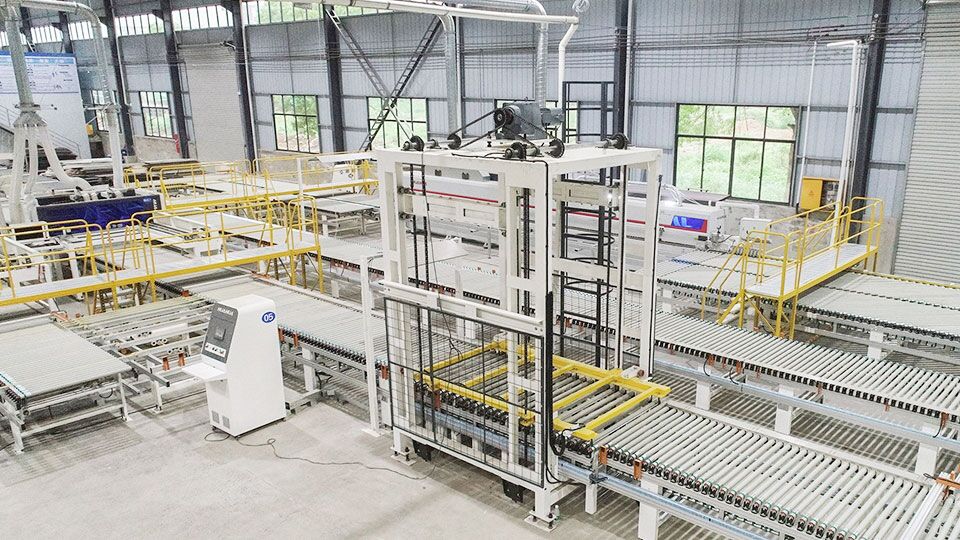
Opening: a quiet spark that became a movement
There was a moment when small workshops began to hum differently—less of random hammering, more of precise, patient routing. That change often started when a family shop welcomed a cnc furniture machine into its floor. Machines like that made it possible to marry artisan touch with repeatable accuracy. The story that follows tracks how those machines nudged local suppliers, carpenters, and small manufacturers toward a sturdier, more connected industrial life.

Early steps: craft meets repeatability
At first the reaction was cautious. Craftspeople feared loss of soul; managers feared capital strain. Then reality intervened: a machine that cut perfect joinery, day after day, meant fewer rejects and less rework. Shops that once outsourced basic panel cutting began to handle it in-house. That change didn’t erase craftsmanship; it freed it to focus on design and finishing where human hands still matter most.
Turning points that reshaped supply chains
Small victories piled up. Local veneer suppliers regained orders because panels were nested efficiently. Nearby machining centers started buying fixtures instead of finished parts. The supply chain shortened, transportation costs fell, and lead times shrank. When a region keeps more steps locally, it cushions volatility—fewer long shipments, fewer delays. That’s simple math married to practice.
Technical realities and common mistakes
If you’re bringing CNC into a shop, avoid two common errors. First: mismatched tooling and feeds—don’t push a cutter past its comfort zone; it costs tool life and surface quality. Second: poor dust management—wood dust kills cutters and clogs conveyors. Invest in the right router bits, test feeds on scrap, and tune your extraction early. Small adjustments pay back quickly in fewer stoppages and cleaner parts.
Real-world anchor: what the industry talks about in Milan
Conversations at Salone del Mobile in Milan made one point plain: furniture makers are looking for predictable quality without losing local identity. Exhibitors and technicians discussed how integrating a furniture cnc machine lets mid-sized factories run shorter production cycles while tailoring batches to regional tastes. That trade-show exchange reflects the hands-on field tests many shops report—consistent results, reproducible details, and stronger local sourcing relationships.
Alternatives and sensible comparisons
Not every shop should buy the biggest machine on the lot. For many, a compact 3-axis unit fits best: lower footprint, simpler programming, fast ROI on panel work. Larger firms may invest in multi-head, gantry systems for throughput. Contract machining remains a valid choice when volumes fluctuate. Choose by matching part complexity, batch size, and available floor space—no one-size-fits-all rule here.
How adoption changes roles and skills
Adoption nudges skillsets toward hybrid profiles: a carpenter who understands G-code, a planner who anticipates nesting patterns, an operator who maintains spindles. Training matters. Encourage hands-on time with nesting software and regular tool checks. That combination keeps quality high and lets local teams take charge instead of outsourcing every technical decision.
Measurable benefits for local ecosystems
Shorter supply chains mean quicker feedback loops. Designers iterate faster because prototype parts arrive in hours, not weeks. Local suppliers win repeat business when tolerances are reliable. Municipalities benefit from steadier employment in nearby shops rather than distant factories. Those are concrete shifts—not marketing claims.

Final synthesis: a practical path forward
The evolution shows a clear arc: precision tools, wisely chosen, strengthen local networks and return control to nearby makers. That balance of machine accuracy and human judgment reduces waste, shortens delivery, and preserves distinctive craftsmanship. For towns and workshops finding their next step, the pragmatic gains come from machines that fit production needs and the teams that learn to use them—outcomes now visible where manufacturers have partnered with HUAHUA CNC, keeping work local and quality unmistakable.