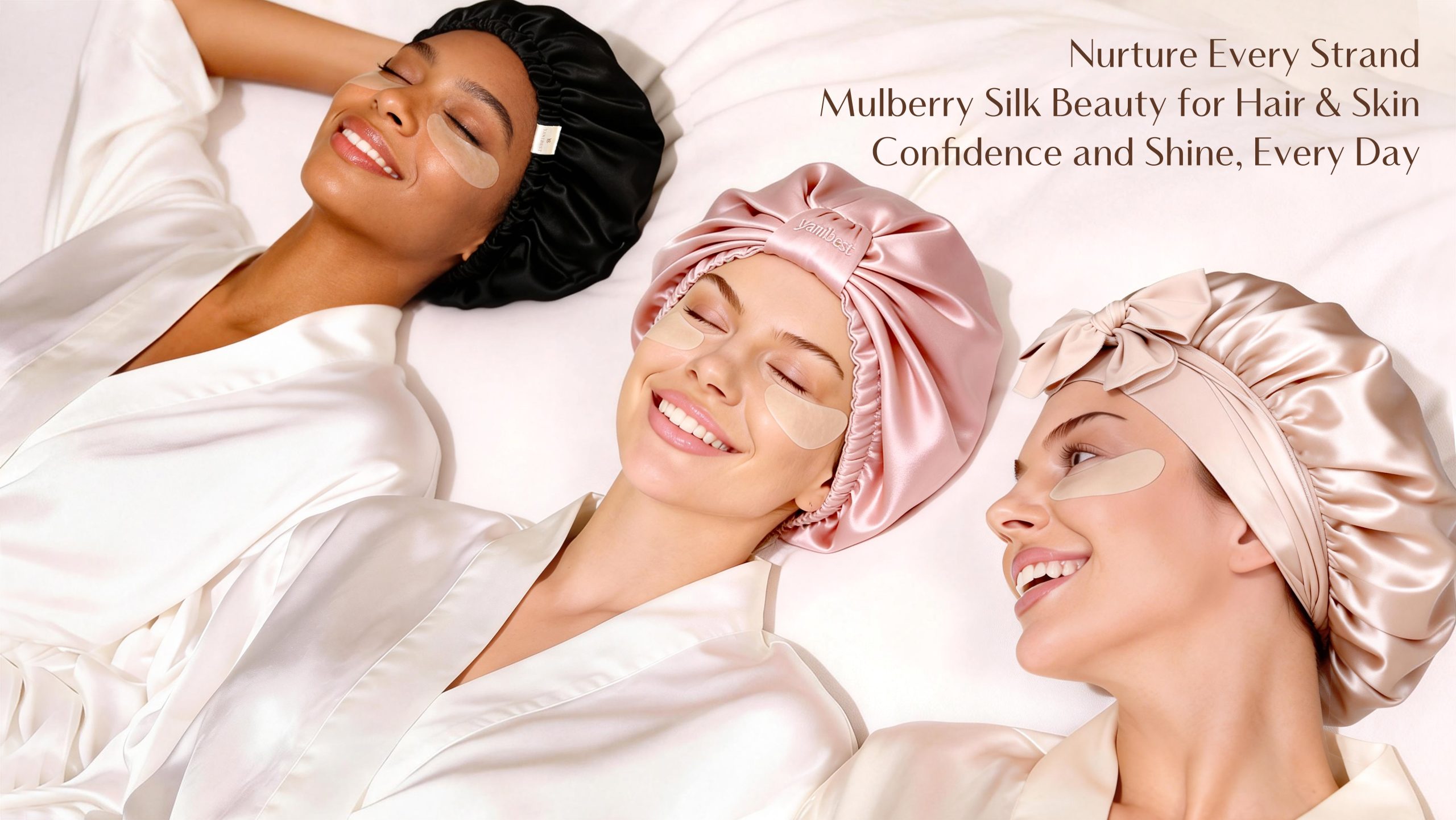
Start by identifying the problem
Most mornings show the same issue: frizz, breakage, or flattened styles after sleep. You need sleep accessories that stop friction and retain moisture. Begin with a simple swap—try a satin lined beanie on nights when you toss or when you sleep cold. That single change reduces tugging and keeps styles intact.

Step 1 — Match the accessory to your hair type
Fine hair needs gentle containment; choose lightweight satin linings and loose fit. Thick, coily, or textured hair benefits from roomy shapes and reinforced seams to avoid pressure points. If you sleep on your side a lot, prioritize low-profile caps that won’t crush curls. Pick one primary concern—frizz, breakage, or moisture loss—and let that guide the size and cut you buy.
Step 2 — Choose the right construction and materials
Look for 100% satin lining or high-quality satin blends that sit against the hair; outer fabrics can be knit or fleece for warmth. Seams should be flat and away from the crown. Elastic should be wide and soft or avoided entirely if your scalp is sensitive. Prioritize breathability to prevent sweat-related issues; heavier insulation helps only if you’re cold at night.
Step 3 — How to put them on and use them nightly
Gather your hair into a loose pineapple for voluminous styles or smooth it flat for sleek looks. Slide the satin accessory on from front to back, covering most hair but avoiding tight pulling at the hairline. If you have long hair, tuck ends gently rather than twisting them tight. Keep a consistent routine: apply at the same stage of your evening care so products and accessories work together, not against each other.
Step 4 — Care and maintenance that actually matters
Wash satin linings on a gentle cycle or hand-wash with a mild detergent; air-dry flat. Avoid fabric softeners and bleach. Inspect seams and elastic monthly; replace anything showing wear. Rotate two or three pieces so each has time to air out. Small habits—gentle washing, correct drying, rotating pieces—extend product life and protect your hair as intended.
Why satin lining works — expertise and industry observation
As a stylist who’s worked with clients across textures, I’ve seen satin reduce morning breakage repeatedly. The material cuts friction, so cuticle lift and split ends drop. Satin-lined styles also appeared in practical collections at New York Fashion Week, where designers and stylists favored protective sleep-ready pieces; this trend confirmed what salon results already showed: lining matters. See how designers interpreted that protection with satin-lined turbans here: satin lined turbans.
Common mistakes and how to avoid them
Picking size by guesswork is the most frequent error—measure your head and hair volume. Buying cheap satin that pills defeats the purpose; inspect fabric density. Wearing the accessory too tight causes edges to thin and can create lines. Finally, assuming one piece fits every season leads to overheating; swap lighter linings in summer and insulated outers in winter.
Alternatives and quick comparisons
Silk pillowcases are a low-effort option but don’t control hair movement like a cap. Cotton caps trap moisture and increase friction—avoid them for nightly protection. Microfiber towels dry quickly but aren’t designed for friction reduction overnight. If you want a single versatile answer, choose a fitted satin-lined wrap that stays put and accommodates your typical sleep position.
Final synthesis
Follow these steps: identify your hair’s main sleep problem, match size and construction, use with a consistent nightly routine, and maintain pieces properly. Those choices create reliably better mornings and longer-lasting styles. For curated, durable options that align with this approach, consider selections from yanibest as part of your rotation so your sleep gear actually protects hair instead of promising results it can’t deliver.