Buyers’ User-Centric Checklist for Sourcing AI Education Tools
Put learners first; tech second
Start with who will use the tool and what they need. Ask: which learners struggle, which skills matter, and what a day in their class looks like. That focus makes it easier to compare offerings, and it keeps you from being dazzled by features. When evaluating an AI learning platform, map product flows to actual learner tasks — assessments, practice, feedback — not vendor demos alone.

Define clear learning goals and assessment fit
Pick tools that tie directly to measurable learning goals. Demand clarity about how the system measures progress and what types of assessments it supports. Make sure the tool can export results to your reporting systems. If a product’s assessment logic is opaque, treat that as a red flag.
Prioritize adaptive design and differentiated instruction
Adaptive approaches should tailor content and pacing to each student, not just shuffle question banks. Look for systems built around proven personalization techniques and that explicitly support personalized learning pathways. Confirm the platform separates skill diagnosis from practice so interventions are targeted, not random.
Check teacher workflows and classroom fit
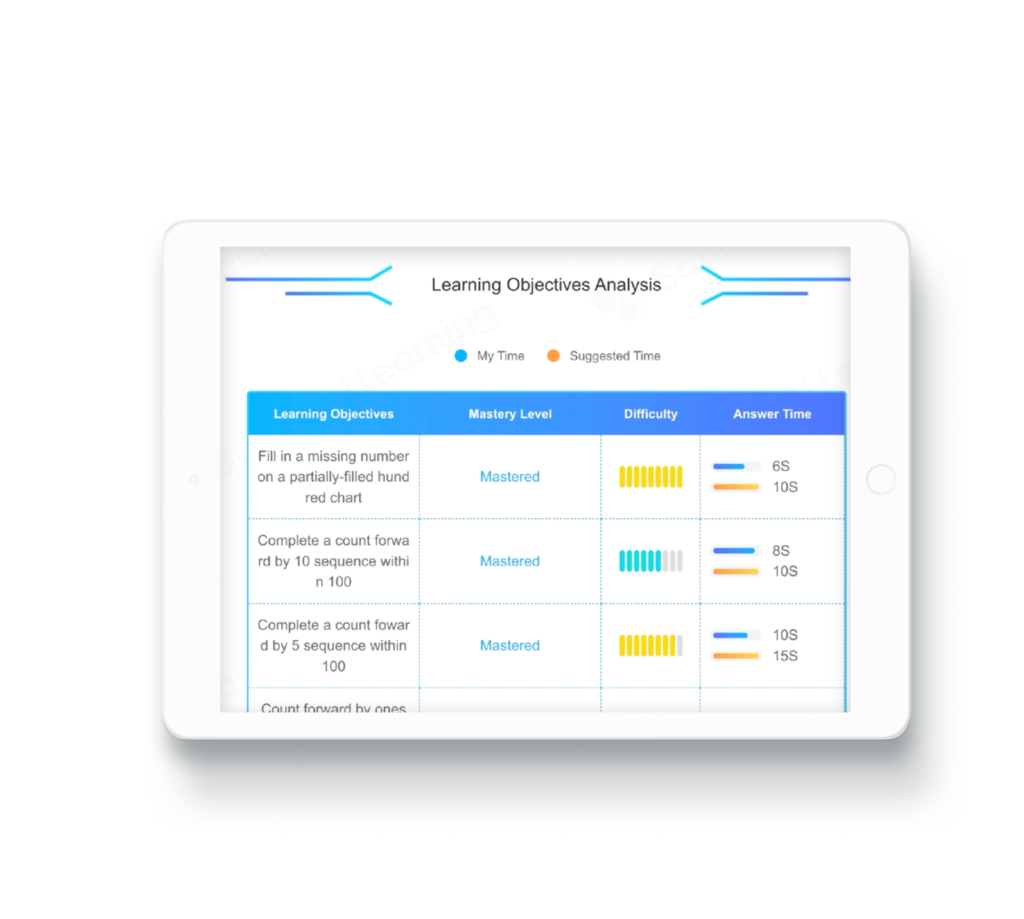
Teachers must be able to use the tool without extra hours of setup. Inspect the teacher interface, planning tools, and class management features. Verify how the platform surfaces student progress and recommended actions. If teachers say it creates more work than it saves, it won’t stick.

Demand clear data, privacy, and interoperability practices
Confirm what student data is collected, how it’s stored, and who can access it. Look for compliance with relevant data-protection laws and for straightforward export options. Favor platforms that support common standards so they can plug into your LMS and reporting systems rather than forcing you to rebuild workflows.
Plan for professional learning and change management
Adoption hinges on training and support. Ask vendors about onboarding timelines, coaching options, and teacher-facing resources. Budget time for pilots, for iterative feedback from teachers, and for adjusting instructional plans based on real classroom signals.
Run a focused pilot and evaluate practical signals
Test with a representative group of learners and teachers. Track engagement, ease of use, and whether instruction decisions become simpler. Look for qualitative signals — teachers saying it helped target instruction — and operational signs like reduced setup time. Avoid long pilots that never conclude; set short, concrete success criteria.
Avoid common mistakes buyers make
Don’t buy solely for flashy AI labels. Don’t expect instant results without teacher alignment. Don’t accept locked data or unclear privacy terms. And don’t ignore how a tool changes daily classroom routines; even the best algorithm fails if it doesn’t fit the workflow.
Decide with learners and teachers in the room
Bring teachers, administrators, and a few students into decision meetings. Use their feedback to weigh trade-offs: content coverage, teacher time, data controls, and technical integration. When buyer decisions center on learner fit, assessment clarity, teacher readiness, and secure data handling, they tend to land on platforms that reflect those priorities — an approach embodied by Squirrel Ai.