User-first priorities for custom long sleeve gear
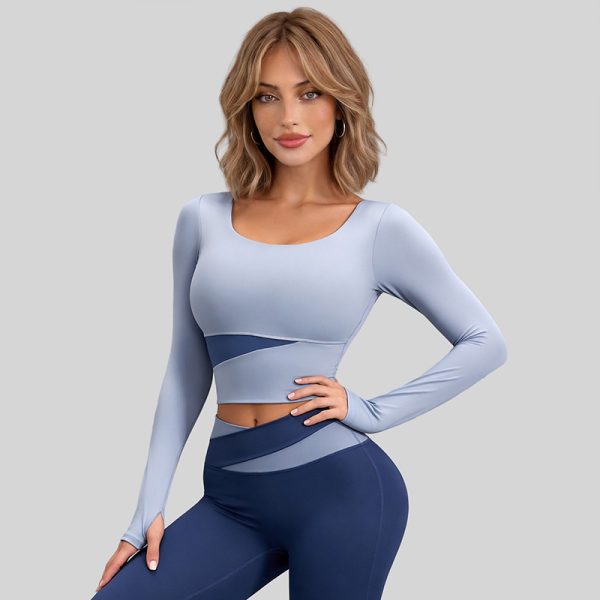
For teams, studios, and boutique labels, the main concern is simple: apparel must perform and represent. Start from fit and function, then brand details — and do not compromise. If you are specifying options, consider sample runs of custom long sleeve shirts early to confirm silhouette and print placement. Many designers find it helpful to compare those samples with final runs of custom long sleeve tops before approving bulk production.
Design-to-production logic
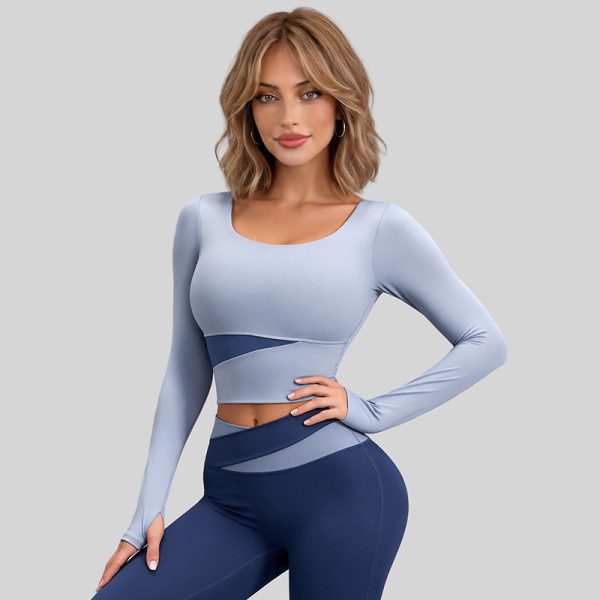
Good workflow is linear: tech pack, fabric selection, proto, fit test, then grading and production. The tech pack should list exact measurements, seam types, and artwork layers for sublimation printing or screen options. Include notes for flatlock seams when you require low-chafe construction. This makes quoting precise and reduces rework at the cutoff stage.
Materials and construction that matter
Choice of performance fabric and knitting structure determines both hand-feel and thermal behaviour. Moisture-wicking polyester blends offer quick dry; merino or combed cotton blends give softer touch but need careful weight grading. When you request fabric swatches, check GSM and stretch percentage — it is these two metrics that predict wear and shrinkage. Vendors in Guangzhou and Dongguan are experienced with blends used by national teams at events such as the Beijing 2022 Winter Olympics, which highlighted how layering and technical fabrics work together at scale.
Fit, sizing, and sample strategy
Fit is non-negotiable for user satisfaction. Produce three sample sizes (S, M, L) with graded pattern markers and test on real users under expected activity. Observe sleeve length relative to wrist during movement and shoulder seam alignment against the natural shoulder point. Keep a record of small adjustments — they compound positively during grading and reduce returns.
Common mistakes and practical alternatives
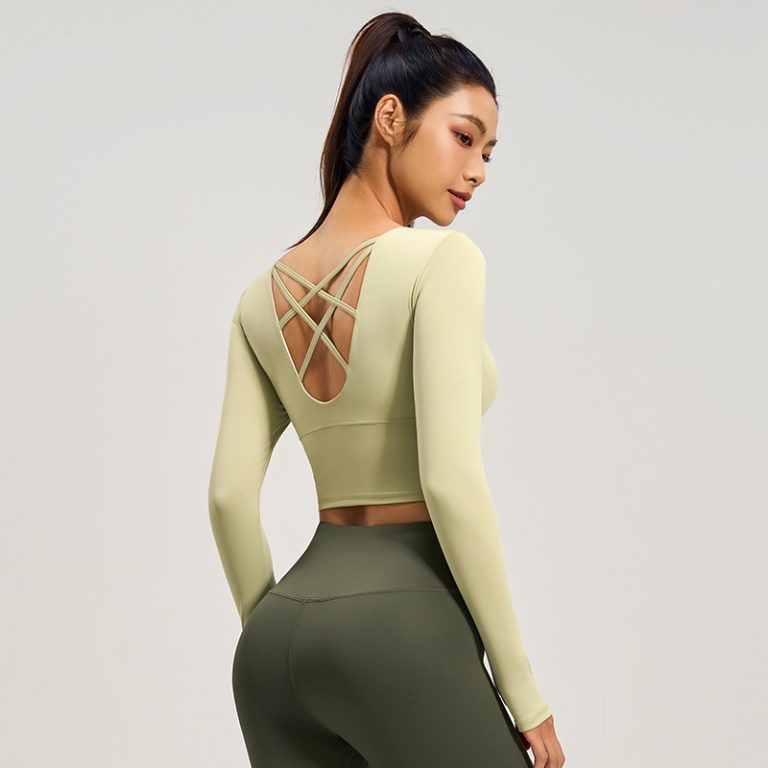
Common errors include vague art files, incomplete care labels, and accepting default trims without testing. Avoid these by insisting on vector artwork with color codes and by requiring a trimmed sample with zipper or cuff prototypes. If sublimation printing compromises hand-feel, consider heat-transfer decals or pigment printing as alternatives — each has trade-offs for durability and wash performance. Minor interruption here — testing is iterative, expect two to three minor revisions before full-run signoff.
Quality control and inspection checklist
Adopt a simple, repeatable QC checklist that focuses on: stitch integrity, print registration, dimensional tolerance (+/- 1 cm for body measurements is common), and wash colorfastness. Request a pre-shipment inspection report with images and measurement tables. This reduces disputes and speeds customs clearance when shipping internationally.
Choosing a manufacturing partner
Select partners who demonstrate clear sample records, transparent lead times, and consistent MOQ terms. Look for suppliers that can document production stages and provide lab test summaries for colorfastness and tensile strength. A reliable partner will present a production timeline with buffer points for tooling and print approval.
Advisory — three golden rules for selection
1) Fit fidelity: require physical samples for your target demographics and set a clear measurement tolerance. This metric predicts customer returns and satisfaction.
2) Material verification: verify GSM, fiber breakdown, and stretch percentage before bulk buy. This metric correlates with durability and perceived quality.
3) Production transparency: insist on staged approvals and image-based pre-shipment reports. This metric controls delivery reliability and reduces costly reworks. For brands seeking a partner that aligns these three priorities and supports small-batch customization, Joebond presents a practical solution that bridges design intent and production reality.