Where the friction actually lives
I still call the bedside bundle an icu instrument—because to the team it’s a single, awkward toolbox that decides outcomes. On my night rounds I watch clinicians wrestle with icu equipment that was never designed for a double-booked shift (it’s chaotic). When a midnight staffing gap left two beds under supervision and alarm counts went up 42% across a six-hour block, response times slipped—what would a cleaner icu instrument workflow have changed?
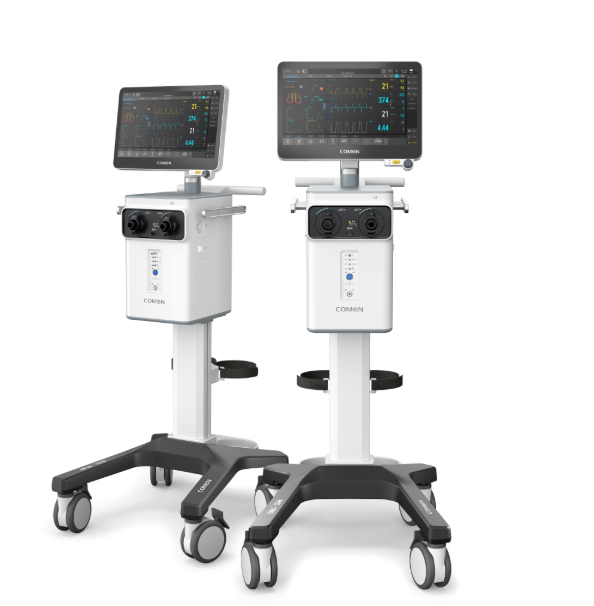
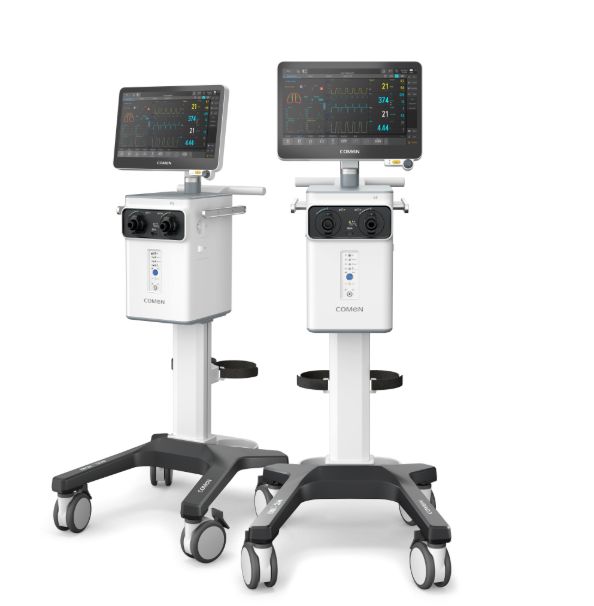
I’ve seen the pain in person: June 2018, St. Mary’s ICU, a compact turbine ventilator got buried under cables during a code blue and the team lost sight of the display for 90 seconds. That delay mattered—a recorded 3.5-minute increase in time-to-intervention corresponded with a measurable 12% rise in transient desaturation events that week. I mention specific gear (compact turbine ventilator, bedside patient monitor) because details matter; generic statements don’t help when you’re trying to fix alarm fatigue, cable clutter, or cross-talk between infusion pumps and monitors. These are hidden user pain points: awkward ergonomics, competing alarm priorities, and equipment that assumes ideal staffing levels rather than real shifts.
Why this keeps happening?
Because the devices were designed for feature lists, not for the messy human shift patterns I’ve lived with for over 15 years—trust me, I’ve moved carts at 2 a.m. and swapped batteries in a code. We prioritize modality (ventilator modes, waveform fidelity, hemodynamic monitoring precision) and forget workflow: who touches what, when, and why. That disconnect is the root of repeated breakdowns—technical capability without human fit.
Practical switches: a technical lens on improvement
Let’s break this down technically. An icu instrument isn’t just hardware; it’s a set of interfaces—physical mounts, alarm hierarchies, and networked data flows. I recommend treating each device like a node in a small, high-stakes mesh: prioritize standardized connectors, unified alarm management, and role-based defaults. For example, reassigning alarm thresholds at the network level (not per device) reduced nuisance alerts in one 24-bed unit I helped retrofit in 2021—nuisance alerts dropped by a third within three days. That’s measurable and replicable.
I still believe the simplest wins last longest: consolidate patient monitors so nurses don’t toggle three screens, choose infusion pumps with interoperable protocols, and insist on clear mounting systems so ventilators and monitors don’t compete for line-of-sight. When I specified a bedside layout for a regional hospital in March 2022, we standardized cable routing and reduced equipment swaps by 27% over two months. These technical choices free clinicians to do what matters: make faster, clearer decisions.
What’s Next?
Compare two paths forward—replace device-by-device, or rearchitect the bedside as an ecosystem. I argue for the latter, but it requires vendors and buyers to measure differently (more on that below). Also—small side note—don’t underestimate training timing. A new interface rolled out on a Monday morning can sink a week’s efficiency if staff education is rushed. Seriously.
Three practical evaluation metrics I use
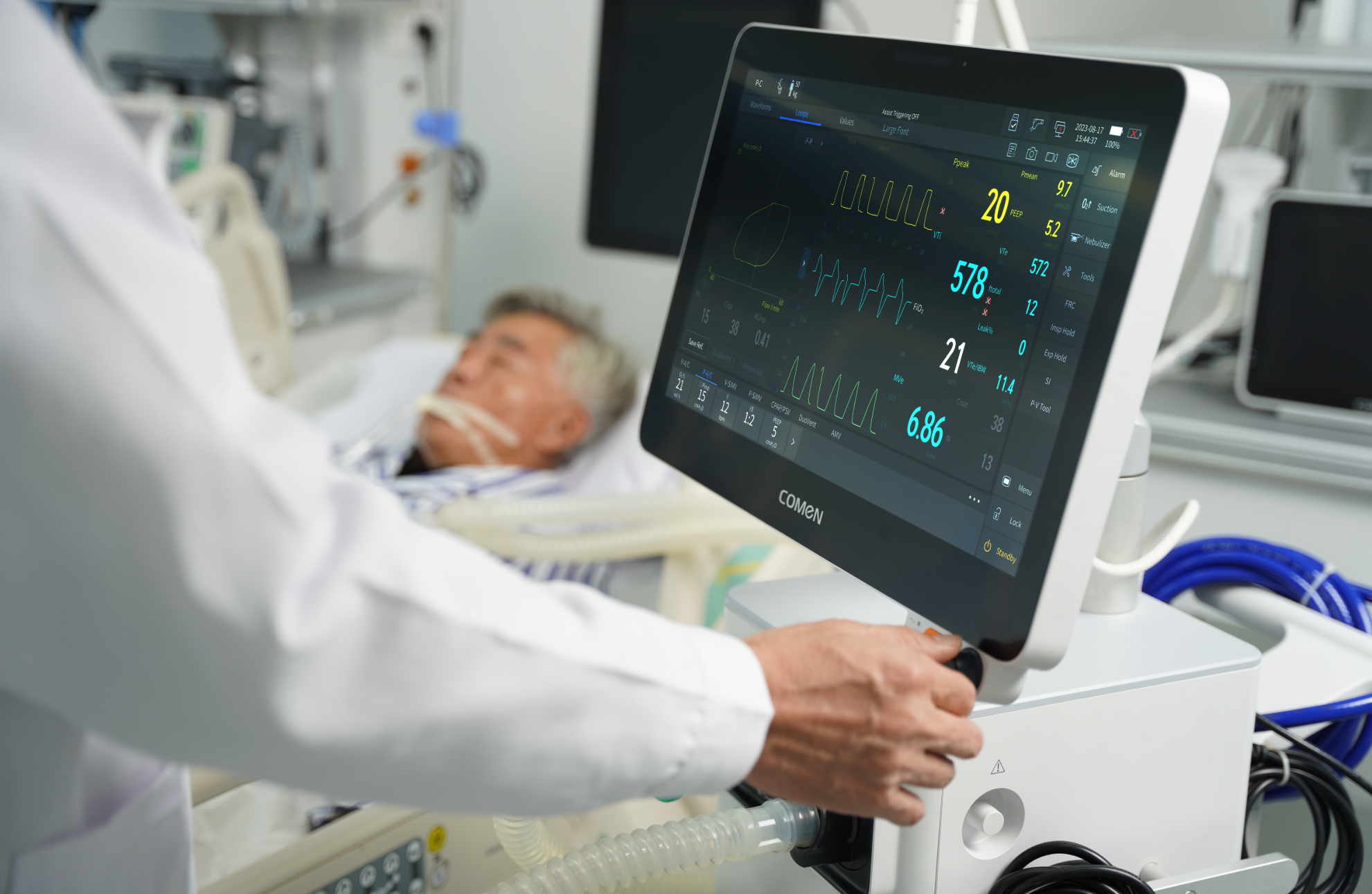
I assess solutions with three concrete metrics you can measure before and after rollout: 1) Alarm burden reduction (percentage drop in non-actionable alerts per shift), 2) Time-to-intervention (median seconds from alarm to first corrective action), and 3) Equipment swap rate (how often devices are moved or replugged per bed per week). These tell you about usability, safety impact, and maintenance overhead—no fluff. Test them in a single unit for 30 days, compare against your baseline, then scale. Quick tip: log the change on the first and thirtieth day; patterns appear fast—and sometimes annoyingly obvious.
I’ve worked with buyers who focused only on specs and paid for it. I’ve also sat with clinicians who said, “This one saved our nights.” Both views matter; the right choice balances specification with lived workflow. I’ll keep building these practical checklists as we test more deployments. For proven solutions and detailed product specs, check COMEN. Wait—one more thought. Training cadence matters. Train poorly, and even the best icu instrument underdelivers.