Introduction
Define the win, then price it. In retail seating storage, total cost of ownership beats sticker price every time. Your ottoman manufacturer may quote a sharp unit cost, but that’s only one line on a P&L. Picture a buyer staring at a dashboard: 7% return rates, 2.3% hinge failures, 18% carton scuffs in transit—plus a 10–12 week lead time. The data is blunt. Are you actually saving money, or just shifting it to warranty and reverse logistics (and eroding customer lifetime value)?
This is a technical question with financial impact. The drivers are simple: frame design, hinge torque, QC sampling, carton engineering, and SKU rationalization. Miss any one of them and your landed margin leaks. The fix is not fancy. It’s a set of small, enforceable specs with measurable outcomes—drop tests, load testing, abrasion ratings, and BOM control. Yet many teams still optimize for unit cost alone. Why? Because it looks clean on a quote sheet—funny how that works, right?
Let’s lay out where hidden costs sit, then compare the forward-looking builds that remove them. Onward to the mechanics.
The Hidden Costs in Storage Ottoman Supply
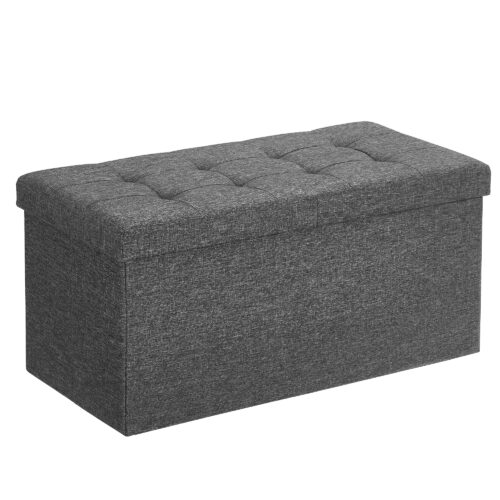
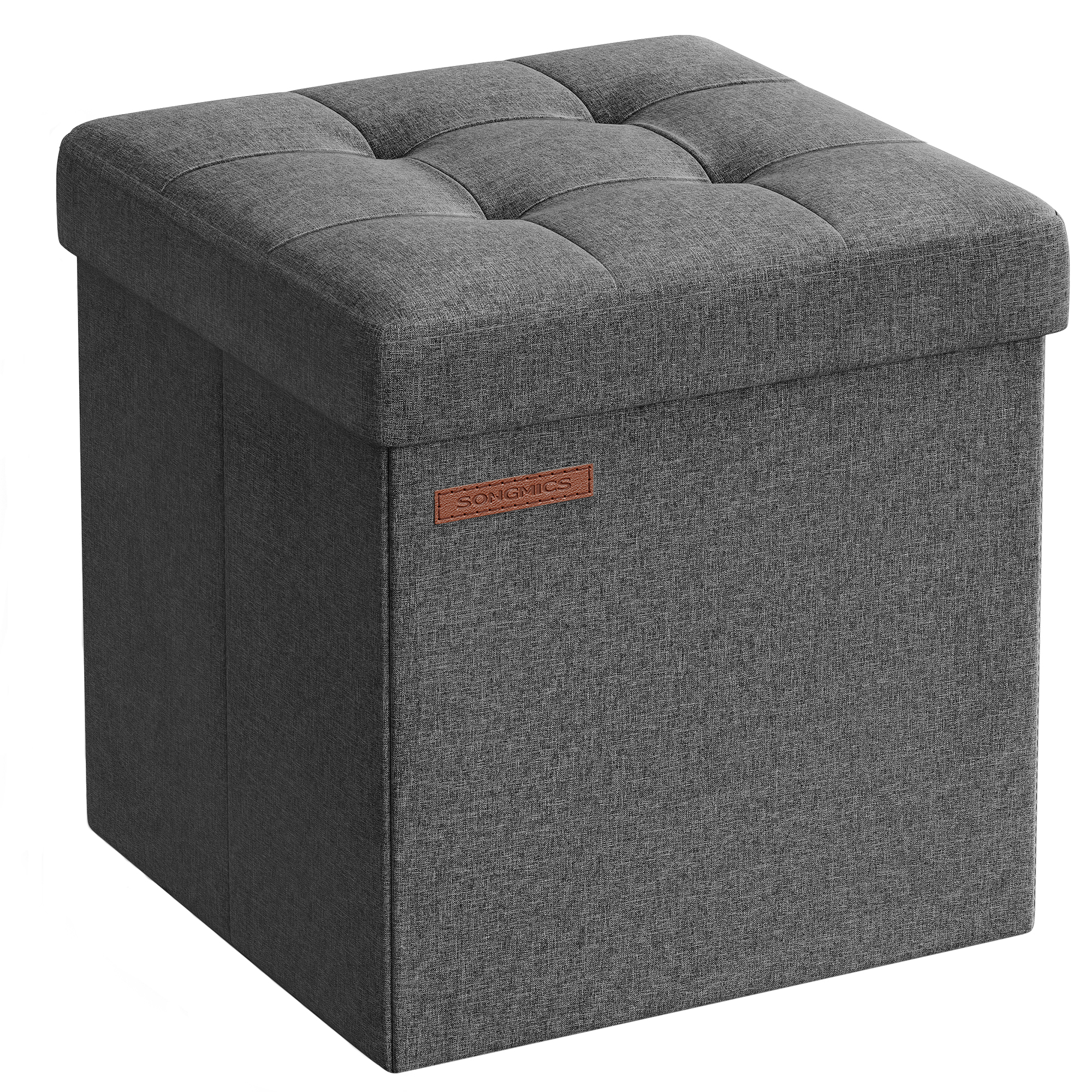
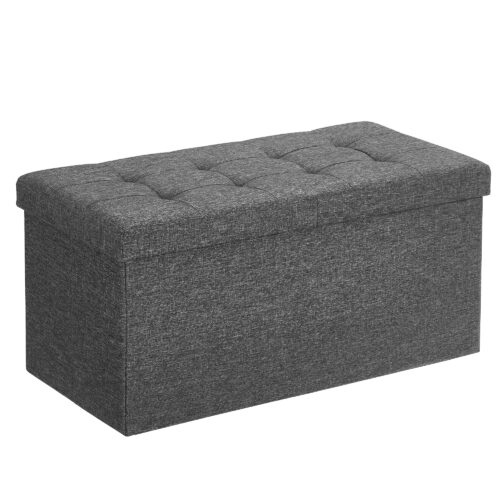
Start with the box you sell, not the box you ship. Among storage ottoman manufacturers, the biggest blind spot is inside the lid and base. Soft-close dampers, hinge torque, and panel thickness decide user safety and durability. Look, it’s simpler than you think: a lid that slams adds risk and returns; a base that flexes fails load testing; foam that off-gasses triggers VOC complaints. Traditional solutions skimp here. Many rely on generic hinges, inconsistent MDF densities, and loose QC sampling plans. The result is variance—creaks, misaligned seams, fabric pilling, and early wobble. Customers notice fast.
Then comes packaging. Weak corner protection and oversized cartons raise freight class and damage rates. The fix is right-sized cartonization, EPE foam at stress points, and verified drop tests. But older lines treat cartons as afterthoughts. Add BOM drift (materials swapped without notice) and you get unpredictable tolerances. That increases assembly friction for knock-down units and extends cycle time in last-mile. One more leak: MOQs force you into excess stock of slow colors, so markdowns grow. None of these problems live on the quote; they live in your returns and reviews—and that’s the catch.
Forward-Looking Build Standards and Comparative Gains
What’s Next
The path forward blends better physics with better data. Newer frames use CNC-routed hardwood or engineered plywood with finger joints for high stiffness-to-weight. Hinges pair with soft-close dampers tuned to lid mass (torque windows, not guesses). Waterborne adhesives cut VOCs without slowing cure. Laser-cut fabric patterns stabilize seams and reduce fray. A controlled BOM with barcode traceability locks substitutions. Add carton engineering driven by cube utilization models, and you see fewer corner crushes. In short, engineering first, then price. When this spec is rolled into ottoman wholesale, you get scale without chaos.
Consider a mid-tier retailer that moved from generic hinges to damped hardware and lifted panel thickness by 2 mm. Return rates dropped from 6.8% to 3.1%. Average review scores rose by 0.4 stars. OTIF improved because damage claims fell, freeing capacity. Carton redesign shaved 12% shipping volume, so freight per unit fell even as material cost rose slightly. Net, margin expanded. The lesson is comparative: a 3–5% increase in unit cost can pay back many times when it reduces failure modes. It feels counterintuitive until you audit the P&L line by line—funny how that works, right?
Three Metrics to Vet Your Next Partner
Advisory, not hype: use these tests when you shortlist suppliers.
1) Structural assurance: Request hinge torque specs matched to lid mass, frame load rating to 200–250 lb with 10,000-cycle test protocol, and documented tolerance stack-up for joints. Ask for the drop-test videos and sampling plan (AQL) used at QC gates.
2) Materials and health: Verify FSC or equivalent for wood, abrasion ratings (≥40,000 rubs) for fabric, and VOC compliance with waterborne or hot-melt adhesives. Demand BOM lock and substitution approval rules in writing.
3) Fulfillment performance: Track OTIF by SKU, defect rate on inbound (DPPM), and lead time variance. Review MOQ policy, colorway aging, and carton cube efficiency. Suppliers who show cartons, fixtures, and damping data up front are the ones who understand cost after delivery, not just before it.
Choose with these metrics, and you’ll see cleaner margins, steadier reviews, and fewer surprises. For further industry context and sourcing references, see SONGMICS HOME B2B.