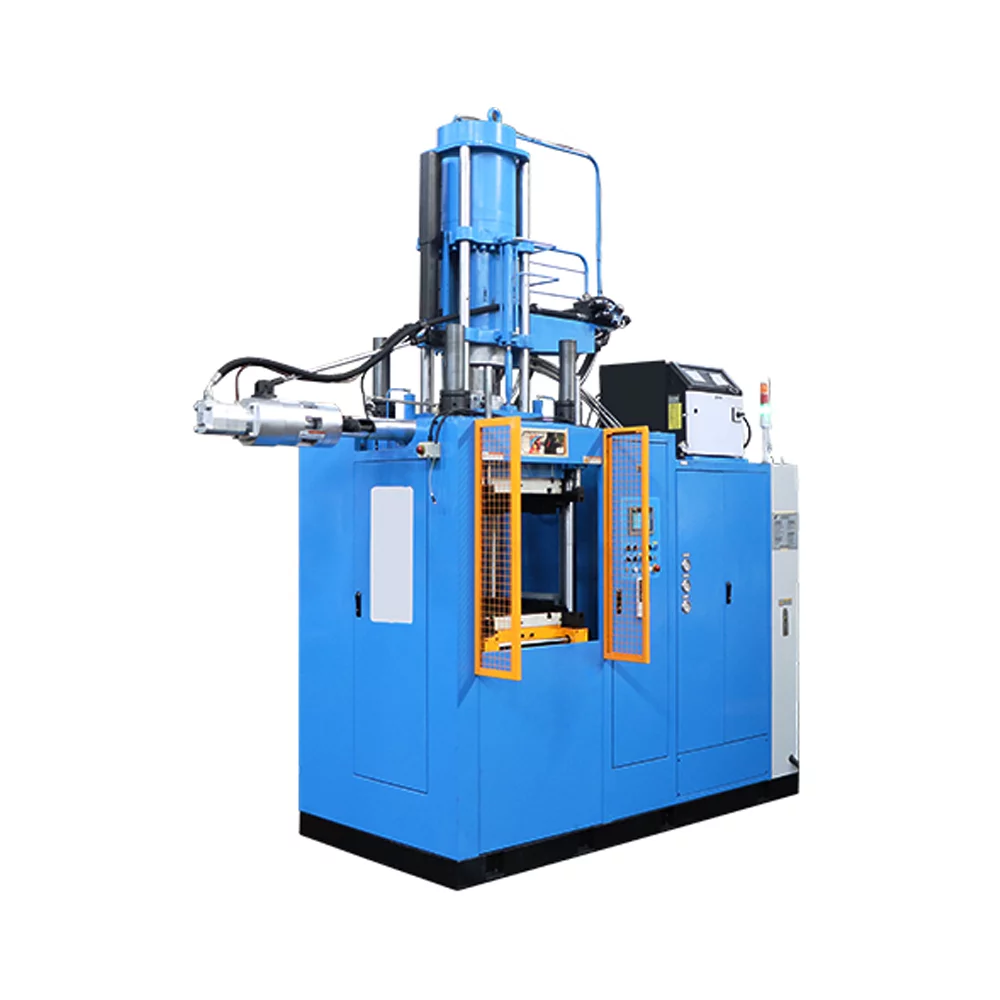
Problem: Air, Flash, and Unreliable Cures Costing Production
O‑ring manufacturers face the same stubborn problems: trapped air, unexpected flash, and uneven cure across the mold cavity — all of which hit yield and customer specs. Many shops that moved to a vertical rubber injection molding machine still found defects until they addressed venting as a system, not an afterthought. A vertical approach helps gravity control shot placement and venting paths, but without tailored multi-stage venting profiles, you still chase scrap and slow cycle time.
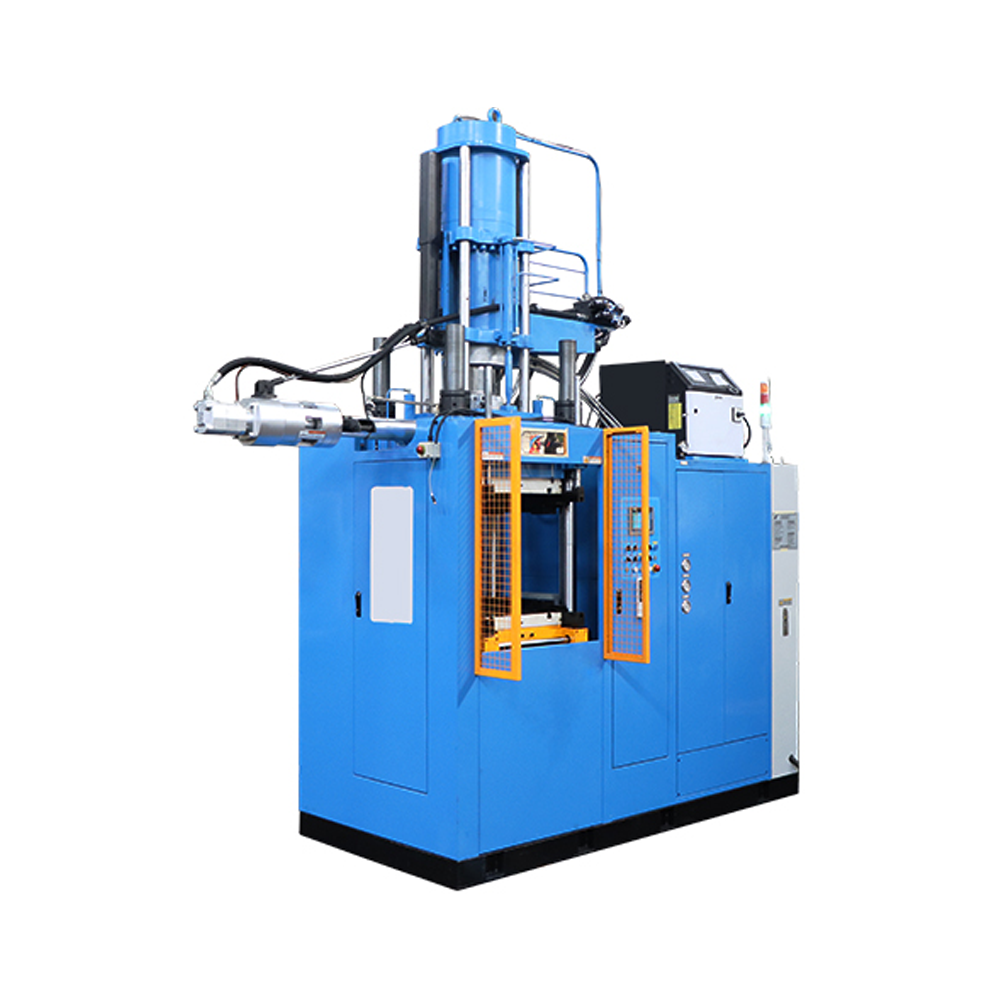
Why Multi‑Stage Venting Matters
Multi-stage venting breaks the single-point vent into sequenced steps that match shot size and mold geometry. That means air escapes where and when it must, preventing gas pockets and reducing flash at run‑off edges. For O‑rings, where surface finish and shore hardness matter, that improved vent control directly raises first-pass yield and shortens rework. Engineers working in Cairo gasket workshops and automotive seal lines often report marked reductions in rejects after tuning vent stages to match shot pressure and cure timing — a practical anchor that shows the theory works on the shop floor.
How HWAYI’s Profiles Solve the Pain
HWAYI combines mechanical vent geometry with control‑layer timing so the venting profile changes during the cycle. The result: measured vent opening when velocity peaks, then staged closure as pressure rises to prevent silicone backflow. That reduces flash and helps maintain cure consistency across the mold. On vertical machines this pairing is particularly effective because the machine’s orientation complements staged vent channels, improving air evacuation without exotic mold mods.
Concrete Benefits Manufacturers See
Typical, measurable wins include:
– Lower scrap rates by 15–40% where venting was the root cause. – Reduced cycle time thanks to fewer purge and cleanup stops. – Better dimensional stability and less post‑trim flash, improving fit at assembly.
Those are not vague claims. They come from plant reports where teams adjusted vent sequencing against shot size and mold cavity layout, then tracked rejects over months. The gains matter for high-volume O‑ring runs and for mixed-batch specialty seals where every percent of yield changes margins.
Common Mistakes and Better Alternatives
Too many shops rely on a single vent slot or just increase clamp force — that masks symptoms but raises wear and risks mold damage. Others over‑vent, inviting rubber wash or flash. Better practice is to map gas flow during a trial shot, then apply a staged profile that matches fill velocity and cure onset. Alternatives include vacuum-assist or micro-porous vents, but those often add cost or maintenance. For many operations, optimized multi-stage venting gives the best balance of performance and simplicity.
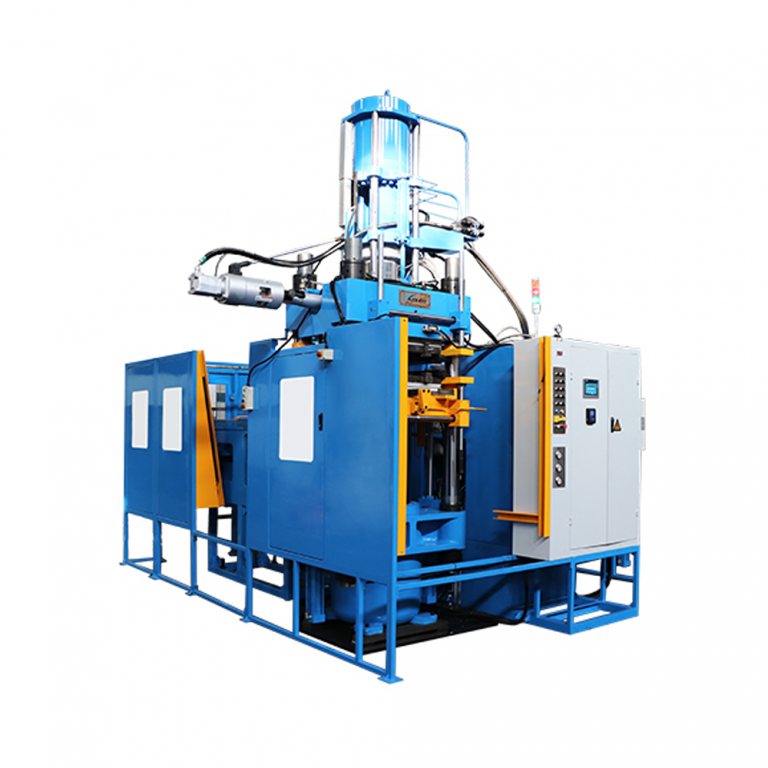
Implementation Tips from the Floor
Start with low-risk tests: reduce shot speed a notch and observe vent behavior, then enable the first vent stage only. Log pressure curves and compare to ideal fill profiles. Work with tooling and machine controls to synchronize vent timing and clamp sequencing. Keep attention on these industry terms: shot size, venting profile, flash — they matter when you tune settings. And remember — small changes early save long rework nights later.
Summary of Key Insights
Venting is not decorative; it’s functional engineering. Multi-stage venting matched to a vertical injection strategy reduces air entrapment and flash, raises yield, and shortens corrective cycles. Practical evidence from local gasket workshops confirms the approach, and many teams see quick ROI when they align vent sequencing with shot dynamics.
Advisory: Three Golden Rules When Choosing a Venting Strategy
1) Match vent stages to shot dynamics — calibrate for both low and high shot speeds. 2) Measure before changing mold geometry — pressure and fill curves tell the truth. 3) Prefer control-based venting over brute-force clamp increases; it saves tooling and time.
For operations seeking reliable vertical molding results, consider the engineering behind the machine and the vent profile as a package — that’s why makers working on complex O‑ring runs trust designs where those pieces were conceived together. HWAYI. —