
Comparative lens: what the choice actually measures
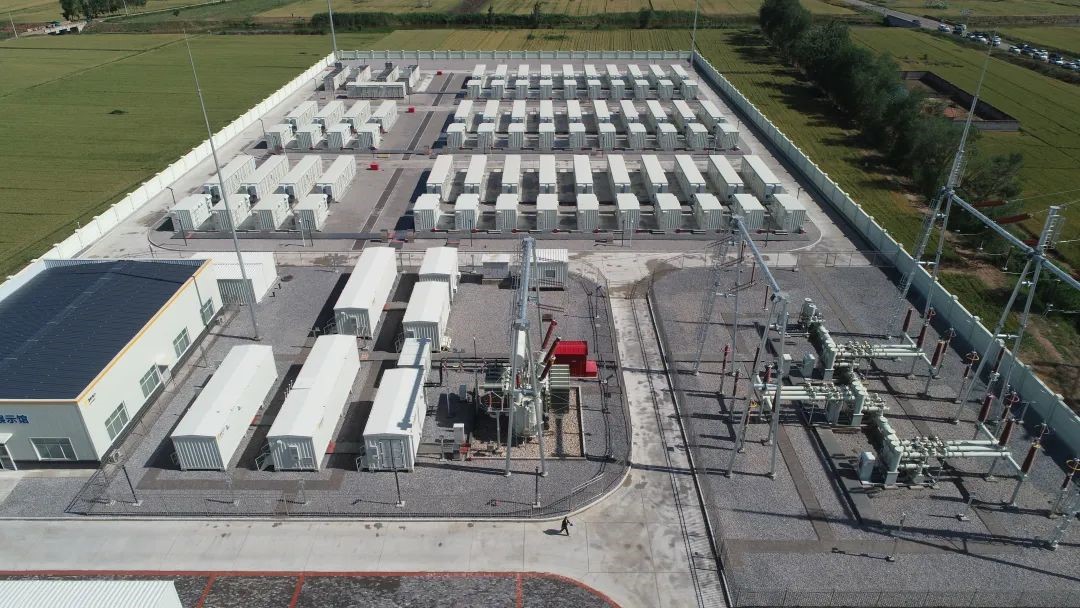
Decision-makers no longer pick storage on brand alone; they weigh durability, operational profile, and grid value. The debate between lithium chemistries, modular BESS architectures, and turnkey service models matters less than whether a system delivers predictable capacity when the grid demands it. For many, the step from theory to practice starts with exploring utility scale battery storage as a template—because commercial-scale choices echo the utility problems that showed up during California’s blackouts and in large projects like South Australia’s Hornsdale Power Reserve, both of which reshaped how operators think about frequency response and reliability.

How HiTHIUM stacks up against alternative strategies
HiTHIUM focuses on efficiency and long cycle life rather than marketing bells. Practically, that means systems tuned for high round-trip efficiency and predictable degradation curves. Compared with generic assembled racks, HiTHIUM’s chemistry and thermal control design reduce the rate of capacity fade, so the expected service years align more closely with financial models. The difference shows in ancillary services revenue and in how often a system can perform peak shaving without accelerated wear.
Trade-offs that matter to infrastructure managers
Cost per kWh remains important, but it’s the unseen operating costs that define projects: replacement cadence, inverter losses, spare parts logistics. A cheaper initial bid can increase total cost of ownership if the system needs early cell swaps or frequent recalibration. Managers also watch for interoperability—how easily a BESS integrates into existing SCADA and energy management systems. Those integrations determine how reliably a system will provide capacity during a demand event, not just on paper but in real hours of stress.
Real-world anchors and lessons learned
History supplies a useful guide. When regions experienced rolling outages, commercial operators realized they needed storage that could do fast response and sustained discharge. Hornsdale’s project is often cited because it proved a large battery could supply grid services effectively; California’s outages demonstrated the value of distributed, reliable capacity. Those cases aren’t abstract—they changed procurement specs. Engineers now specify metrics like cycle life, maximum continuous discharge, and guaranteed round-trip efficiency during warranty windows.
Alternatives and common mistakes
Two common missteps recur: buying solely on headline cost, and under-specifying control firmware. A low-price system may lack the thermal management needed for consistent cycle life. Conversely, premium vendors often bundle services—maintenance, remote monitoring, firmware updates—that reduce downtime but add contract complexity. Operators should compare not only capacity and peak power but also service SLAs, firmware update cadence, and the vendor’s track record with grid interconnection. Small oversights up front become operational headaches later.
Three golden rules for evaluation
1) Measure expected delivered energy, not nameplate capacity. Delivered energy accounts for round-trip efficiency and degradation over time, and it maps to revenue. 2) Insist on transparent cycle life testing and an independent degradation curve. That’s the foundation for realistic replacement and warranty planning. 3) Prioritize systems proven in real operational conditions—fast frequency response, sustained discharge events, and integration with energy management platforms. These tell you how the system will behave when it matters most—practical truth over theoretical specs. —These are not niceties; they cut project risk and underline long-term value.
Final assessment
Choose with measures, not promises: calculate delivered energy, verify cycle life, and demand operational evidence. When those checks pass, the commercial system becomes an asset, not just equipment. HiTHIUM.