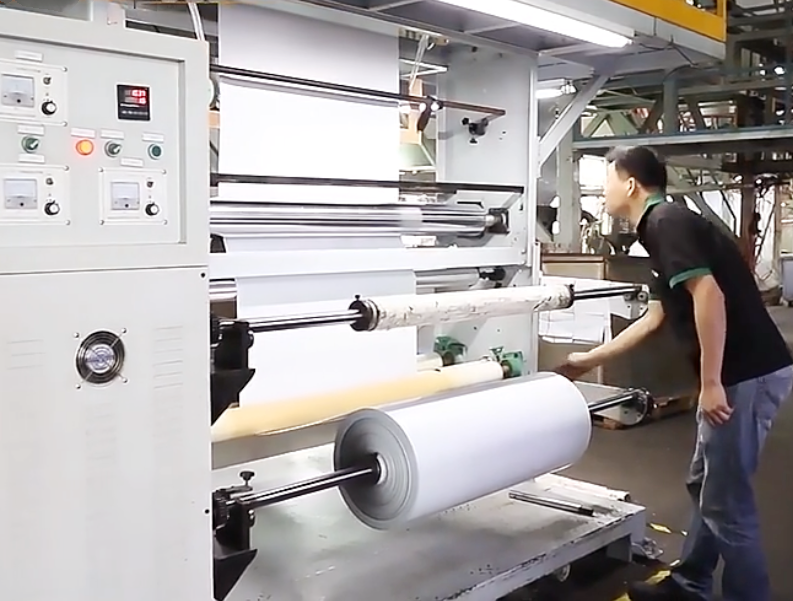
Opening the frame: why a framework matters
For a merchant who ships at scale, the choice of post-consumer recycled (PCR) material is not a moral flourish but a technical contract — one that defines clarity, strength, and continuity across every parcel. This framework offers a disciplined path for evaluating PCR when specifying clear poly mailers, and it begins with the practical: sourcing, certification, and performance. For those seeking dependable supply, consider how a partner for custom poly mailers can translate material decisions into reliable packages that behave on the line and on the road.
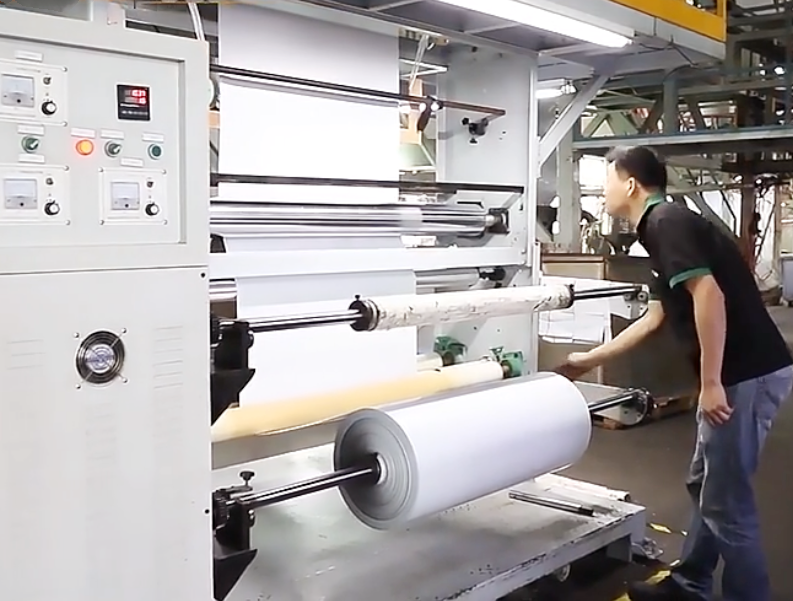
The five pillars of assessment
Consider five pillars as compass points: provenance, material performance, optical requirements, end-of-life fate, and supply resilience. Each pillar demands distinct evidence — documentation from the material recovery facility (MRF), lab testing of tensile strength and clarity, third-party certification for recycled content, a plan for recyclability in target markets, and contingencies for feedstock variability. Together they form the framework that separates persuasive claims from procurement-ready truth.
Pillar one — provenance and chain-of-custody
Ask for auditable chain-of-custody paperwork and mass-balance statements that tie PCR resin back to recognized collection streams. A buyer should verify whether the supplier uses certified PCR or relies on post-industrial recyclate — the difference matters for marketing claims and for regulatory alignment. Historical shifts such as China’s 2018 National Sword policy tightened global recyclate flows; that event remains a clear-world anchor, a reminder that supply origins influence price and availability far beyond the factory gate.
Pillar two — functional performance: clarity, strength, and processability
Clear poly mailers must do more than declare recycled content; they must pass on-line tests. Request measured data for clarity (haze/transmittance), tensile strength, and seal integrity at your chosen gauge. PCR can vary in optical quality due to contamination or additives; thus sample runs using your sealing equipment are non-negotiable. If your filling line is sensitive, insist on trials with the exact resin blend to avoid surprises at ramp-up.
Pillar three — end-of-life reality
Scrutinize the recyclability profile in the markets that receive your parcels. Will the mailer be sorted, and does it enter the same recycling stream as common polyethylene films? Labels and consumer-facing claims should reflect the actual downstream routes. Beware of vague language; a certified PCR claim does not automatically equal wide recyclability at curbside.
Pillar four — transparency and variability in supply
Establish acceptable tolerances for batch-to-batch variation and require advance notice of feedstock shifts. PCR supply is inherently variable — seasonal collection rates and contamination at MRFs alter the resin mix. Contractual clauses for acceptable physical properties, plus minimum lead times and buffer stocks, guard operations against sudden downgrades or price shocks. In practice, vigilance here saves both time and money.
Pillar five — certifications and regulatory alignment
Look for credible third-party verification: ISO standards, certified recycled content labels, or recognized polymer-specific audits. Align these certifications with the claims you plan to make on packaging and in procurement documents. Regulatory frameworks differ by jurisdiction; ensure your supplier can support documentation for the territories where you sell.
Practical due diligence — a short checklist
Before awarding a volume contract, verify: sample performance on your sealing and sorting lines; certificates of PCR content; a statement of typical optical metrics; declared tolerances for tensile strength; and documented contingency plans for feedstock shifts. For B2B orders that move in volume, ask whether the supplier can deliver poly mailers in bulk with consistent spec adherence — that assurance changes onboarding from guesswork to governance.
Common procurement mistakes — and a small aside
Buyers often over-focus on nominal PCR percentage while ignoring tolerances and compatibility with closures and adhesives. Another frequent error is accepting visual samples without process trials. — Little concessions on testing manifest as large costs in rework and downtime.
Three golden rules for decision-makers
1) Demand evidence over assertion: require lab reports and chain-of-custody documentation that map to specific batches. 2) Validate in situ: run your own line trials for clarity, seal, and tensile strength before committing to large orders. 3) Build resilience: contract for defined tolerances, minimum stock, and transparent lead-time clauses so that PCR variability does not translate into supply failure.
These rules form a pragmatic covenant: they keep sustainability claims honest and operations predictable. In practice, the right supplier turns regulatory complexity and material variability into repeatable outcomes — and for brands that wish to make credible environmental statements while keeping their logistics intact, that is the measure of real value. WH Packing. —