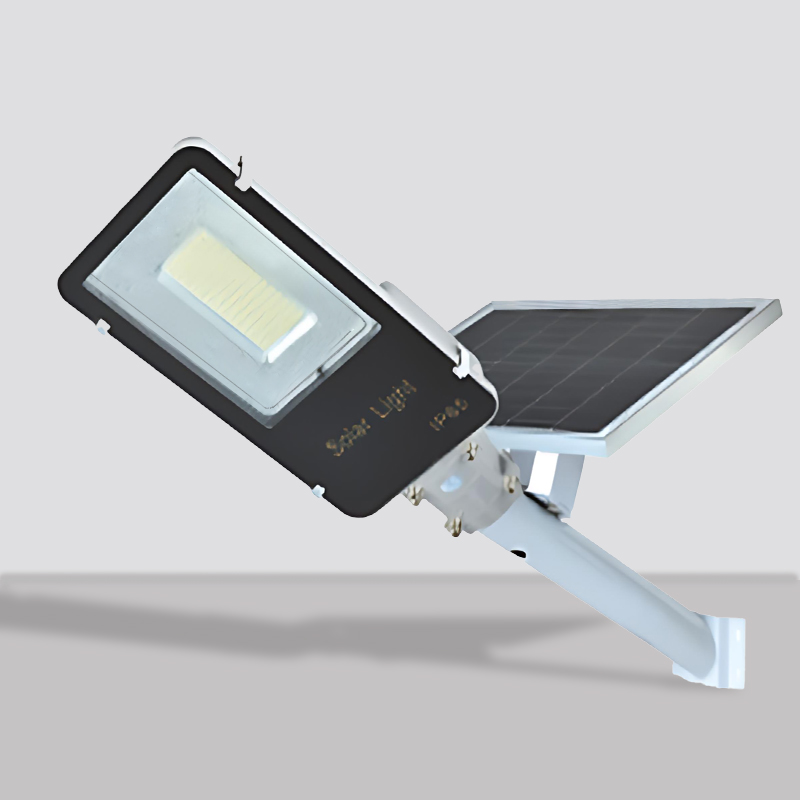
I’d like to share some insights on selecting solar street lights—something that’s become increasingly relevant. Picture this: urban areas are facing energy shortages while attempting to reduce their carbon footprints. Did you know that solar power is a viable solution for outdoor lighting? Solar street lights, especially solar powered led street lights, not only help cut energy costs but also maintain environmental sustainability. So, what should you consider when choosing the right solar street lights for your community?
1. Understand Your Lighting Needs
To make the right choice about solar street lights, first assess your specific lighting needs based on your community’s requirements. You might prefer brighter lights for bustling streets or softer illumination for parks. Knowing your area’s unique situation can help narrow down your options, ensuring you find the perfect fit. I recall working with a small neighborhood that sought to replace old, unreliable street lamps—this helped us focus on lights with high lumens and durability suited for outdoor conditions.
2. Assess the Battery Technology
The battery technology of solar street lights can significantly affect performance. Lithium-ion batteries, for instance, allow for longer lighting durations and shorter charging times compared to older lead-acid versions. I observed that some districts were using outdated battery systems—this led to frequent outages during cloudy days. By switching to modern solar powered led street lights, they could provide consistent illumination, no matter the weather. Crazy, huh?
3. Evaluate Solar Panel Efficiency
When selecting users’ preferred solar street lights, I always recommend considering the efficiency of solar panels. Higher-efficiency panels convert more sunlight into electrical energy, meaning lights stay illuminated longer and are more reliable. Look for panels that have a high conversion rate, like monocrystalline options. However, they come with a cost. But in my experience, the initial investment pays off in reduced maintenance and electricity bills.
4. Choose Smart Lighting Solutions
Why Go Smart?
Smart solar street lights equipped with sensors can save energy by adjusting brightness based on pedestrian activity. For example, these lights can shine brighter when people are nearby and dim when the area is empty. This flexibility not only conserves energy but extends battery life. I remember installing a smart lighting system in a residential area, and the residents expressed their gratitude for the enhanced safety and efficiency the new system provided.
5. Durability and Weather Resistance
Living in regions subjected to harsh weather conditions? Seek solar street lights designed to withstand extreme temperatures, rain, and wind. Aluminum or high-grade polycarbonate materials offer better longevity than cheaper alternatives. Streets with good-quality lights typically have fewer maintenance issues. I’ve seen entire neighborhoods transform when they shift to more durable, weather-resistant lighting solutions—reliability is key!
6. Check for Compliance with Local Regulations
On a community level, understanding local regulations is essential. Some areas may have specific requirements regarding pollution levels or aesthetic considerations. Ensure your chosen solar street lights comply with these rules to avoid potential setbacks. Working in various jurisdictions, I’ve often had to adjust specifications just to meet local standards. Missing these details can lead to complications down the line—a little knowledge can save you big headaches.
7. Assess Longevity and Warranty
A final tip for picking the right solar street lights is checking warranties and product longevity. Quality products typically come with extended warranties, signaling a manufacturer’s confidence in their design. I’ve encountered situations where clients didn’t check warranties and ended up with lights that malfunctioned just after installation. Trust me, investing in reliable products with robust warranties can save you time and money in the long run.
What’s Next?
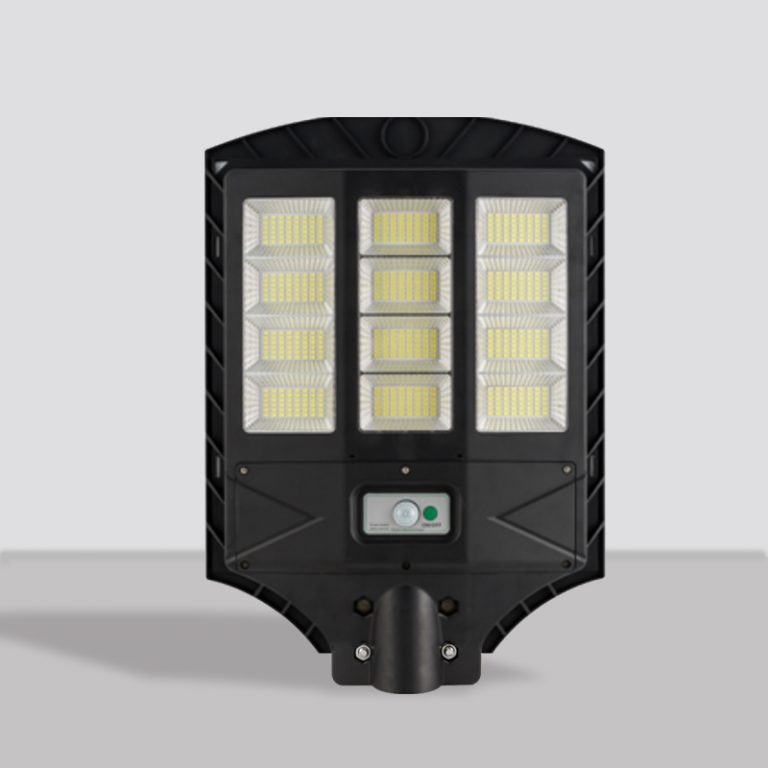
As communities strive for sustainability and smarter energy solutions, solar powered led street lights are gaining attention. These lights not only reduce carbon footprints but also enhance the safety and security of neighborhoods. With the right considerations, your choice can lead to a win-win situation—eco-friendly lighting that genuinely meets the social needs. Make informed decisions, and remember to evaluate key metrics like durability, efficiency, and local compliance to ensure you’re getting the best value. If you’re ready to explore what’s out there, check out THOE for some top-notch options.