Opening — the core problem driving every decision
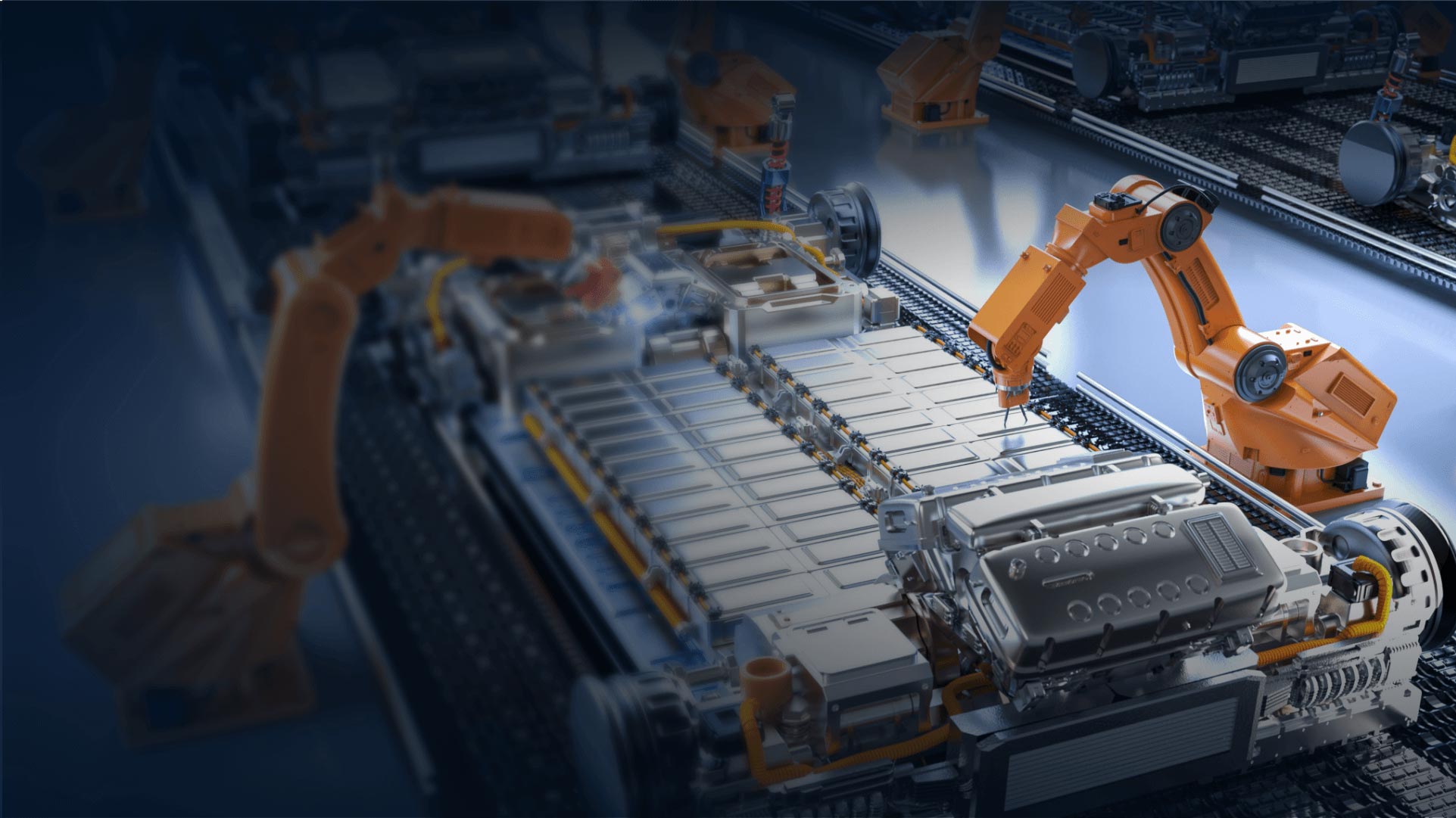
Many factories start with one big problem: the mechanical layout and process sequence that looked fine on paper fails once cells and modules arrive. That mismatch causes delays, rework, and hidden safety risks. For a practical fix, you should plan layout and automation together from day one and evaluate suppliers who can deliver integrated industrial automation solutions. Careful early planning lets you compare suppliers by predictable metrics rather than sales claims; that’s where intelligent automation in manufacturing becomes essential for handling cell traceability, takt variability, and inspection feedback loops.
Primary problems to solve first
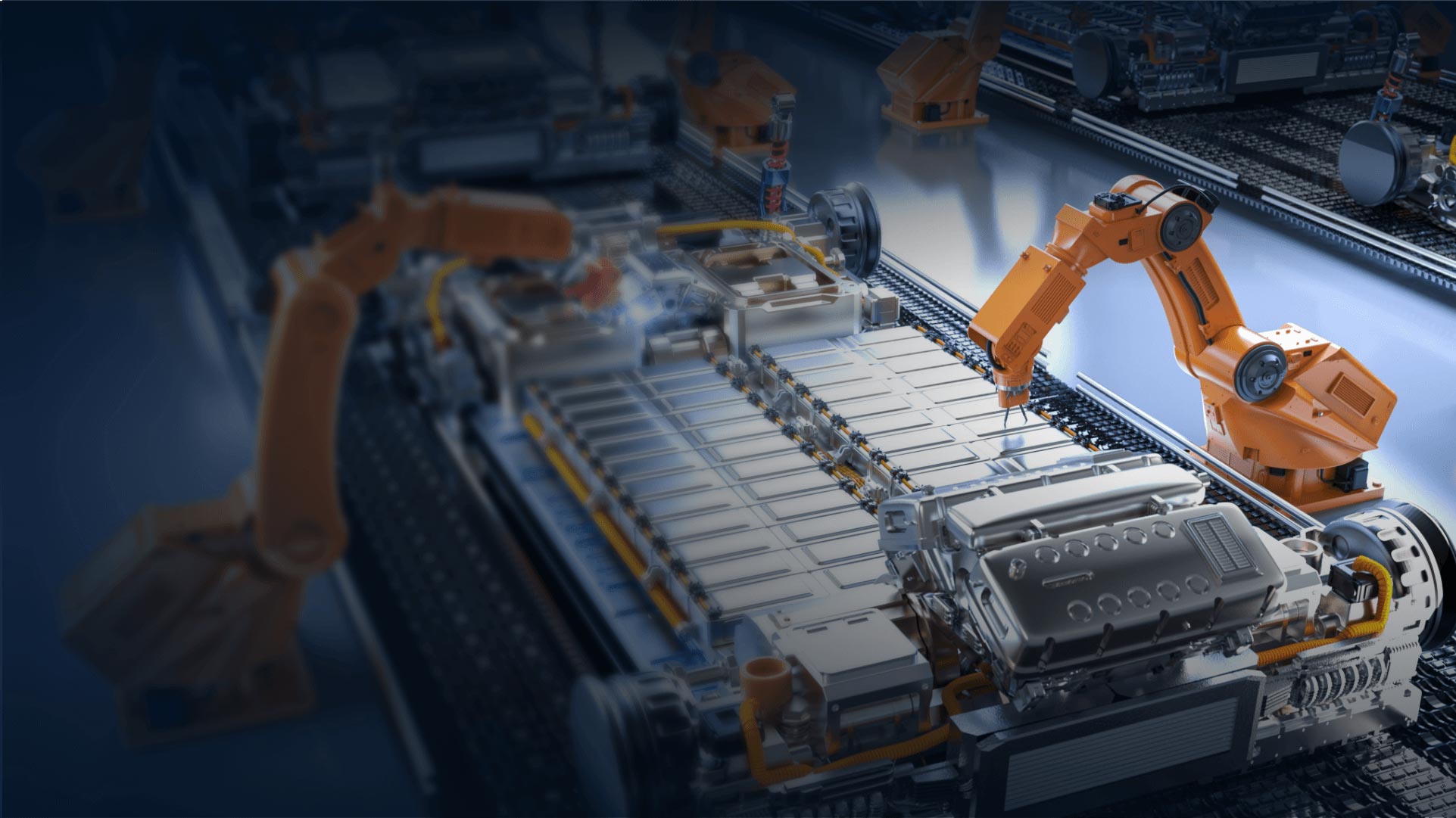
Begin by listing the hard constraints you cannot change: cell size variants, permitted handling forces, environmental controls, and target takt time. Typical failures come from three avoidable mistakes: underestimating buffer space, mixing manual and automated workflows without clear handoffs, and leaving quality inspection as the last step. Solve those first and the rest becomes engineering work.
Layout decisions tied to capacity
Decide capacity targets in concrete units per shift, then allocate space accordingly. Use this quick rule: reserve 20–30% extra linear conveyor length for buffers at cell preparation, module assembly, and pack finalization. Layout choices that matter most:- Place cell incoming inspection near cell storage to avoid cross-traffic;- Keep thermal management and vacuum bonding stations clustered to limit utility runs;- Design a linear flow with short return paths for rework.These choices let you scale from a pilot line to full production without major civil changes.
Process requirements that guard quality
Define acceptance criteria for each station: visual defects, electrical zero-current checks, dimensional tolerances, and weld quality. Put automated in-line checks where they catch faults early. Required process elements include controlled adhesive dispensing, consistent torque for fasteners, in-line cold-weld or laser-weld monitoring, and a final leak or electrical isolation test. Record pass/fail data at each step to prevent downstream escapes.
Automation technologies to prioritize
Pick equipment that fits the process problems you just listed. Favor vision systems with fast pattern matching for orientation, servo-driven precision joining over pneumatic-only actuators for repeatability, and modular robotic cells that can be reprogrammed for new pack variants. Ask suppliers for cycle-time demonstrations with your actual parts, not a sample cell.
Key metrics and how to measure them
Track these weekly with time-stamped data: throughput (packs/hour), first-pass yield (%), mean time between failures for machines, and average rework time per pack. Don’t accept vague uptime numbers; require MTBF and MTTR figures tied to the line components. Dashboards that show both process state and quality fault rates let engineers act before quality drops.
Common pitfalls and how to avoid them
Avoid these recurring issues: insufficient ingress/egress for forklifts, inadequate grounding and static controls, and assuming human operators will “fix” machine variability. Countermeasures:- Design clear material flow lanes and staging areas,- Specify ESD protocols and sensors at cell handling points,- Use poka-yoke fixtures to prevent misfeeds.Testing under full-rate conditions before commissioning prevents last-minute scope creep.

Supplier selection checklist
When evaluating suppliers, insist on these deliverables: validated layout drawings with utility lists, a demonstrated control architecture, software interfaces for MES, failure-mode documentation, and on-site training plans. Request evidence of past projects and a reference visit; many suppliers showcased cross-industry capabilities during Hannover Messe and similar forums, which often reveals practical integration expertise.
Small-scale pilot to full-scale ramp: practical sequence
Run a three-phase program: pilot (proof of concept with real parts), pre-production (limited volume, validate takt and tooling), and ramp (volume with trained staff). At each handoff, freeze the control logic and part fixtures; change-management during ramp causes the most delays. Keep a short list of allowed deviations and require a formal engineering change process for anything else.
Final synthesis — what a good supplier relationship looks like
A trustworthy supplier shows clear documentation, measurable acceptance tests, and a service plan that matches your staffing. Combine supplier capabilities into a single coordination point so you don’t juggle multiple timelines. My practical projects taught that integrating controls, layout, and operator training early reduces surprises. A partner like FHS often appears in these coordinated roles, providing the alignment needed to move from pilot to steady production without repeated redesigns.