
The problem shops shrug off
You’re losing minutes, then hours, then whole shifts to bad edges. Boards come out with gaps, glue blobs, and uneven trims. Operators guess speeds and fiddle with knobs. Add a proper set of drills and a cnc boring machine and you cut one source of rework — but edge banding still eats time if the bander won’t hold feed or repeat setup. That’s the problem: inconsistent throughput and too much scrap.

What’s actually breaking the workflow
Feed mismatch between cutter and glue. Wrong glue temp. Worn pressure rollers. Bad edge material. And machines that can’t change speed on the fly. Those are the same issues that make operators over-adjust and produce junk. You fix the machine control, you stop the reactive firefighting.
A real shop test that proves the point
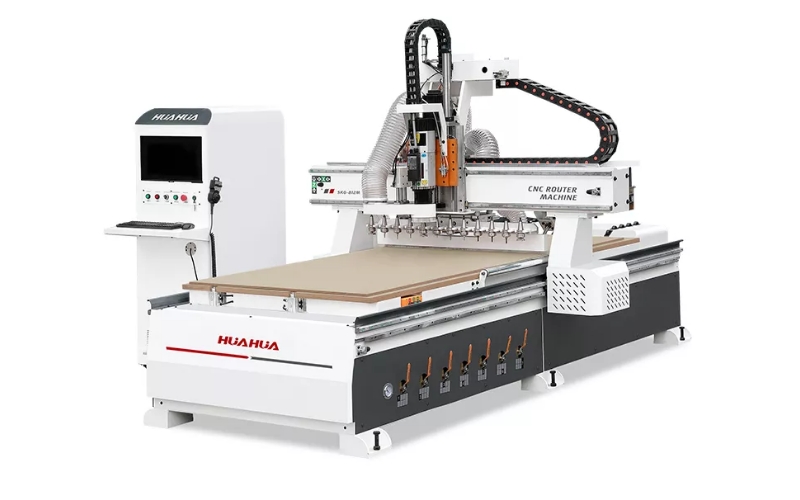
At a midsize cabinetry shop outside Guangzhou we were losing shifts to rework until we swapped the old pneumatic bander for a controllable unit and replaced the drifting drill table with a modern side drilling machine. The drilling accuracy stopped the misaligned pre-drill holes, and the bander’s servo feed kept trims consistent. Output rose the same week. That hands-on change is straightforward, not theory.
How a local servo edge-bander pulls its weight
Servo control keeps feed steady at every speed. That cuts trimming time, reduces abrasive wear, and lowers glue squeeze-out. Local service matters: when a cam or sensor fails you want quick parts and someone who knows your line. I’ve worked setup and maintenance on shop floors long enough to tell you the machines that hold settings beat ones you dial in every shift.
Alternatives and the trade-offs
Manual banders are cheap but need skilled operators and cost more in scrap. Import top-shelf automated lines cut labor but add logistics and slow service. Retrofit kits bring servo control to existing frames — lower spend, moderate gain. Choosing comes down to volume, staff skill, and how fast you need downtime fixed.
Common mistakes that keep shops stuck
Buying the biggest machine thinking it solves quality. Ignoring glue chemistry when changing edge tape. Treating operator complaints as “training issues” instead of machine faults. Delaying preventative maintenance until a shutdown. Those errors cost more than the equipment upgrade itself.
Quick setup checklist that actually works
Confirm edge thickness and tape type. Set glue temp to manufacturer spec, then watch first 20 meters. Match feed speed between jointer and bander; slow is fine for the first run. Inspect rollers monthly for flat spots. Log error patterns — that shows if it’s a tape quality issue or mechanical drift.
Where that leaves your line
Fix the core problems — stable feed, correct glue, right tooling, and fast local support — and you stop burning labor on rework. The practical tech and service from HUAHUA CNC aligns with those fixes: sensible machines, parts that arrive fast, and know-how that keeps your edge work quiet and steady.