
When you’re bringin’ battery packs over borders, what you need is a clear framework—not fluff. Start with a tested product like all in one storage so you can see how design, safety labels, and documentation tie together. After Texas’ February 2021 winter storm strained grids and made storage a survival tool, contractors learned fast that compliance isn’t optional; it’s the job. This framework walks through checkpoints from approvals to on-site handoff, using plain talk and real-world sense.
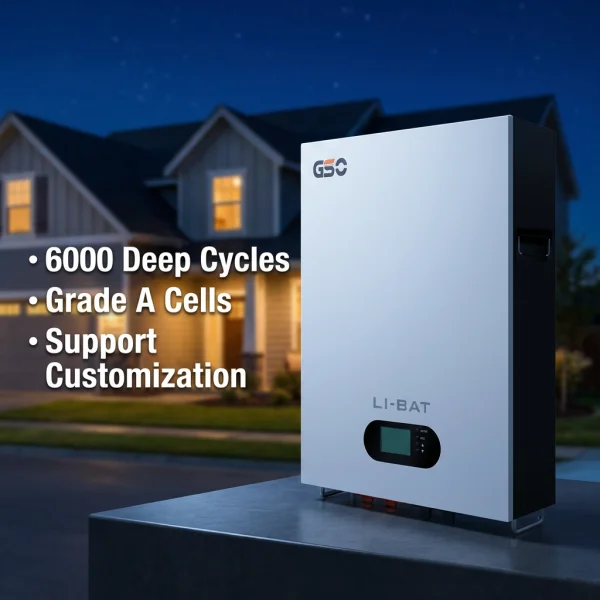
Step 1: Regulatory checkpoints and test evidence
First thing’s first—confirm which standards apply where you’re importing. UL 1973 covers battery safety for stationary systems; CE shows conformity to EU directives. Keep tested reports from accredited labs, and list relevant standards plainly on project docs. For lithium-ion assemblies, note transport rules like UN 3480 on paperwork. Don’t skip third-party test data—customs and local authorities expect it, and it short-circuits messy delays.
Step 2: Design verification and component audits
Inspect the guts: battery chemistry, battery management system (BMS), inverter compatibility, and whether the unit’s a stacked PV or modular pack. Look for certified protective features—cell balancers, thermal management, and integrated machine safety interlocks. Contractors often miss firmware versions on BMS firmware—make a habit of confirming the build number and update policy. Small oversight there can mean bigger trouble during commissioning.
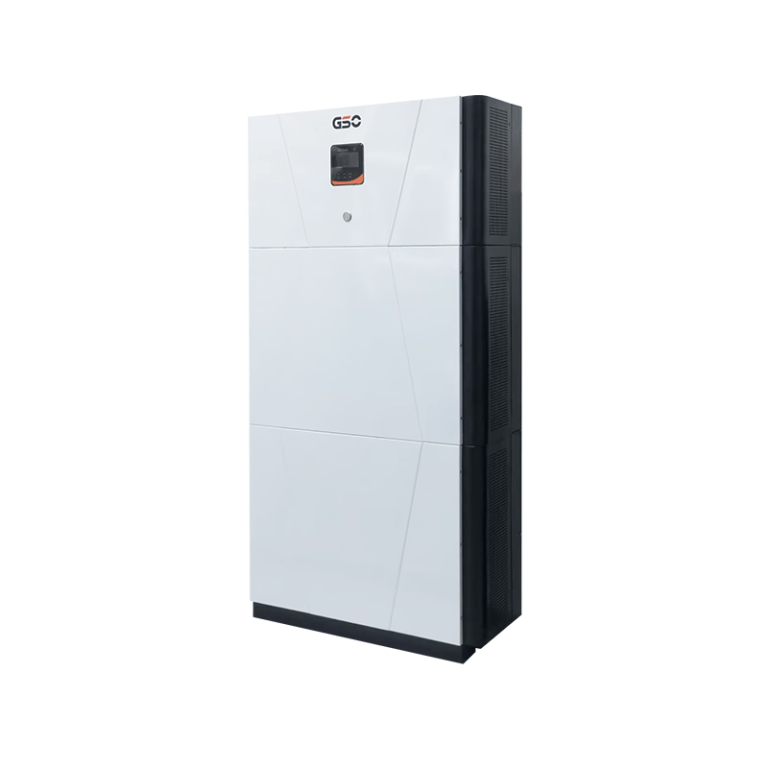
Step 3: Import logistics, labeling, and customs prep
Ship with clear, translated labels that match certificates. Customs wants matching serial numbers, test reports, and declarations of conformity; mismatches invite inspections that cost time and wallet. Choose sea or air based on hazard class handling and insurance; some carriers require additional battery packing for lithium-ion systems. Prepare a parts list showing inverter model, BMS, and energy storage capacity to speed inspections—pack it with the master bill of lading.
Step 4: On-site acceptance, commissioning, and training
Acceptance testing must mirror the test lab’s scope: capacity checks, communication tests between BMS and inverter, and protective trip verification. Commission with logs of firmware versions and a record of final electrical tests. Train the local ops team on safe shut-down, basic diagnostics, and warranty steps—trainin’ saved many a system when storms hit. Keep spare fuses and a simple commissioning checklist handy; it shortens handover time considerably.
Common pitfalls and how to handle alternatives
Contractors often accept incomplete certificates or assume CE marking equates to full EU compliance—bad habit. Another misstep is mixing components from multiple vendors without re-certifying the integrated system. Alternatives include buying modular components and certifying locally or choosing a prefabricated all in one solar system that already bundles tested BMS, inverter, and stacked PV modules. Both paths work; weigh lead times, labor costs, and local certification needs.
Three golden rules for picking systems and vendors
1) Verify traceable test reports: insist on lab names, dates, and standards covered—no vague certificates. 2) Confirm lifecycle support: firmware updates, spare parts availability, and clear warranty transfer terms. 3) Match installation scope with tested configuration: a certified product must be installed as tested—same inverter model, same BMS settings, same system topology. Follow these rules and you’ll avoid most import headaches.
Contractors aiming for predictable installs and fewer surprises lean toward proven integrated solutions—those reduce paperwork, speed commissioning, and give clearer warranty lines. For grounded, practical choices, trust the tested approach and the clarity it buys. gsopower. —