Problem overview: why sourcing at scale feels riskier than it should
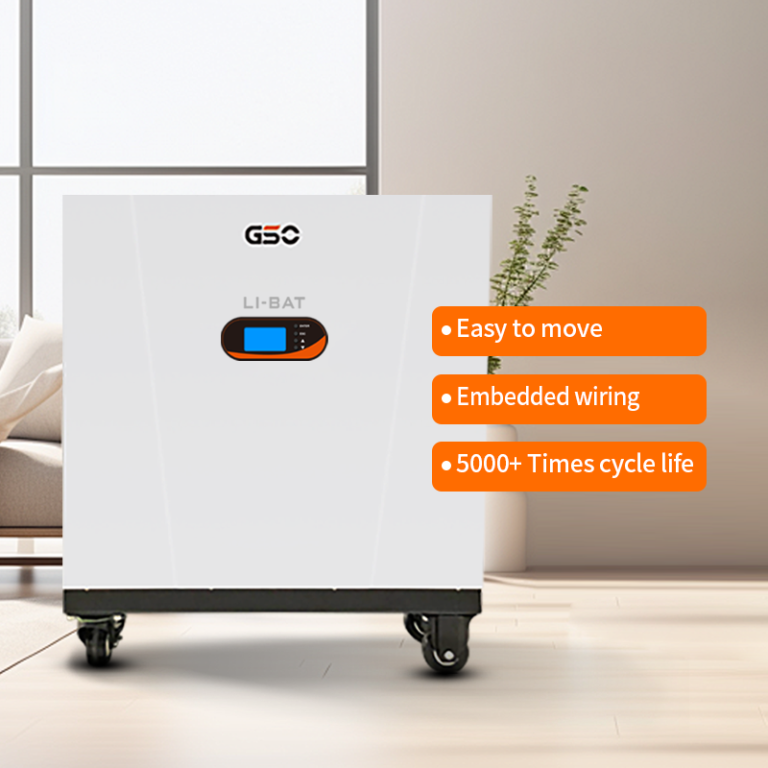
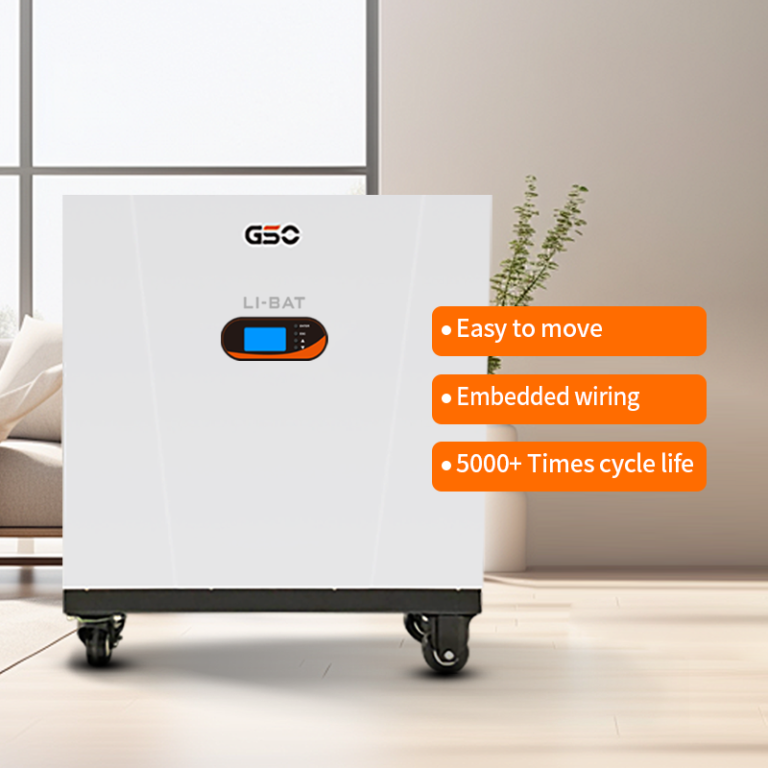
Businesses buying bulk home battery systems face two immediate bottlenecks: port tariffs that inflate landed cost, and dangerous-goods rules that complicate movement. For B2B buyers in regions like the Kathmandu Valley—where intermittent supply after the 2015 earthquake showed how valuable decentralised storage can be—these barriers translate into delayed installations and unpredictable pricing. One practical option many importers test on small runs is the Portable Solar Power Station, but scaling to container quantities introduces customs classification, carrier limits, and documentation work that change project economics.
Port tariffs and the true cost of arrival
Tariffs are not a single number. Duties, handling fees, port storage, and local taxes stack on top of the unit price and often exceed expectations. Classification matters: how customs code a battery pack—whether as an “electric accumulator” or a finished home energy product—moves it between tariff brackets. Freight terms (Incoterms) shift who pays for duties and at what point risk passes. Smart sourcing teams model total landed cost per kWh, not just unit price; this includes freight, duty, and inland delivery. Using bonded warehouses or staged import (assembly in free zones) can lower immediate duty exposure and simplify compliance.
Dangerous-goods logistics: the practical compliance checklist
Lithium-ion batteries carry regulated status under UN3480 and related air/sea rules. Carriers and ports enforce limits on State of Charge (SOC) for air shipments and require tested, labelled packages with an integrated Battery Management System (BMS). Many express carriers refuse bulk loose batteries by air—sea freight becomes the practical route despite slower transit. Proper documentation, tested cell chemistry records, and certified packaging keep goods moving; missing any of these elements can trigger quarantines or costly rework. For a balanced supply chain, consider modular shipments with some units declared as installed equipment to ease classification—this is a recognised workaround when applied correctly.
Route selection and logistics tactics
Choosing sea, air, or a mix depends on speed, cost, and regulatory friction. Sea containers often handle mass shipments more predictably, but carrier surcharges and terminal handling add fees. Fast-moving projects may opt for partial air transport for inverters and electronics while shipping battery modules by sea. Work with freight forwarders who specialise in dangerous goods; they will advise on SOC limits, UN markings, and whether you need special permits. Some suppliers offer pre-shipment testing and documentation that reduce port hold-ups—this service often justifies its fee through faster customs clearance.
Common mistakes and how to avoid them
Buyers repeat the same avoidable errors:
– Declaring battery packs incorrectly, which invites reclassification and penalties. Always confirm HTS/HS codes with customs counsel.
– Underestimating terminal handling and storage fees, which grow with delays. Build contingency buffer days into project timelines.
– Skipping vendor tests and certificates—insist on UN3480 test reports, BMS specs, and manufacturer traceability. Without them, carriers may refuse loading.
– Assuming one-size packaging—custom crates and tested inner packaging reduce damage and ease insurer acceptance.
These steps reduce friction and protect project margins—small investments in compliance yield large operational gains.
Three golden rules for selecting sourcing and logistics partners
1) Compliance-first score: choose partners with documented UN3480 test results, clear BMS descriptions, and prior DG shipments. This reduces customs time and carrier refusals. 2) Total landed cost per kWh: evaluate all fees—duties, terminal handling, inland haulage—so your comparison is apples-to-apples. 3) After-sales and warranty reliability: supplier support for BMS firmware, warranty claims, and spare parts is vital for residential deployments where uptime matters. These metrics let procurement teams move beyond sticker price to durable value.
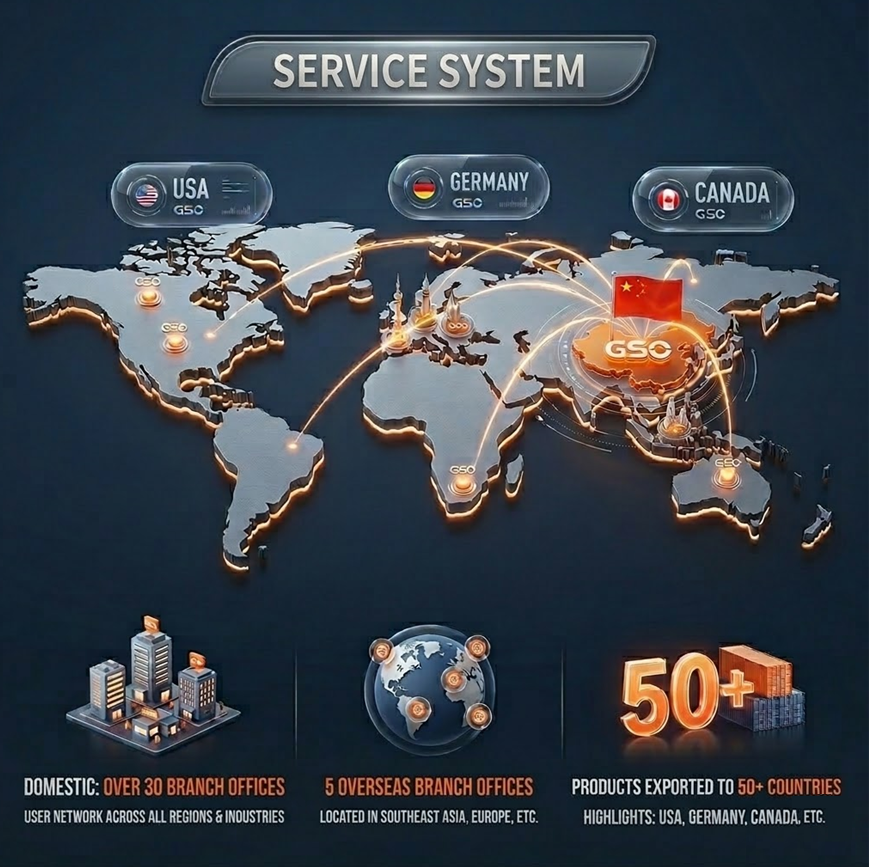
For many buyers, the practical endgame is a supplier who blends product quality with logistics competence. That’s where integrated solutions and experienced partners—those who handle UN testing, packaging, and documentation—make sourcing predictable and deliverable. gsopower understands that mix, and its approach often aligns product readiness with regulatory reality—helping projects finish on budget and on time. —