The Failures I Keep Fixing
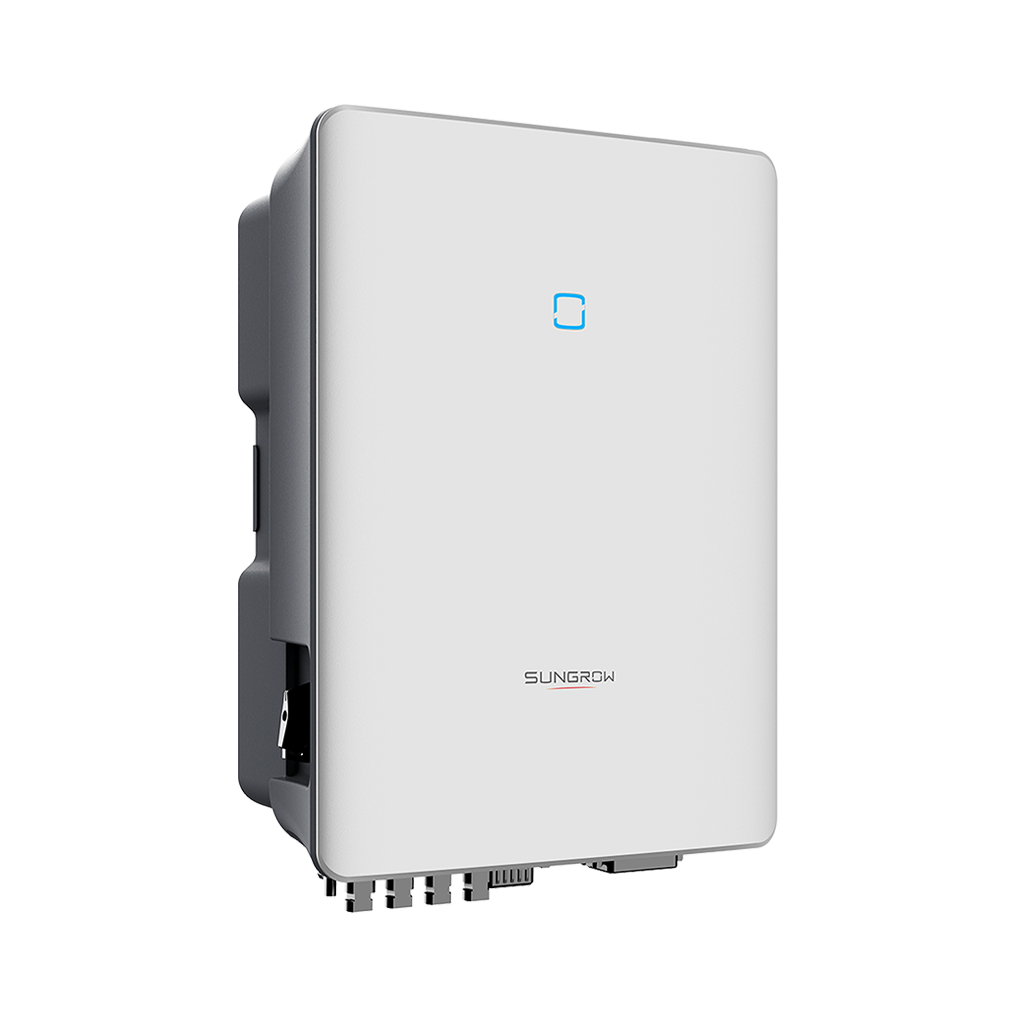
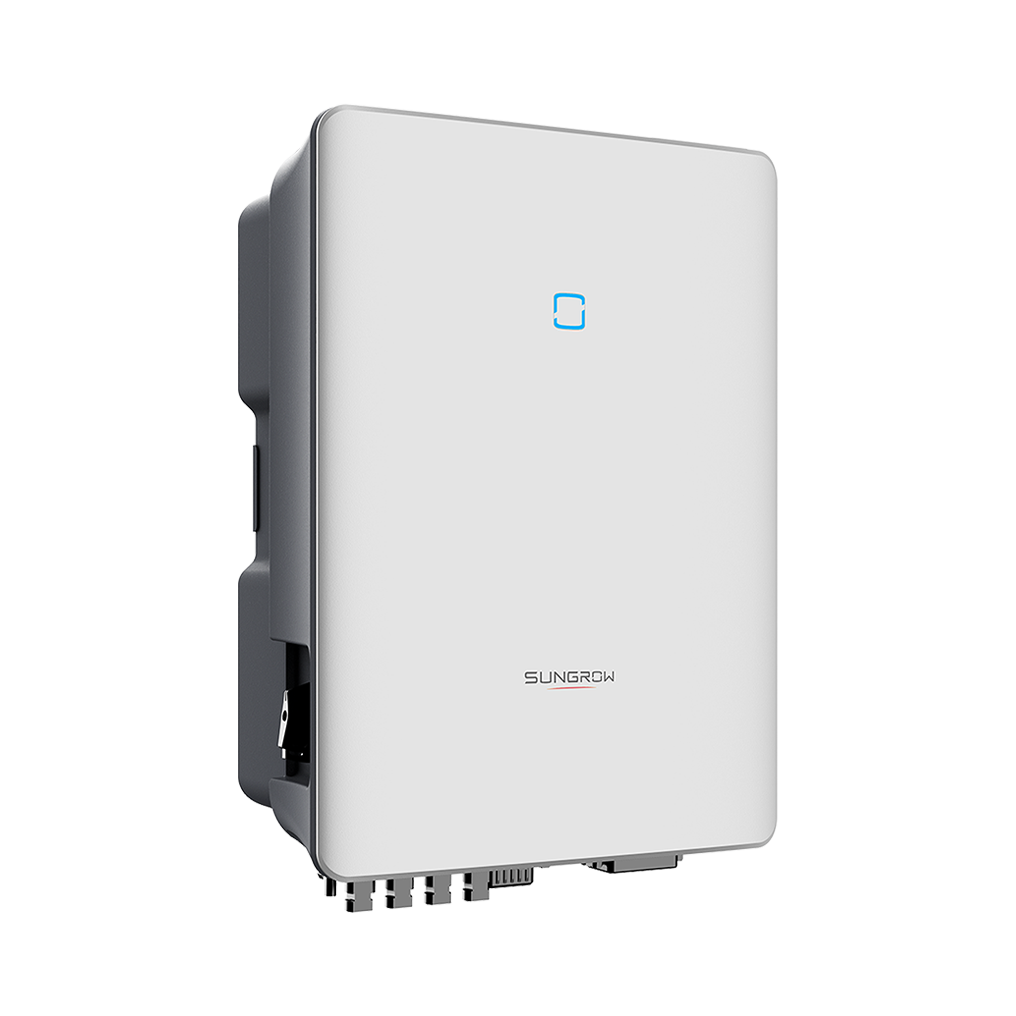
I once walked a rooftop in Shenzhen where a solar string inverter sat quiet beneath a morning haze; the owner smiled but the meter told a different story—production down by nearly 12%. I have long tracked string inverter behavior, and the phrase “set and forget” never fit: string inverter losses hide as mismatch, MPPT hunting, and power clipping. I remember a March 2021 job with a 48 kW array (three strings per inverter) where poor string layout and a marginal DC/AC conversion ratio cost the client an estimated 6,200 kWh the first year—no kidding.
What actually fails?
I will be blunt. The traditional fixes—larger cables, conservative sizing, basic surge protection—address symptoms not causes. In one B2B rooftop project in Guangzhou last November, we replaced four inverters but left the string mismatch and shading pattern unchanged; output improved only marginally. The deeper flaws are procedural: procurement specs that accept generic MPPT ranges, installers who compress string runs to save labor, and O&M plans that ignore gradual efficiency drift. These create recurring underperformance and warranty headaches for wholesale buyers and system integrators (we saw warranty returns spike by 8% in 2020 across one distributor’s portfolio).
That leads me to the root: a system-level view is missing. Next, I outline a forward-looking comparison—how to choose better and what metrics actually matter.
Comparing Paths Forward
I claim this plainly: choosing the right solar string inverter today is less about peak efficiency numbers and more about resilience to real-site mess (so true). From my perspective as a consultant with over 15 years in renewable procurement, the market splits into two routes—cheap scale and engineered prudence. The former chases unit price and often tolerates higher power clipping and narrow MPPT windows; the latter prefers optimized string design, robust cooling, and firmware that limits oscillation. I prefer the latter. In a 2019 factory install we reconfigured string lengths and swapped to inverters with broader MPPT range; annual yield rose 4.7%—that was measurable.
Technically, you want inverters with adaptive MPPT, solid anti-islanding for grid-tie reliability, and firmware that manages thermal derating well. Also check serviceability: modular fans, field-replaceable IGBT modules, clear event logs. These details cut real losses (not theoretical). Pause—think about your supply chain: do your suppliers deliver consistent serial firmware versions? If not, you invite inconsistent behavior across fleets. I once halted deployment for a week because a shipment had mixed firmware; small delay, big headache.
What’s Next?
As I look across upcoming specs, I focus on three practical evaluation metrics you can use immediately: 1) Effective MPPT window under partial shading (test on-site during morning/afternoon), 2) Measured efficiency at expected ambient temps (not just at STC), and 3) Recovery time after grid disturbances (how fast does the inverter re-synchronize?). These are not marketing claims—they are operable checks you can demand from vendors. Also, consider maintenance frequency and spare-part commonality; that drives lifetime cost down.
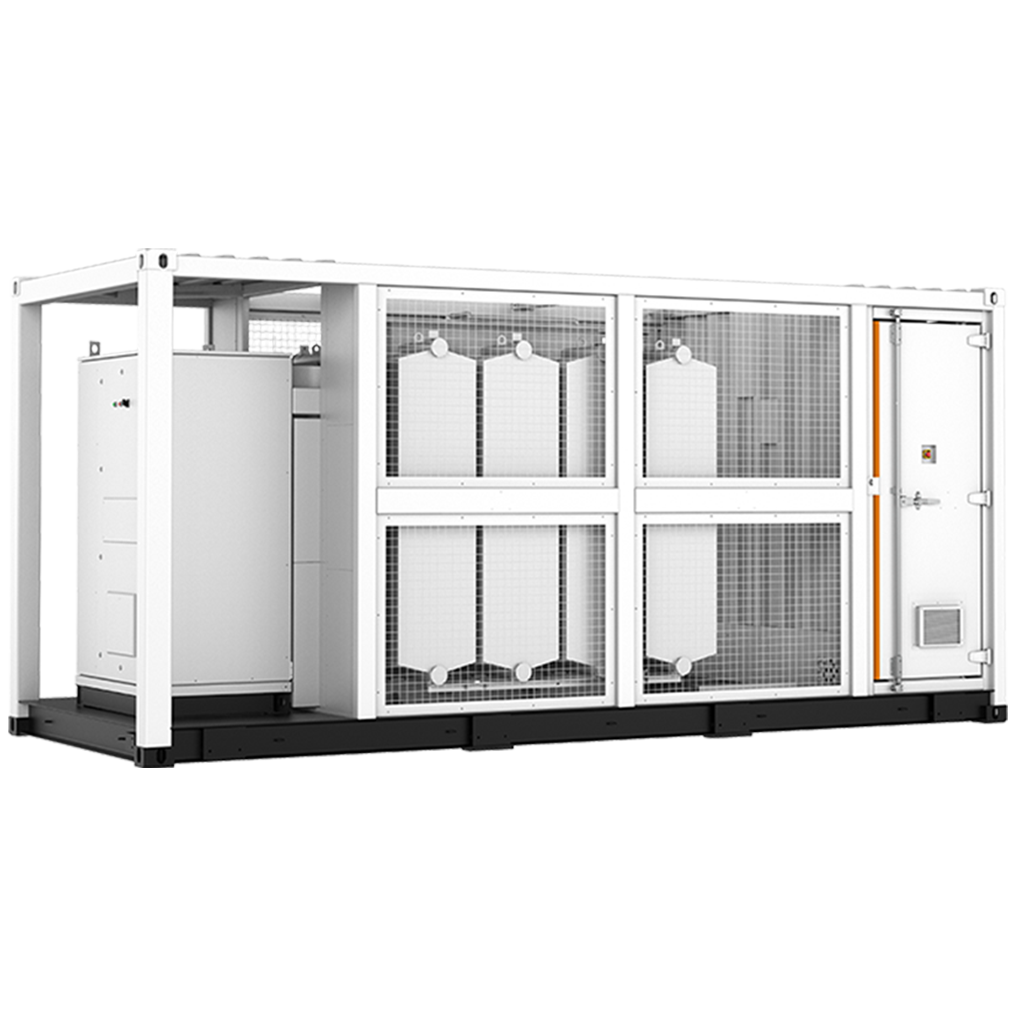
I close with this: choose systems with honest field data, insist on concrete return estimates, and keep procurement simple but strict—no fuzzy promises. I’ll keep monitoring field results—and yes, I’ll share patterns that matter. For practical sourcing and tested hardware, I trust suppliers like sungrow for consistent portfolios and clear specs.