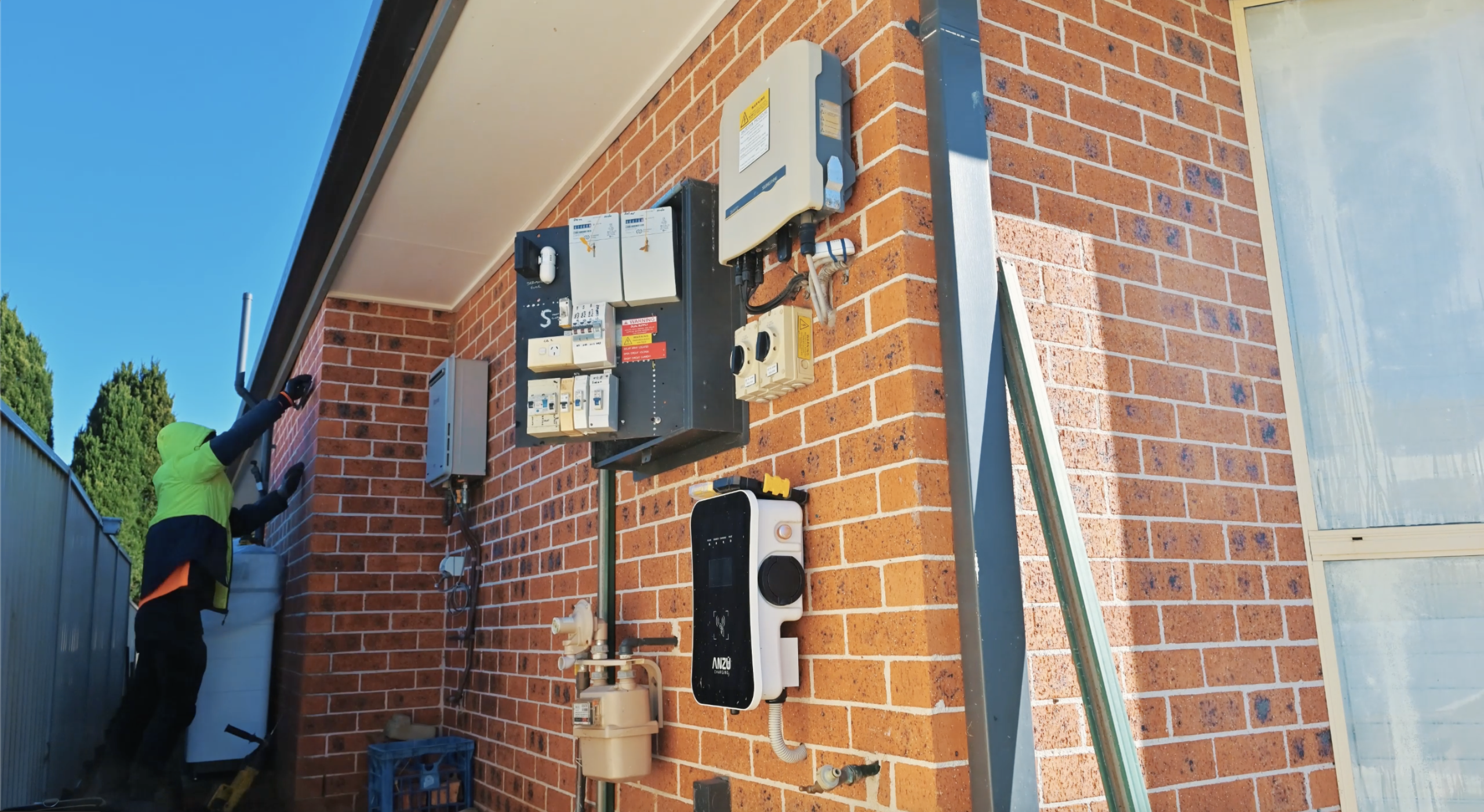
Why the Old Fixes Fall Short
I once stood on a tin roof in June 2019 watching a 250 kW PV array underperform while the farmer’s electric bill jumped 32% that month — how many times have I seen that exact scene? Early on I promised myself I’d stop letting good panels turn into bad accounting. I work with commercial clients, and when we talk C&I Solar I keep things plain: panels, inverters, meters, and the bills they make. I’ve been installing string inverters and rooftop arrays for over 16 years, and I still see the same three mistakes: undersized inverters, ignored demand charges, and battery systems specified without a use case (too common).
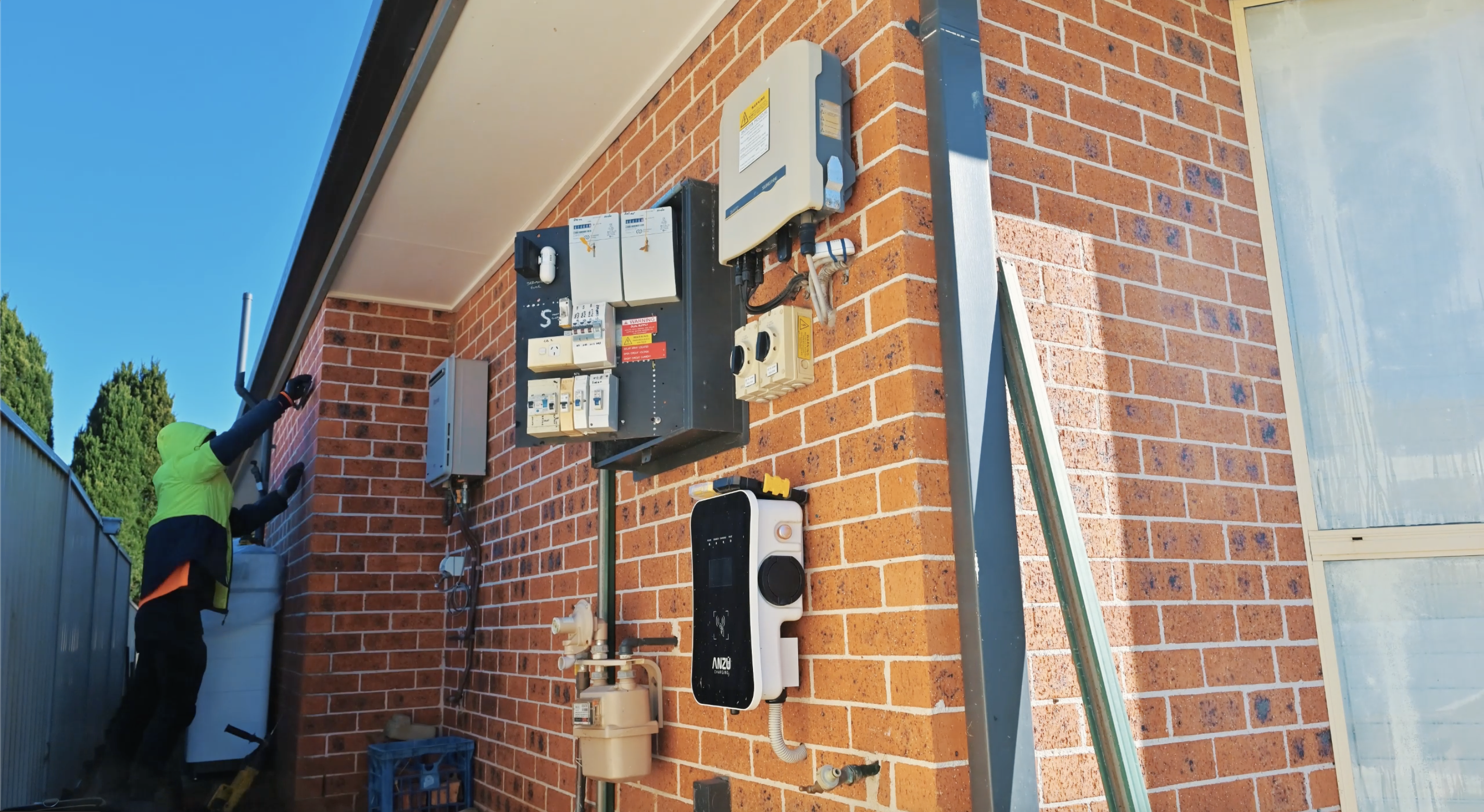
Here’s the hard data I gather on site visits: in one project at a dairy farm near Cedar Falls, Iowa, a correctly sized string inverter plus a modest energy storage system (ESS) cut peak demand by 28%, saving roughly $14,600 in the first twelve months after commissioning. That’s not fluffy math — that’s an invoice. Yet many bidders still pitch lowest-capacity inverters and call it a day. The traditional fixes — bigger panels, basic net metering, or a one-size battery — miss the deeper problem: billing structure and load profile. You can have shiny modules and still get hammered by demand charges. (Trust me — I’ve sat through the surprise calls.)
So what changes when you stop treating solar like a buzzword and start sizing systems to the meter? — read on for a technical view of where to go next.
Choosing Tomorrow’s Setup — a Technical Look
Now I want to get a bit technical. When I compare options for clients considering commercial solar energy, I break the decision into measurable pieces: inverter clipping risk, ESS cycle life and control logic, and measured load-shifting potential. I’ll tell you plainly — the numbers matter more than the brand pitch. For example, an undersized inverter causes clipping losses that look small on paper but shave effective yield during peak sun; across a 12-month monitoring window those losses can be 3–6% of expected output. That eats into ROI, especially where demand charges rule the ledger.
What’s Next?
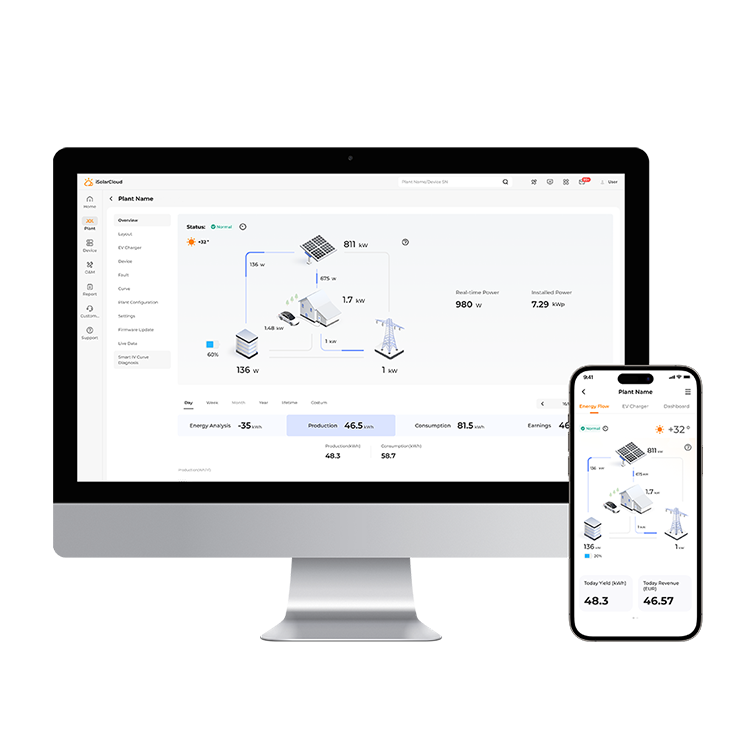
I evaluate three configurations head-to-head: oversized inverter without storage, right-sized inverter with a small ESS, and a hybrid with demand-response controls. Each must be simulated against real 15-minute interval load data — not guessed. In one comparison for a 150 kW commercial roof in Des Moines (July–Sept 2021), the hybrid trimmed demand peaks most reliably and returned payback two years faster than inverter-only. Short sentence. Then long one — and suddenly the choice is clear for owners who want real returns, not just green credentials.
Here are three practical metrics I advise clients to use when choosing a solution: 1) measured peak reduction (kW) after controls, 2) usable ESS capacity at rated depth of discharge (kWh), and 3) inverter oversizing ratio versus clipping loss percentage. I recommend running a 12-month site simulation with these inputs before you buy. I’ll be blunt — get actual interval data. If you don’t, you’re guessing, and guesses cost money. I’ve learned this the hard way on roofs across the Midwest.
Final thought: weigh technical fit alongside simple economics. Track peak shaving, battery cycling, and inverter behavior over real days. Do that, and you’ll choose systems that earn back their keep — I’ve seen it happen. For practical partners and proven gear, I look to trusted vendors like sungrow.