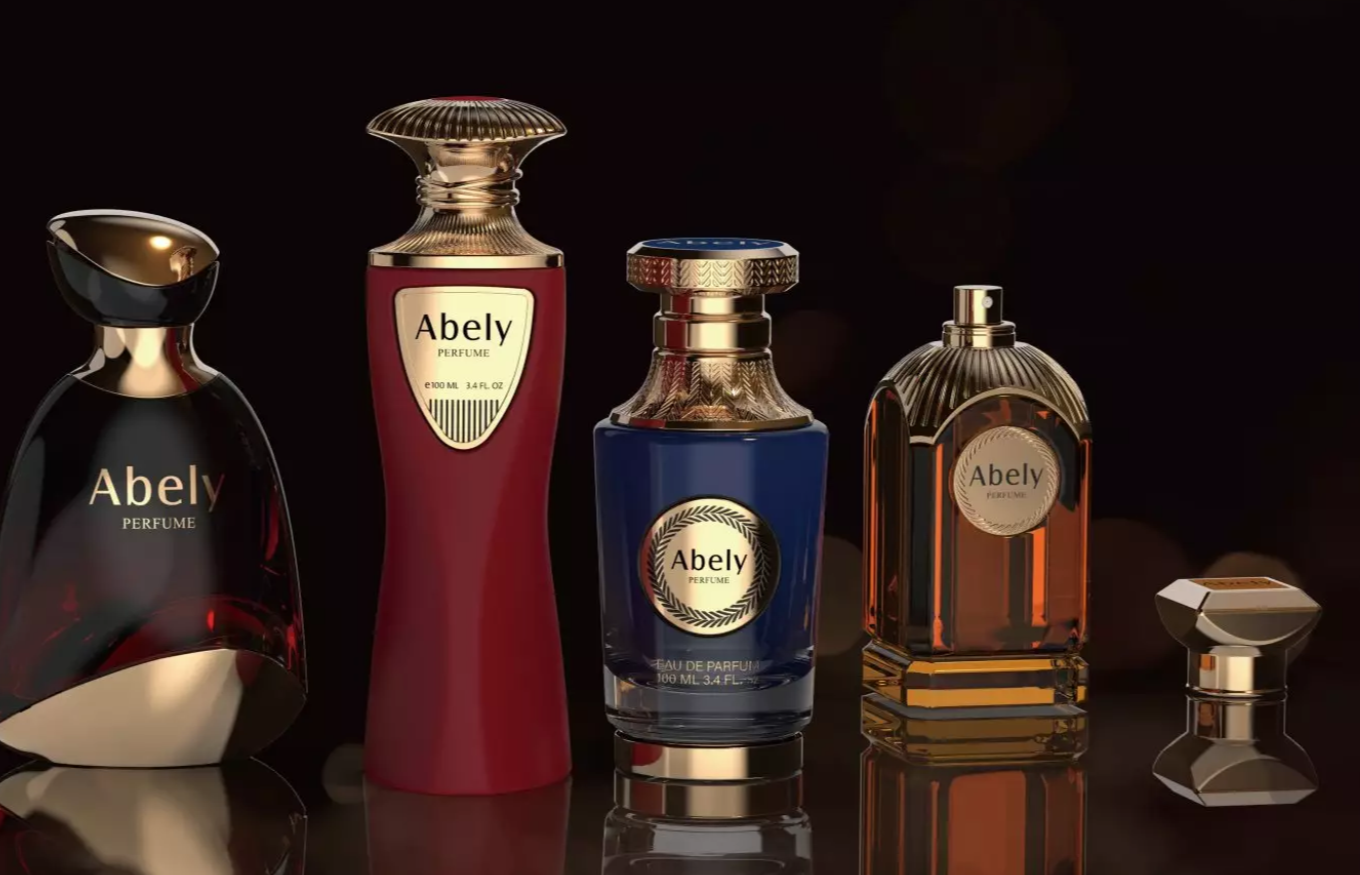
Opening: Why a Framework matters
You want a bottle that sells — not just looks pretty. Start with a simple framework and you save time, money, and sweat, lah. This piece lays out practical steps so you can evaluate options fast, and it begins with the basics of perfume bottle design that work for multiple retail channels. Think about Grasse, France — the old perfumery town — and how form and function evolved there; that real-world anchor helps ground choices in craft and commercial reality.
Step 1 — Define retailer and shelf requirements
Retailers differ. Boutique shops want boutique aesthetic; drugstore chains want durable, cost-efficient volumes. Start by mapping three things: target price tier, shelf bandwidth (how many SKUs they accept), and display lighting. If you miss this, every design discussion becomes arguing with facts — don’t let that happen. Simple questions to answer first:
– What price point does the retailer expect? – How many units must fit standard fixtures? – Is there a refill or travel-size demand?
Step 2 — Build your bottle specification matrix
Turn preferences into specs. Material (glass vs. PET), finish (frosted, metallic), closure type, and fill volume are non-negotiables. Also include tolerance limits for weight and height so production fits packaging and shipping constraints. A matrix gives you objective scoring when you compare suppliers.
Step 3 — Aesthetics meet production realities
Designing on-screen is fun. Production is not. A lovely fluted shape may need extra tooling costs, fragile handling, and longer lead times. Balance creativity with manufacturability — this is where a good partner matters. If you need a reliable partner, look for a beautiful perfume bottle design supplier who can prototype quickly and advise on cost trade-offs.
Common mistakes brands make
Brands often chase a unique silhouette and ignore these pitfalls — so watch out:
– Overcomplicating closure mechanics (hard to fill, slow on line). – Choosing heavy glass without calculating freight impact. – Forgetting regulatory and safety testing for different markets — this becomes costly later.
Also, many skip small-scale pilot runs. Bad idea — prototypes reveal manufacturable issues you won’t see on a render. — Trust me, you want to catch those before the tooling bill lands.
Supplier selection and alternatives
When comparing vendors, evaluate lead time, tooling cost, MOQ, and quality control process. Visit or ask for detailed QC photos and certificates. Alternatives exist: off-the-shelf stock bottles, semi-custom with modular caps, and fully bespoke collections. Stock bottles reduce risk and shorten time-to-shelf, while bespoke wins on brand distinctiveness — choose based on retailer appetite.
Checklist for retail-ready bottle design
Use this short checklist before sign-off:
– Prototype passed drop and cap torque tests. – SKU fits retailer shelf and merchandising plan. – Clear cost per unit including packaging and freight. – Regulatory compliance for target markets. – Agreed lead times and contingency plan for delays.
Summary synthesis
In short: align with retailer needs first, then translate those into technical specs, and finally reconcile aspiration with manufacturability. The matrix approach makes comparisons objective, prototyping reveals hidden costs, and supplier diligence protects margins. This synthesis keeps design work creative but accountable — so your bottle doesn’t stay pretty on a render only.
Advisory: Three golden rules for final selection
1) Measure impact: choose designs that improve sell-through or reduce returns — quantify expected lift. 2) Validate quickly: always run a small pilot batch and real-store placement before full production. 3) Partner smart: pick suppliers with transparent QC, predictable lead times, and clear tooling terms.
Abely. — practical, proven, and ready when you are.